Technology And I


What technology would you be better off without, why?

In today’s age, it will be foolish to shy away from technology. Though I have seen many who pretend not to understand or be comfortable with it. I really wonder why. It does make things easy.

I happened to work almost four decades in a system based Organisation. However, a few of my colleagues feigned ignorance when it came to working on apps and systems developed in-house.

Having said that I am also a hands-on person and like to work with technology as much as with my own two hands. For example, inspite of  having a chopper  I mostly cut vegetables with knife. I have a blender but I very infrequently use purees while cooking. 

At the same time I do not do away with old technology very fast. I still preserve a Digital Diary, a Calculator, a number of old cameras. (Very recently I got rid of a Walkman). I still calculate orally or use a pen and paper for minor  calculations though a calculator is handy and readily available in smartphone. To be honest I take to the latest in slow paces feeling my way around in all earnestness.

Less knowledge is always scary. I am scared of AI and its all pervasive presence. Mostly because I have not learnt about it yet. Notwithstanding, anything that alienates humans from their innate aptitudes and make them powerless is not good. Of course, with knowledge all instruments and machines can be used intelligently. They are tools, right? Not masters.

One of my colleagues happened to follow someone on FB who influenced her to do some weird kind of meditation. According to this colleague of mine, practising that meditation disturbed her more. Finally she gave up on meditation and also cancelled her FB account.

Social networking is part of modern day technology of keeping connected. But it is for us to see who we are connecting with. Having huge “friend” base should not be the motto. It is more important to figure out who we are friendly with. With all the fakery that goes along with it I believe one should only connect and interact on social networking sites with people who we know physically or those who  are part of our interest group(s). Nonetheless, It is also to be mentioned  that I have unexpectedly received a lot of help and encouragement from my online/virtual friends and co-bloggers whom I have never met but yes a few I have spoken to over phone or made contact over e mail. That way I have been very lucky.

Being conversant with the latest technology is a manifestation of our adaptability in times where change is the only constant. We cannot shirk off the latest information and mechanism just because it is new or complex or does not adhere to our personal definition of living right. How long can we avoid looking in front ? How long can we keep walking forward with our head backwards?

I really, really repent my inability to drive for various reasons. If I could I would have been much less inconvenienced and dependent on others. Its my pledge of the year to file  the next Income Tax Return  on my own. To get to know more about AIs – it’s appropriate usages, associated myths and navigable  downsides – is also in my agenda. In short, I wish to overcome the  glitches which make me less techno savvy.

Doing away with technology is a bad idea. But again technology needs to be user friendly and  harmless to environment and society. Everything has its advantages and disadvantages. There are those who will use technology right and those who will compromise it for their personal benefits, needless to say, by fooling the majority.

We have to be cautious and careful. I blocked two Insta followers who liked my every post but had their profiles locked. I avoid users who try to be over friendly or inquisitive. I am not super active on such sites. I just browse them off and on to remain in touch with the latest. I am curious about what’s available online but shop rarely. I do not venture into sites I am not confident about. I seek advice from those who are  more knowledgeable before parting with personal details online.

And that’s my latest with technology.

There are many for whom technology is just  being upmarket.

For me it’s optimising survival.

Yeah ! You heard me right ….

Pic from Pexel
Deepawali – Festival Of Lights


In this part of the world every month has its own charm and beauty. January is cold , foggy and sometimes rainy which again adds to the cold. By February the sky gradually clears up but the chill continues. March is spring time. Nature blooms up and the breeze is pleasantly soothing. By April, summer knocks at the door. May and June blaze while July sees the onset of Monsoons. It’s muggy and sweaty.

This year we had an extended wet season which continued till September. August is the harbinger of festivities. It’s autumn. The festive season continues till beginning of November. As per lunar calendar, the tithi or dates of the festival vary from year to year. November, unfortunately, also sees the escalation of pollution and smog which are the main reasons for many health issues.

During and post COVID restrictions were imposed on burning crackers on Diwali or Deepawali – the Festival of Lights. Diwali commemorates the day when Lord Rama returned to  Ayodhya ( Capital city) completing fourteen years of Vanavaasa or staying as a hermit in the forests renouncing  luxuries and pleasures of life befitting scion of the royal family.

Rama was the eldest son of King Dasharatha who ruled Kosala. Dasharatha had three wives. Kaikayee, one of his wives, once saved the king’s life. In return, Dasharatha  promised to grant her a boon. Kaikayee said that she would take it when the time comes. When Rama was to be enthroned as the the king of Ayodhya being the eldest son, Kaikayee cunningly reminded Dasharatha of her pending boon. The just king generously agreed and asked her to name her wish. Kaikayee told him to dethrone Rama, send him to fourteen years of Vanavaasa and make her son, Bharatha the king. The king could not go back on his words and conveyed the queen’s wish to Rama. Rama, being an obedient son, agreed to abide by his father’s command and proceed for a life in the forests. His wife Sita and  younger brother, Lakshmana, willingly accompanied him. The King was heart broken. So were the subjects who loved Rama.

Bharatha was also not happy with his mother’s cunningness. He followed Rama but Rama told him to go back and perform his kingly duties. Bharatha was full of remorse and assented to be only the caretaker governor till Rama’s return to his kingdom. Rama’s life in the forests was fraught with hardships, more so, when Sita was kidnapped by the demon king, Raavana. To save Sita, Rama had to fight the epic battle of Lanka with Raavana, aided by the vaanarsena or the monkey headed soldiers led by the devout Shri Hanuman. Finally, the victorious Rama returned to his kingdom with his wife and brother.

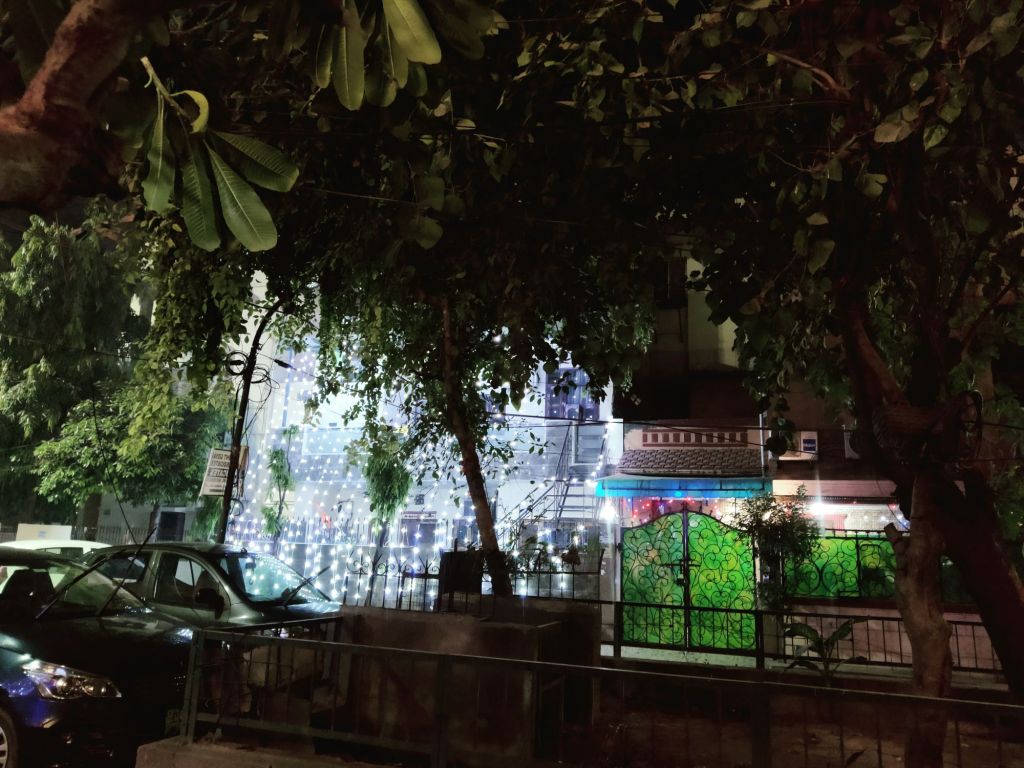
The people of Ayodhya were ecstatic. The city  lit up with thousands of lights. Every household was decorated with earthen diyas or lights and flowers. It seemed as though night had turned into day. The residents of Ayodhya were so happy to get back their king, Rama. This is the story of the epic Ramayana in very brief.

How the Festival of Lights has become Festival of crackers I don’t know. Most probably, the ancient people celebrated with fireworks which, as time passed, degenerated into noisy crackers abetting pollution and harming the environment. This year, people blatantly flouted Government’s Order and burned crackers in the name of religious celebration as a result of which the AQI or Air Quality Index shot up astronomically. Delhi became like a poisonous gas chamber wherein breathing itself was hazardous.

As  Diwali evening grew brighter and louder the street dogs had a terrible time running  here and there petrified looking for a shelter away from ear shattering cracker bursts. Our next door neighbour, oblivious to what havoc he was bringing about, kept on burning crackers one after the other way into the middle of the night. It grew noisier and noisier. Since, Rinky is not keeping good health, I could only bring in Kali who is vaccinated and remains inside mostly. The others I had to leave to God’s mercy. How helpless I felt I cannot explain.

My mother who is critically ill has to sleep at night with the Air Purifier on. We cannot open the windows as she immediately starts coughing. A loud celebration is so disturbing for households with patients who need peaceful rest  as the day wears on.

In our country every celebration is exotic, expensive and at times encroaches on public safety, comfort and health. Many tourists love the lavish spectacles of a Holi or Diwali. They visit India just to experience the fun and frolic. I have dreaded both the festivals since childhood – Diwali for fear of fire and Holi because of the hooliganism. Religious festivals should be celebrated in an organized manner without creating nuisance for society and environment.

Next day morning, luckily the wind suddenly caught up speed and blew away some of the smog and we were somewhat saved from choking to death.

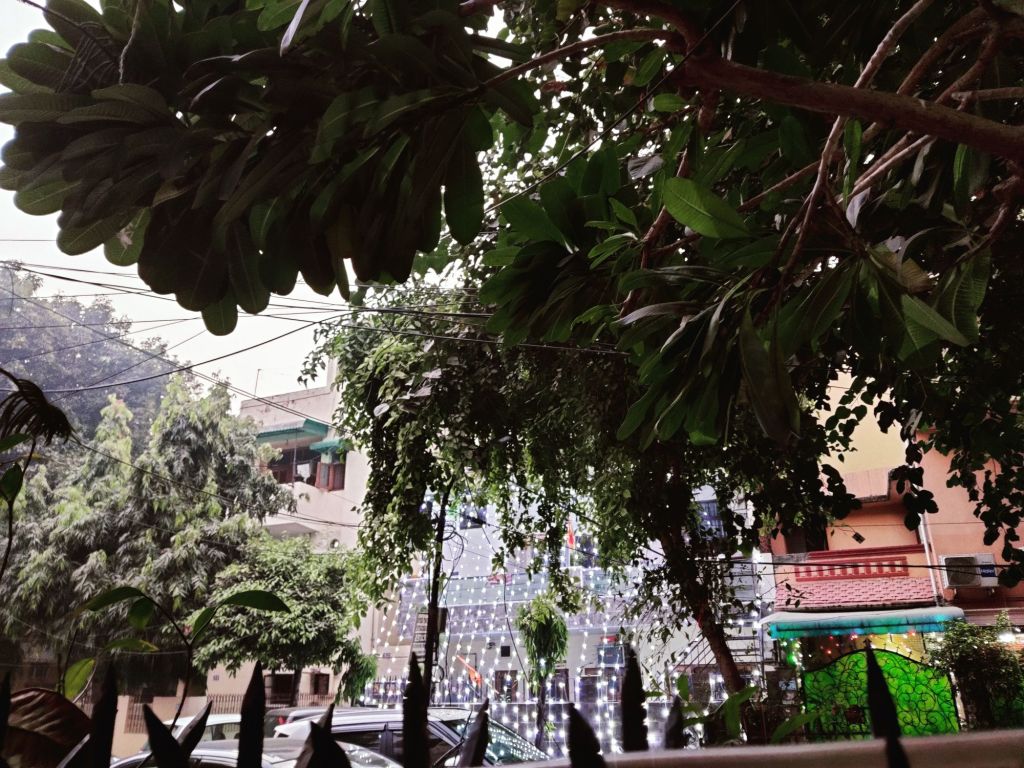
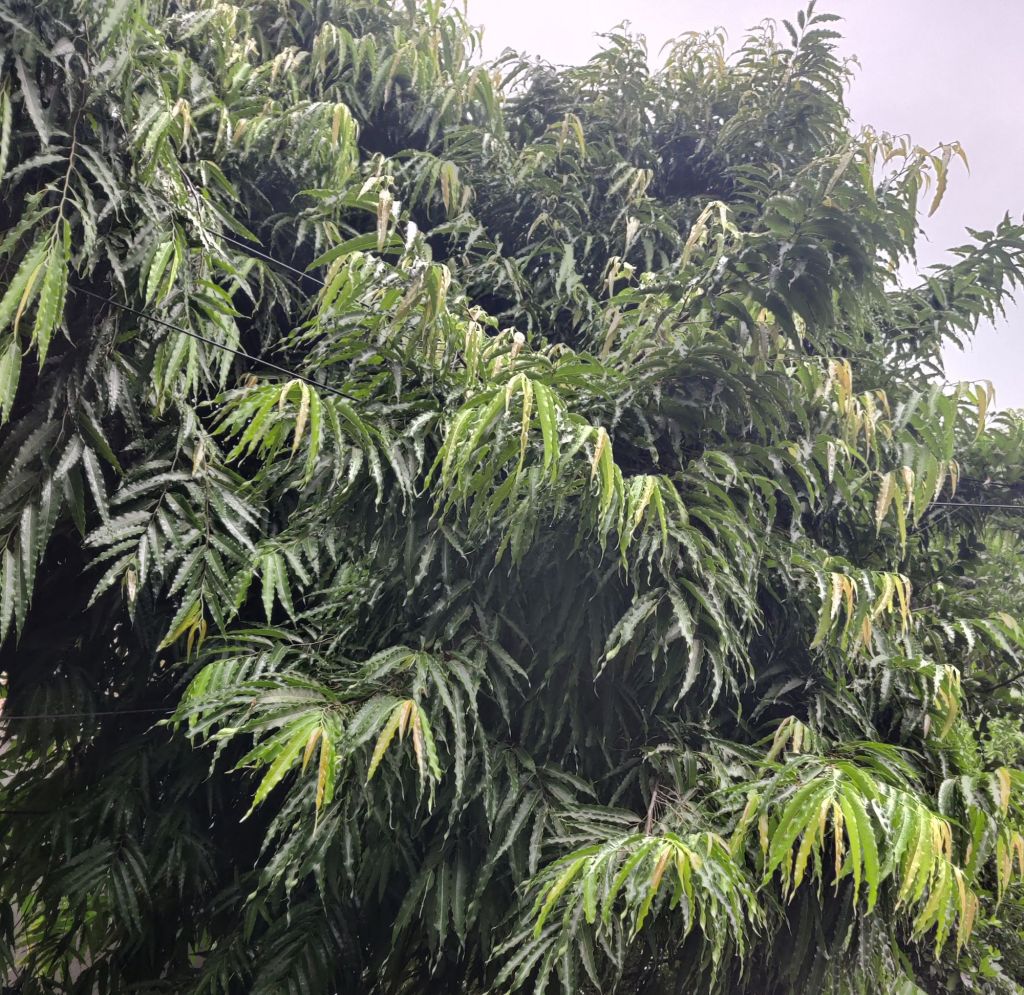
Early morning looked like this

So much so for celebration.

Coming December it will get colder and with Christmas and New Year eve the season of festivals will come to an end.

I will end this post with a prayer that humans will come to their senses and respect and preserve Nature and it’s bounties for a healthier and more habitable future.

Melancholic Mystery


After watching the movie Jaane Jaan  I was eager to understand the concept of loyalty in Japanese culture. How best to do so but to pick up the book on which the film is based.

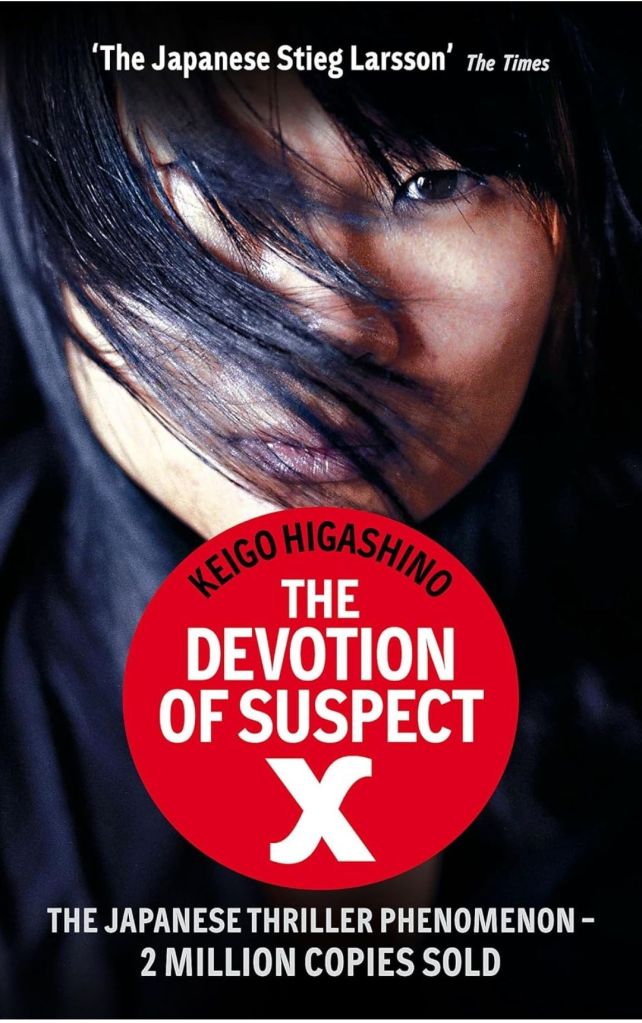
The Devotion Of Suspect X by Keigo Higashino challenges the very edifice of a crime thriller. Readers know who commits the murder and how. The actual killers have “imperfect alibi” which  the investigating officers are hard put to prove as flimsy. The one who confesses to be the killer is nowhere near the radar of suspicion. It’s a war of wit between two geniuses. The one who knows the truth is pained to accept it. The one who is creating the myth of a truth is happy to give up his life for the one whom he silently adores. Do we call it a whodunnit ?

Those who have not seen the movie or read the book a brief on the narrative.

Yasuko Hanaoka is a middle aged, twice divorced mother living an uneventful life with her growing daughter, Misato. She works in Benten-tei, a shop known for its lunch boxes. One fateful day, her former husband, Shinji Togashi, a troublesome character, pays her a visit at the shop. He coaxes her to come back in his life as he is a changed man now. Yasuko is not convinced. Togashi follows her to her apartment threatening to not leave the mother and daughter in peace if they do not bow down to his wish. In panic Yasuko, aided by Misato, kills Togashi. But how to dispose off the body?

In comes Ishigami, a genius mathematician and Yasuko’s  next door neighbour. He takes it upon himself not only to take care of the corpse but also assist Yasuko and Misato to avoid getting caught. He tutors them how to handle the cops, how to reply to their questioning and also sets up their alibi.

By and by the police comes knocking at Yasuko’s door. Investigation follows. The investigating officers, Kusanagi and his assistant, Kishitani, take the help of another genius physicist, Dr. Manabu Yukawa, to solve the case of the mysterious disappearance of Togashi now presumably dead.

Yukawa happens to be Ishigami’s college mate. In the course of investigation they meet after a long time. Yukawa is happy to see Ishigami who has not changed a bit. However, Yukawa is surprised to find that Ishigami is teaching in a nearby school whereas given his talent he should have been a University research scholar. Ishigami, on the other hand, is hesitant before Yukawa as he comes to know that Yukawa is friends with Detective Kusanagi and has developed a knack of  helping the Police Department in solving complicated crimes. 

The story, rather a cat and mouse game,  revolves round Ishigami, Yasuko, Yukawa and Kusanagi till Ishigami confesses to be the killer. Kusanagi is not sure whether to believe his story. Yukawa guesses the truth that Ishigami is making a supreme sacrifice to save Yasuko. What can he do to turn the table so that Ishigami can be stopped from this madness of  giving up on life. He takes the ultimate step, whether for better or worse, only time will tell.

Had I not been familiar with the ancient Japanese art form of haiku, I would have considered this thriller a half hearted novel. Keigo Higashino shows but does not tell – same  as in the craft of haiku where much is left unsaid and open to reader’s imagination and interpretation.

As a reader, I assume :

Yasuko wants a peaceful life way removed from her past prime spent working in a hostess bar.

She is devoted to her daughter and like every mother will do anything to save her from evil.

Togashi has been a worthless, violent, exploitative husband before and even after divorce.

Ishigami is deeply in love with Yasuko knowing very well that his feelings will always be one sided.

He knows he has nothing in his favour which can earn him Yasuko’s affection.

He, therefore, takes up the role of a self appointed guardian to safeguard the one whom he loves to the point of devotion and his daughter whom he cares for merely because both give him a purpose to live.

Yasuko is grateful to Ishigami for what he has done for them. But he is just a fall back guy for her.

Perhaps she even takes him for granted knowing very well that she and her daughter are safe and secure under his tutelage.

Yukawa has an unquestionable admiration and unwavering loyalty towards his friend, Ishigami.

At the same time, he has a sense of accountability towards Kusanagi which heightens his dilemma.

He is pained at every step as the truth is revealed to him in the course of his deduction.

Perhaps he is partial towards Ishigami yet his righteousness prevents him from doing anything drastic or unjust.

When I look up to the characters :

I do not understand Yasuko.

Is she so cold hearted that she just does not think beyond survival ?

Her faith in Ishigami is irreproachable. She follows his instructions unquestioningly. Yet she does not falter or feel remorse when Ishigami surrenders to the police. Why?

Misato is left in the background. A girl in her formative years with an impressionable mind going through a nightmarish experience of killing her step father even if in the heat of the moment. What’s going on in her mind ? We don’t know till she is found bleeding by her teacher with scratch marks on her wrist. Does she survive ?

Ishigami, the focal point of the novel, is  silence personified. He is expressionless fearing he will give away what he is guarding fiercely. At the same time, he stalks Yasuko when she is on a date. Is he jealous? Or  is he unusually worried about her safety?

Yukawa’s loneliness is melancholic. He does not have a life beyond his laboratory. Perhaps he craves for Ishigami’s company – conjugal of two cerebral geniuses. But Ishigami’s reticence is unwelcoming. There is an undercurrent of insecurity and mistrust. Yukawa steps back. How alone he is !

Kusanagi earns Yukawa’s wrath. Why? Is it because he is pushing him further towards a detestable truth? His hands are tied. He has to deal with facts howsoever incredulous they may be.

In comparison to the book:

The cinematic adaptation (Jaane Jaan) caters to Indian sensibilities.

The storyline is unambiguous, firm and grim, not to say gripping and pivots around an “almost” love triangle. The characters are lesser in number and well sketched. Performances are undoubtedly outstanding as I have said before.

Kudos to Sujoy Ghosh, the Director, who has culled out the flesh of a narrative from a book which perpetuates and thrives on  the grey mysticism inane to unrequited love, uncalled for devotion and stubborn loyalty.

Having said that criminalization of a beautiful mind blinded by love is also a horrifying reality which is craftily kept understated but indisputably and starkly  weaved into the tale. How far is it justified it’s for the readers to decide.

The end comes abruptly like an astutely presented hypothesis backed by an  indubitable theorem gone awry. The mathematician’s infallible logicality is refuted by the unpredictability of  human frailty. As though divine intervention getting negated by an undetected, unthought of , overlooked miscalculation. The aftermath? Again left to reader’s imagination.

I have a personal hitch towards drawing parallel between Western and Asian authors. This comparison with Stieg Larsson ? Why? Can’t Asian authors have a standalone status ? On what grounds the benchmarking is made ? Is there a level playing field? I have not read Larsson. I don’t know. But comparisons, to me, are in general simply not done.

It appears, apart from Hindi, the book has been cinematically adapted in other languages as well – Chinese, Japanese, South Korean and Tamil. The book has received numerous awards and is regarded as the author’s best creation. However, this highly acclaimed novel is not an easy read.

Those interested may give it a try.

Movies, based on the book, are also available on Netflix.

I am unable to decide whether I should read more of  Keigo Higashino. There is an X factor undoubtedly in his writing. But I suspect I have gone beyond gore and grime.

How about that ?

First And Last Impression


What’s the first impression you want to give people?

I believe first impression is the last impression. Practically speaking, first impression always lasts longer. Perhaps that is why the emphasis on making a lasting first impression.

I like people who come across as honest, faithful, transparent, reliable and cool headed. Likewise I too want to come across as a noble, righteous, no-nonsense, sensible and cultured individual. Tall order ?

Out of all the qualities cited above, cool headedness is not one of my strong points. Ideally speaking a combination of all the virtues is the best but rarest to find. I also hate bragging and easily jell with earthiness.

Needless to say, I do not try very hard to acquire these vibes. A few are genetically embedded in me. A reasonably balanced mind is the one I am still trying to attain. I often get carried away and overdo my part.

I am told sincerity is my strongest element. I personally feel it has boomeranged quite often. Overplay of any one good or bad character is not desirable. It can be exploited as weakness. In today’s world kindness is taken as foolishness. A principled person is considered impractical because he or she is inflexible. A person driven by ideals as incompatible.

Moral of the story is even if one’s personality may have more than one  sparkling features yet the impression it creates is primarily dependent on the interactors’ perceptions and intentions. A virtuous person can also be taken advantage of easily though it may seem  a very pessimistic view.

Again, it’s important to let know how far you can endure the one you are impressing upon. I like  meaningful conversation. I like thoughtful behaviour. I like to appeal to a person’s rationale. I strongly believe one should be sensitive towards fellow humans and the environment. If my expectations are high I should also not fall short of other’ s expectations.

But again can I really transmit positive vibes if these are not innate in me ? Falseness and fakery cannot be disguised for long. You cannot pretend to be knowledgeable if you are not well versed. Biases and narrow mindedness are like cobwebs. If you do not dust them out they shine under light.

While on the subject, it is pertinent to underscore that making an impression is subjective and situational. If I am appearing for a job interview I would like my interviewer to be convinced of my competencies, potentials and  special aptitudes befitting a performance and result oriented career progression. While the employer must find me worthy I as an employee should also be confident that  an atmosphere conducive to healthy work culture will be made available to me.

In a public gathering a presentable personality carries weight who is able to mingle in the crowd yet at the same time stand out strong and remarkable. Amidst society of friends an amiable persona is liked the most who is attentive and charming.

Amongst elders an obedient and respectful demeanour is appreciated. In a public forum a firm and articulate voice is required. In community program leadership and skilful mentoring may help more.

In short, making an impression is as per the specific requirement of  time and place. It is impossible to manifest all the requisite characteristics as needed. Personally speaking, l have got along well with people with tolerable imperfections. I have been cautious of them and they of me. And that is how we have been able to achieve Aristotle’s Golden Mean without being repentant and regretful. That is how I suppose it works for everyone.

What say you ????

Read Reread And Ruminating


What book are you reading right now?

I will give a slightly different reply to this prompt.

At the moment, I am absorbing what I have just finished reading a few days back.

I feel one must sit back and think about what one has finished reading in order to fully assimilate what one has read.

Jumping from one read to the other does not work for me though a number of books are lying in queue in my study.

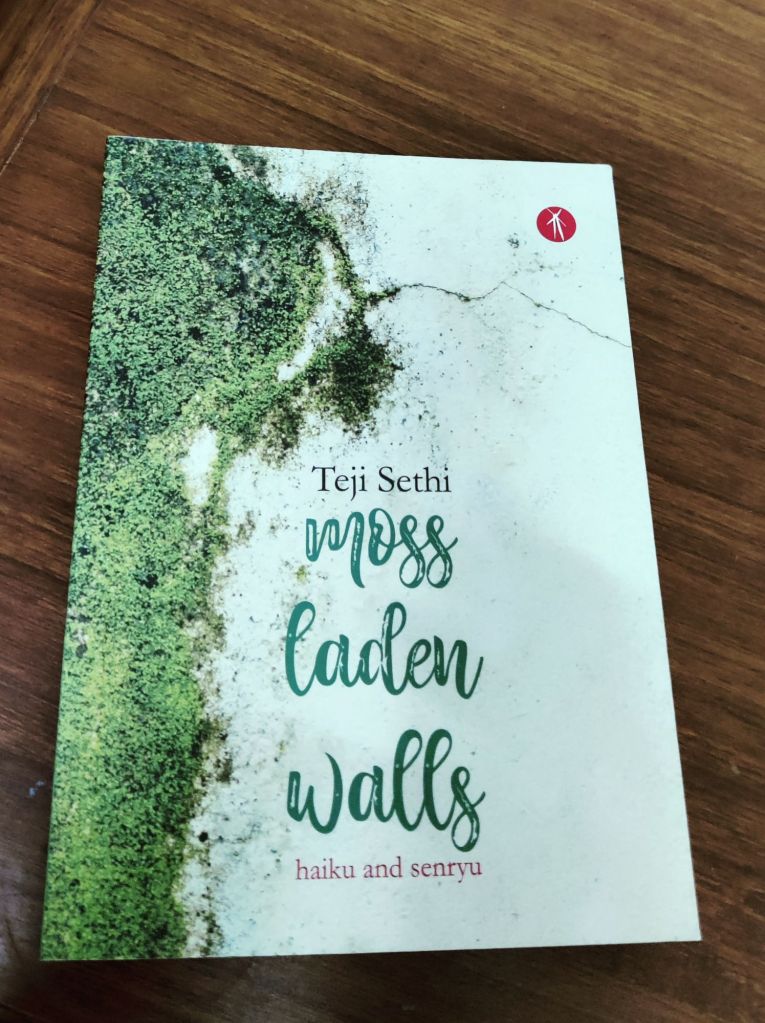
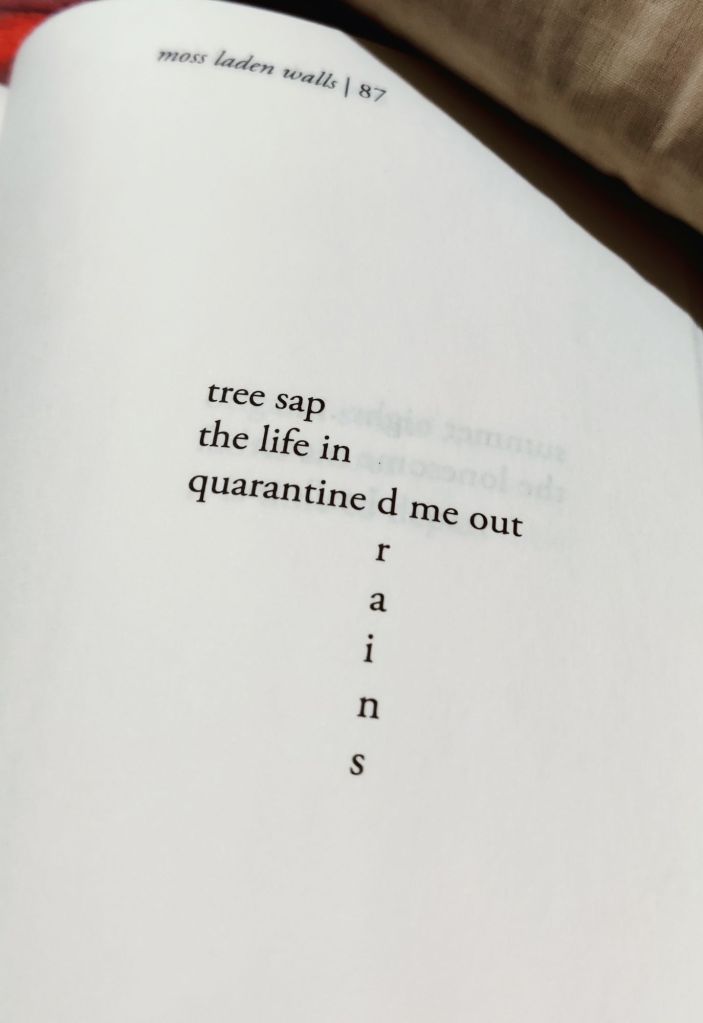
As is evident from above this book is a beautiful anthology of haiku and senryu. Haiku, as I have often written before, is a four hundred years old ancient Japanese art form of writing poetry with minimum words. That is why they are also called wordless poems. Haiku is nature based while senryu is emotion based.

This is a book which I wished to read for a very long time but somehow couldn’t make time. Recently, I wrote on Teji’s  FB page that I was still longing to read her work. Reason? I just like the way she emotes through her poetry.

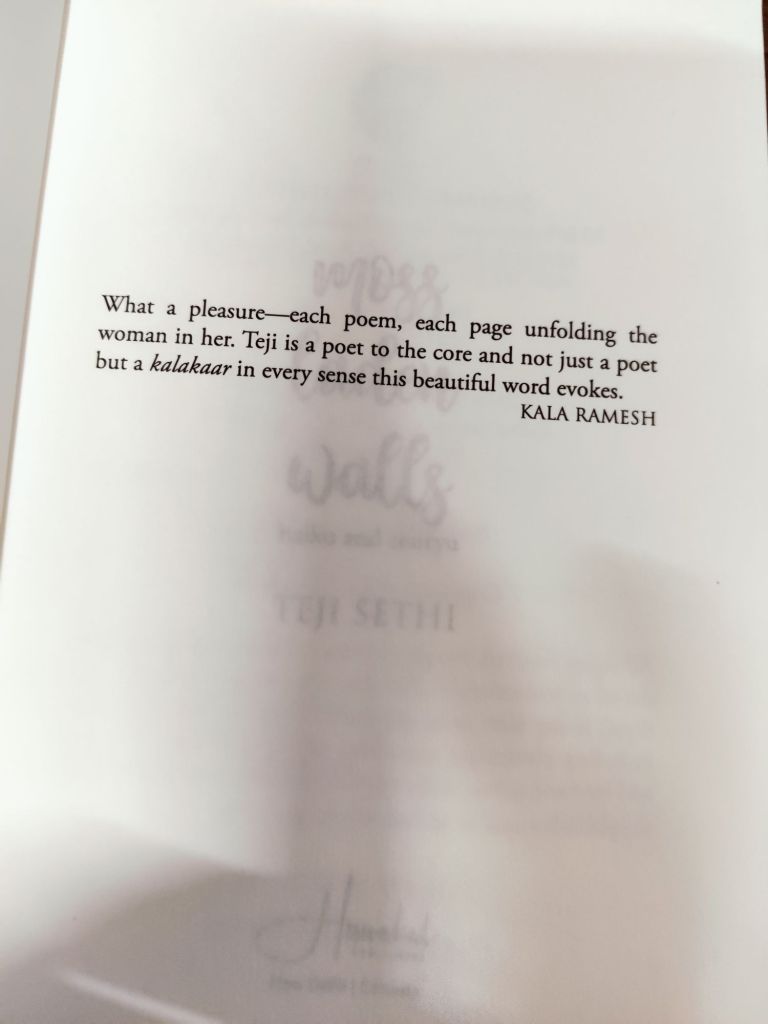
Teji Sethi is a kalaakaar (artist) in the truest sense of the term as our haiku mentor, the world renowned haikuist,  Kala Ramesh writes in the introduction of the book. Her aesthetics spill into her poetry with tender wistfulness.

Teji speaks of her journey through life with touching poignance. The title of the book itself signifies the diffusion of experiences into our being which makes and breaks us

moss laden walls

           her fingers trace

remnants of the past

Haiku thrives on uniquely expressing the emotional evolution of the poet

swinging door

I learn

        to unlearn

We derive essences of living not only from other human beings but also from the environment

backspace

writing one more time

my story

Teji’s exceptionally fine tuned perception is achingly palpable in every line

cold moon…

noone sees beyond

the skin colour

The most immersive quality of haiku is that it makes you ruminative.

With age, I guess, the interpretation of nuances and subtlety of these minimalist poems grow exponentially for a reader. That is why these can be read and re-read. And each reading experience will be different from the earlier.

Teji brings forth a deep sense of aloneness amidst the humdrum of life. She talks of isolation in alien surroundings. This is the space of quietude which fills her up with abundance.

line of control

my identity

in halves

Being estranged from one’s roots is the most haunting trauma of those who have lived this agony. In Teji’s haiku the unfulfillable vacuum perhaps rises from the consciousness of being the other one in a land ravaged by partition.

unmapped road

I wait for myself

on the other side

The book ends with a few equally beautiful haibuns and tanka prose. Haibuns are proses written in haikai language prefixed, suffixed or  intercepted by haiku or senryu. Tanka is a combination of haiku and senryu longer in construct – four or five liners – linked to a haikai prose. The ‘ahaa’ inducing  shift and link technique of haiku and senryu are also applicable to haikai prose. Haikai language is marked by simplicity of expression as decluttering is one of the reigning highlights of these gently flowing passages.

As is obvious, Teji Sethi’s moss laden walls is a highly recommended read published by Hawakal Publishers and  available on Amazon.

I have taken the liberty of quoting a few of her haiku and senryu in this post just to give a glimpse of Teji’s creativity.

Three Years Hence


What will your life be like in three years?

I will be older

My joints stiffer

My brain ?

Will it be fuzzier ?

They call it wiser

I guess these wrinkles

Will be more pronounced

I prefer to call them laughter lines

Do you care by what name

I am known three years hence

“The old lady who lived there…”

I will let it pass

Perhaps I will become immune to what they say

What concerns me is whether

I shall keep knocking on all  closed doors

Pound rather …. Till they open

Will I be happier?

Saner?

With a dash of cynicism here and there?

Will I look back more ?

Or be comfortable in the moment?

Restful with my memories ?

The mirror stares back

Light plays tricks

Nonetheless I wish to be lighter

Lighter still…lighter more and more

And be ready for the path ahead

As the caravan trundles on…

Inventing A Holiday


Invent a holiday! Explain how and why everyone should celebrate.

Post retirement everyday is a holiday. So, thank God, I don’t have to invent one. However, it was not so a few months ago when I felt like a fish out of water with loads of time on hand and did not know where to start from.

The first thing I did was to join a Yoga class. But given my four decades old habit I landed in serious trouble when a ten minutes exercise got over in five minutes. The instructor, (Dear boy!  God bless him!!) exclaimed in puzzlement, “How could you!” Until one day he realised that the expression “slowing down” was not in my dictionary.

Next came an avalanche of ailments. Viral infection twice within a fortnight and freak accidents which affected my left leg again twice. I confronted God, “This is not my idea of a retired life.” He smiled coolly and replied, ” This is the spillover of the  assaults you have brought upon yourself for the past four decades.”

Well! You cannot argue with Him. Can you? He is always right. But the truth is that I am vexed with the idea of a prolonged vacation which according to me should be absolutely hassle-free. Fact remains, it’s not.

So the moral of the story is : if you are trying to concoct the concept of an ultimate holiday, Bohemian in letter and spirit, brace yourself.

It’s a Utopia.

Rather, pragmatically speaking, consider every day as a holiday.

Get up early in the morning

Inhale deeply the freshness of the cool breeze

Sip your morning tea sloooowly

Bond with the chirpy birds

Embrace the blueness of the sky

Have an intimate conversation with the trees

Glide out for a looooong walk

Return to have a hearty breakfast

Cook your man pasand (something that your heart craves for) meal

Don’t forget your afternoon siesta.

Compete with your pet in a snoring marathon

(In our part of the globe late afternoon is the chai  shai time. The chai has to be kadak or strong to make you wakeful and shai should satiate your spirit. Don’t fret it’s nothing but appropriate snack to go with the tea.)

So welcome the evening with the sparkling golden beverage. Sip it with equanimity listening to some tranquillizing music. Or read a soul cleansing poetry seeking the imputed values between the lines.

After a feather light dinner, leg up on the railings of the balcony, gaze unblinkingly at the stars. Let the moon wink at you impishly. Never mind.

Retire to bed with a mesmerizing book in hand and let it slide down on your chest as you make way to your dream space.

That’s my kind of holiday. Ideal.

Those who are in their second innings, like me, every day should be a holiday. Your kind. But just do everything in very slow motion savoring every moment because you never know kal ho na ho (whether there will be a tomorrow).

Not to make you all feel depressed it’s just to ensure that you get to do everything on your bucket list not hurriedly but peacefully.

As I write  let me confess I am still learning this phenomenal art of living life to the lease. In fact, though it may sound undoable, yet I feel I should have started  a long time back.

But better late than never.

So don’t look out for leisure.

Embrace it in your daily ritual.

Ciao.

Pic from pexel.com

Durga Pujo


For Bengalis Durga Pujo is a very big festival which falls in the lunar month of Ashvin (September – October as per Gregorian Calendar). The festival is  predominated by worship of Devi Durga who is the embodiment of Shakti (power). The festival begins with Mahalaya , i.e., the day on which the deity is welcomed to martyalok or the land of mortals.

Durga Pujo coincides with Navaratri celebrated in the North of India which means nine nights. The devotees fast these nine days. Navaratri denotes worship of Devi Durga in  nine forms or avatars. The tenth day is celebrated as Dussehra which symbolises the victory of good over evil. On this day Lord Rama defeated the Demon King Ravana in the epic battle of Lanka. 

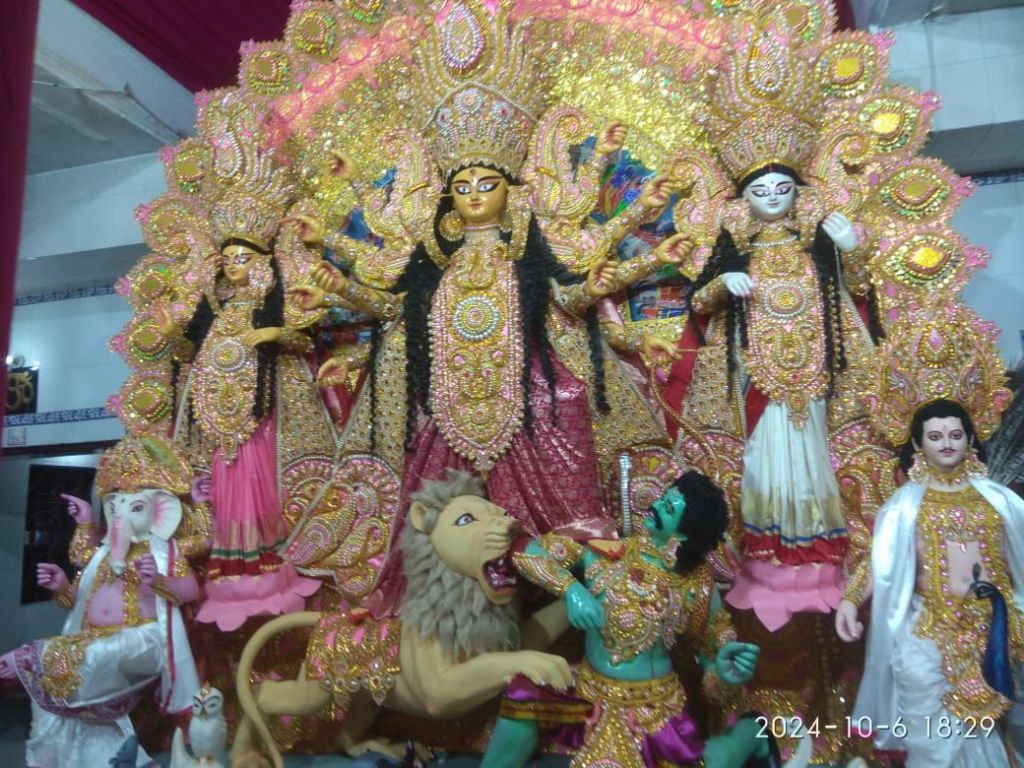
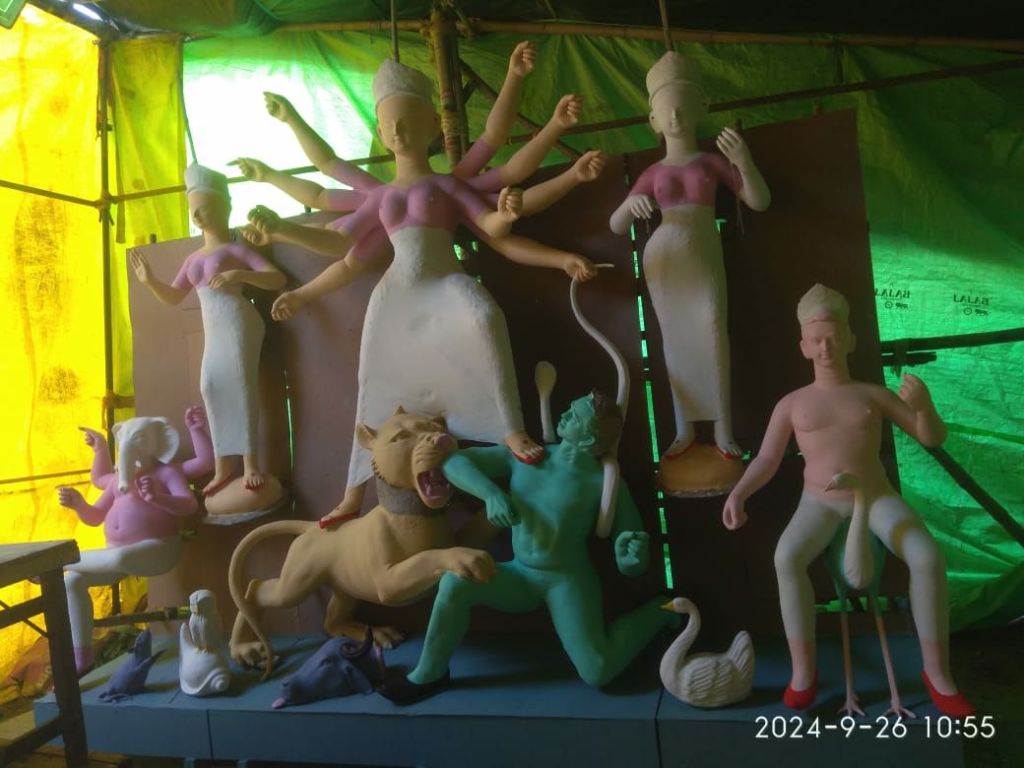
There are many legends surrounding the festival of  Durga Pujo or Durgotsava. Being pestered by the demon Mahishasura , all Gods in heaven come together to empower Devi Durga to battle against Mahishasura. She takes the form of a warrior riding a lion. Each God bestows upon her their respective power in the form of weapons. She thus has ten arms holding ten different objects including a trident 🔱. After a fierce battle Durga finally kills Mahishasura.

Another legend has it that Durga comes to visit her natal home with her sons, Ganesha (God of well being) and Karthika (warrior God) and daughters, Lakshmi (Goddess of prosperity and wealth) and Saraswati ( Goddess of knowledge, music and art). Durga is treated by the community as the quintessential daughter-in-law. The rituals begin on the sixth day (shashthi) and carries on the seventh (saptami), eighth (ashtami) till the ninth (navami) day. On the tenth (dashami) day the immersion or visarjan takes place symbolising her return to her husband, Lord Shiva and marital home in Kailash Parvat.

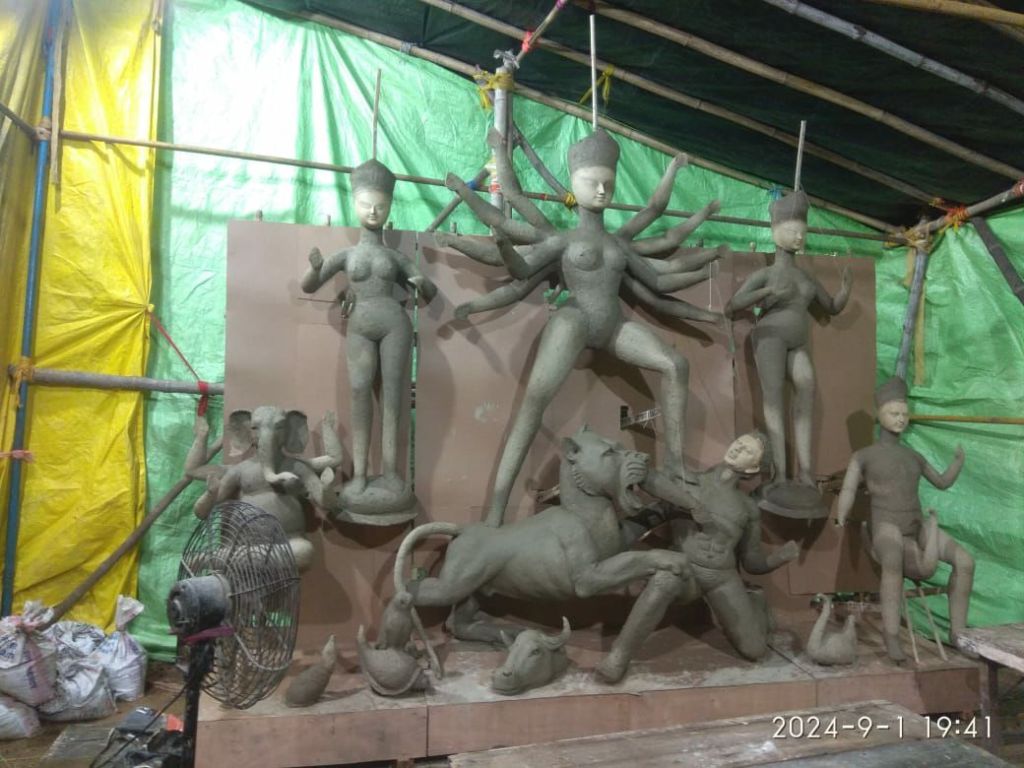
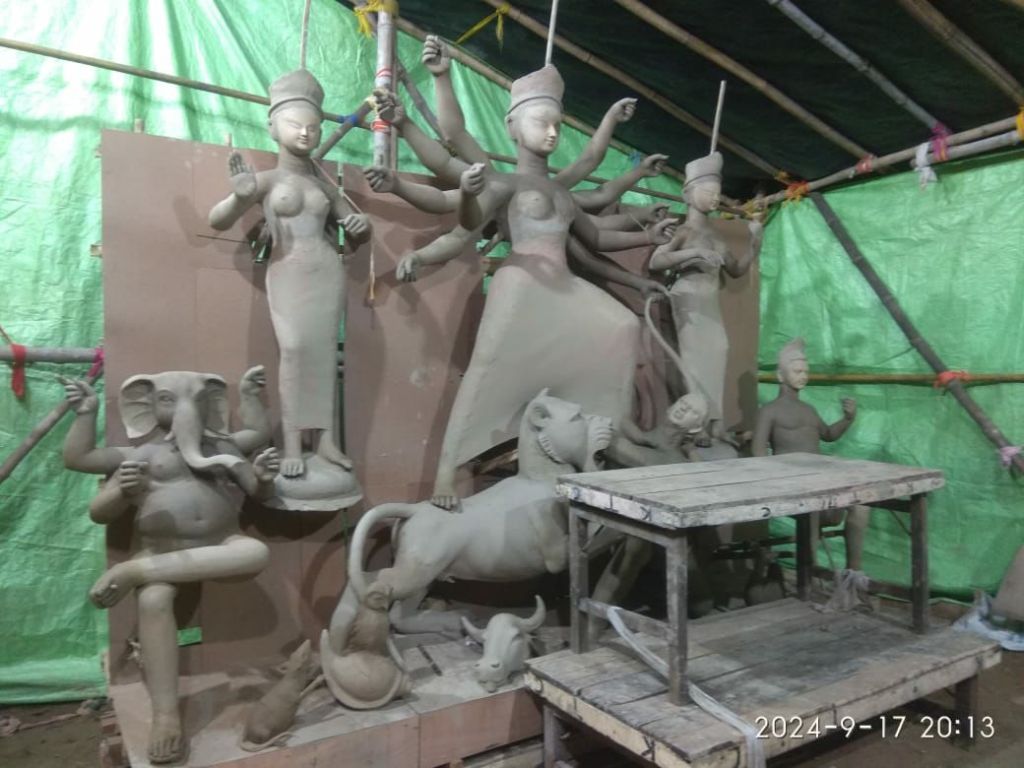
Durga Puja is a socio-cultural festival. For months the pandaals are prepared and decorated and the deities are sculpted with care and devotion. There is a seperate locality in Kolkatta which is the hub of sculptors and potters who are into making the idols. It is know as kumortuli or the residence of the potters. The pandaals and idols every year pivot around contemporary social issues which are in vogue. The makers and artists compete with each other and the best of creation is awarded at the end of the festival.

The puja pandaals usually host a number of food stalls as no festivity can be without finger licking treats. Pandaal hopping is one of the main attractions of Durga Puja. On ashtami or the eighth day chanting mantras in Sanskrit in eulogy and veneration of Devi Durga is considered extremely important and auspicious. This is known as pushpanjali. On the tenth day sindoor khela or playing with vermillion is also another enjoyable ritual wherein all the married ladies wearing white saree with red border play with vermillion with Maa Durga as well as with one another after Puja coaxing her to come back again the next year with her family to meet her devotees.

Durga Puja was patronized by Kings and rich zameendars or landlords of erstwhile Bengal. The centuries old tradition is still maintained in many families who every year hold the Puja in their ancestral homes. You can search for Puja Parikrama 2024 on You Tube and get a visual tour of important and beautiful pandaals of Kolkata and other parts of the state. Durga Puja is also celebrated in the eastern states of India, like Orissa, Bihar, Assam, Jharkhand , eastern part of Uttar Pradesh and even other states. It is also celebrated globally by Indian community abroad.

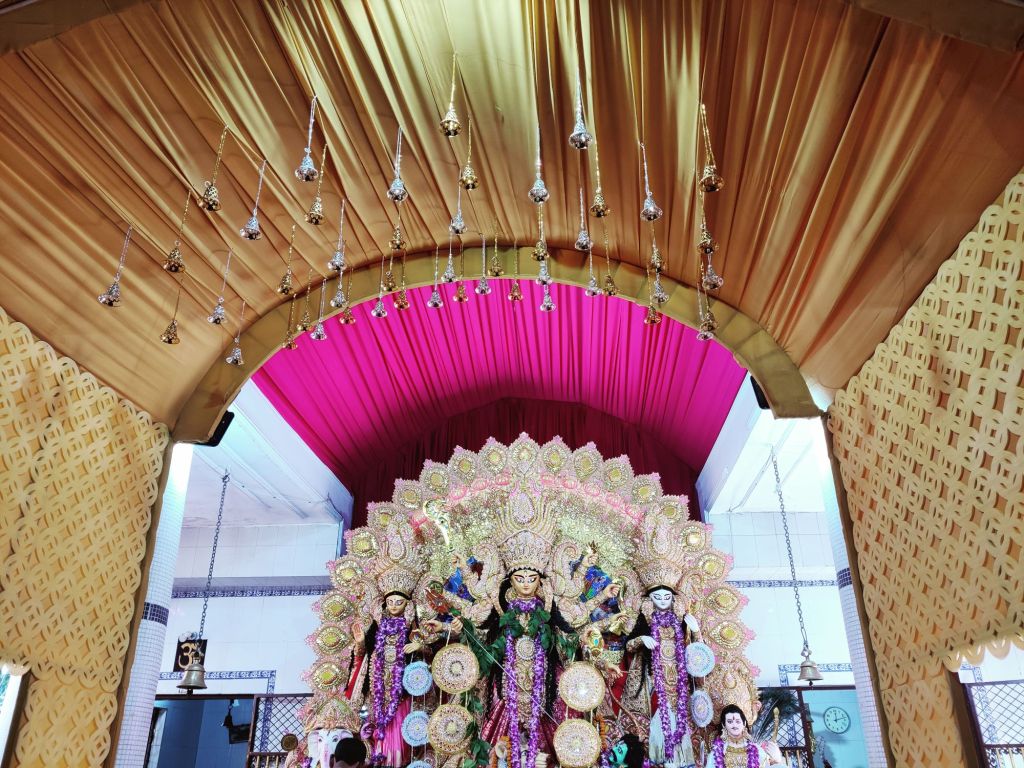
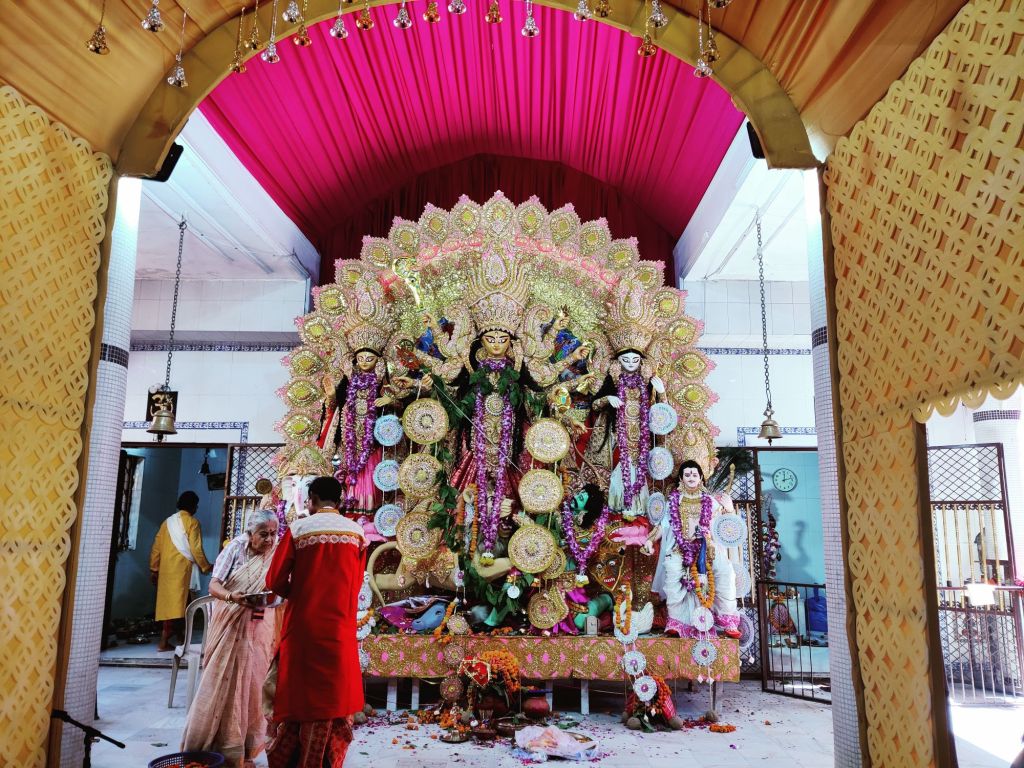
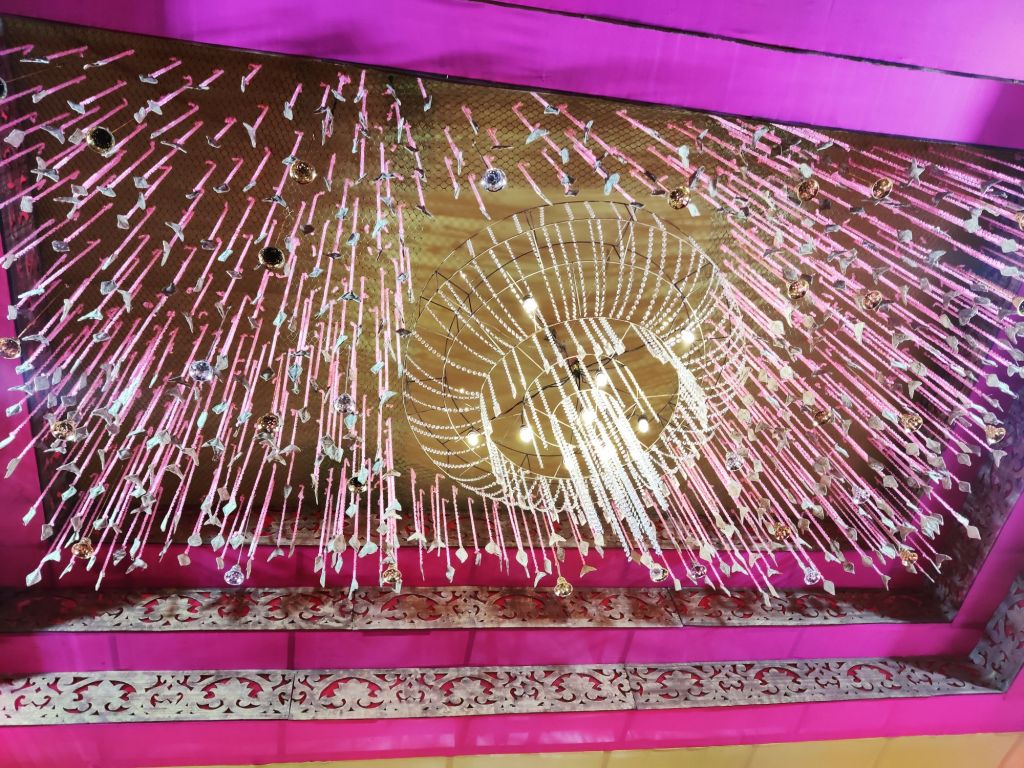
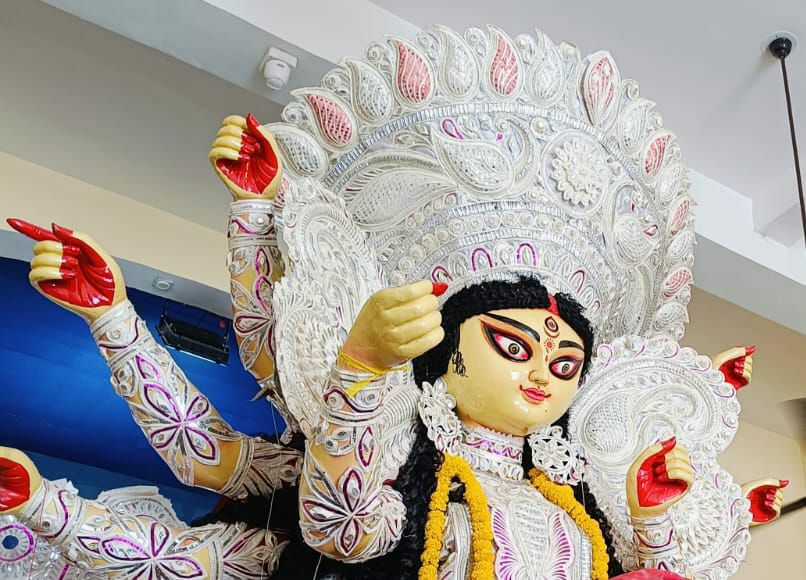
These pics above are just a glimpse of the pandaal decor and the deity of one of the many Pujas held in Delhi. The enlarged version can be seen inthe gallery.

The temple where the festival was being, held was under major renovation which was however stalled midway for the Puja. Durga Puja is just the beginning of the festive season in India which goes on till the month of December ending with the New Year celebration.

The above pic is of the deity inthe making and the weapons and other artifacts and jewelleries have not yet been placed on her.

The above three pics are of the deity in the making.

Barring the first three pics all the rest were shared by the temple priest on WhatsApp.

Sea And Me – Part II


I was not hit by the Goa craze when I visited the state. It was just another vacation and Goa was merely a part of a hectic schedule.

We took the Goa Express from Delhi’s Nizamuddin railway station. The most exciting train ride ever taken as it passed through the deadly dacoit infested Chambal ki Ghaati (the ravines of Chambal valley). The train slowed it’s speed as it neared  the rugged upward terrain. I kept my fingers crossed till we passed the Ghaati. Never knew when there was a sudden attack by the dacoits.  I could even their horses’ hooves echoing in the desolate,  labyranthine, rock hard Ghaati!! The piercing sound of the bullets speeding out of the rifles announcing their unwelcome arrival. Was my imagination running riot???

It was way into the night. The steep rise of the Ghaati which was impossible to  navigate even by the police force looked mysterious, formidable and true to the legends surrounding it. Dreaded names like that of  Phoolan Devi and others came to mind who had ruled Chambal  for a considerable time till their  surrender. A prey to unspeakable feudal oppression Phoolan had chosen to become a dacoit to take revenge on her oppressors. Sounds filmy? Yes, it is  nothing short of that. Eventually, though she tried to lead a ‘respectable’ life but met an untimely end allegedly in the hands of her trusted partner.

We got down at a station near Aurangabad. Took a tour of Daulatabad Fort, Ajanta, Ellora and then found our way to Goa. We also visited Pune but I don’t remember how we landed in that city. But I do remember I liked it very much – it’s eateries, girls on two wheelers and the fresh morning breeze.

In Goa I had booked my office holiday home which was far away from the capital city of Panjim. The holiday home was situated behind a five star hotel with a private beach which we could access. It was a nice spot. The hotel guests sun bathed while we walked along the shore wetting our feet at times in the careening blue waters

We were lucky to have been in Goa during Christmas which is the most enjoyable time there. Goans are a festive lot. They love to sing and dance. I guess every Goan boy knows how to play the guitar. It was fun watching boys and girls singing and dancing on the beach while an appreciative crowd encouraged them clapping and swaying with the rhythm of the music. Goan music has a unique foot tapping quality.

At that point of time in life my idea of knowing a place was through conducted tours. We did take one but I don’t remember whether it was the Northern or Southern part of Goa. We visited many Churches including the one which had the encased body of St. Francis. We also visited the Mangesh temple which supposedly belonged to the famous (Lata) Mangeshkar family.

As far as beaches are concerned I remember the Miramar beach which had the statue of Dona Paula at the far end. It was called the Suicide Point from where the starstruck lovers had given up their lives.

Travelling with kids one ends up doing what they enjoy the most. I believe we were subsequently hit by the Goan mood and bought quite a number of skirts, shorts and T shirts. We splashed a lot in the waters, clicked ourselves in shorts and Ts, had sea fish Goan style sold at seaside kiosks and boarded the bus to Bombay after a week’s stay.

Goa did not make much of an impression on me. However, I liked walking down its streets and admiring the beautiful architecture of Goan houses decorated on Christmas. I liked the clear blue star studded night sky and the light blue waves during daytime. After a certain time in the evening commuting back to the holiday home was problematic because of lack of transport. But getting bike rides to and fro beaches during the day was novel.

I am talking of early 1990s. Now Goa must have changed a lot. It was a family outing – me, mother, sister, brother in law and their two kids. I don’t think we ever got together again after this visit. As the vacation came to an end I took the Geetanjali Express from Mumbai back to Calcutta where I worked at that time. The train was inordinately delayed reaching Howrah station. Poor Poritosh Kaku, my paternal uncle’s friend, whose duty it was to pick me up from the station, had to spend the wintry night on the platform.

Although I do not recall what my exact feelings were while staying in Goa I positively remember not wanting to come back alone to my workplace. I hated everything about Calcutta ironically called the City Of Joy after Dominique Lapierre’s eponymous book. Calcutta was also close to the sea. But I never got a chance to experience it being there. Life’s fiascoes drowned the sea song.  It’s chaotic cacophony too loud for the percussion of the waves. It’s only after leaving Calcutta that I felt the city growing on me. Another irony of fate probably.

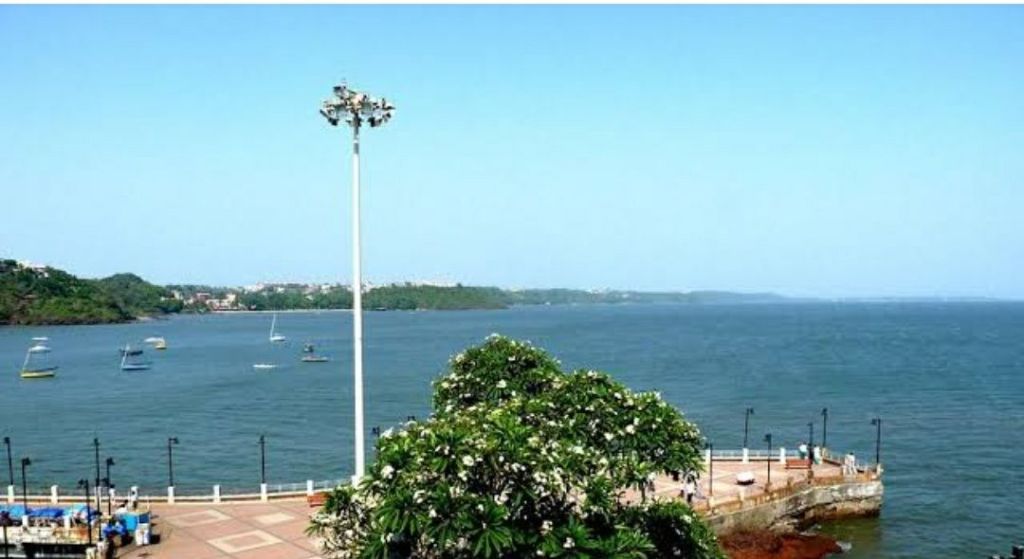
Dona Paula Beach

Sea And Me – Part I


Bonding with the Sea

My fondness for the sea is some four decades old since I first visited Digha , then a small seaside resort, near Bengal-Orissa border.  I believe now it’s as flourished as any other bustling town which gains momentum gradually with more and more human footfalls season after season.

When we visited it was far less occupied. There were flocks of  bathers nonetheless their existence did not render the atmosphere claustrophobic.  Clean stretches and stretches of empty beach lay deserted, unexplored and even cautioned to be avoided in fear of ungainly mishaps happening now and then.

Getting accommodation in hotels was not that difficult even “in season”. Though crowded you still found your own spaces inbetween wherein you could enjoy breathing deeply, evenly and easily.

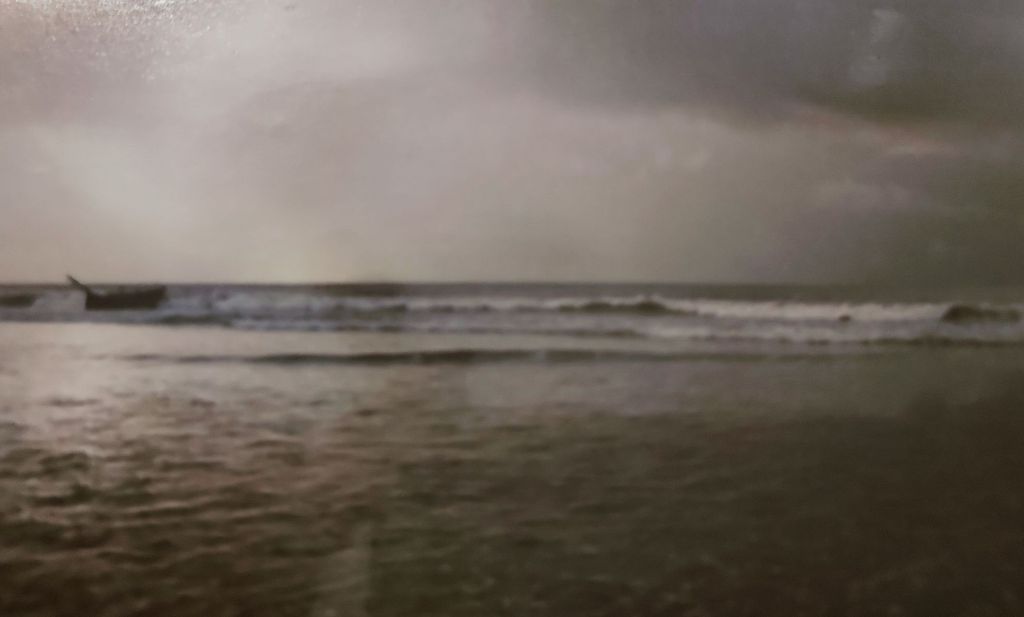
My first consciousness (read sight) of the sea was mesmeric.  How enchanting the waves were! Crashing near the shore. Receding hurriedly to  lap up again. The frothy water fairies pirouetting along the embankment, caressing the sands momentarily then suddenly turning away in disdainful charm like a pouting beauty asking to be enticed back.

An old photograph from my album

Digha sea was like a mischievous, almost audacious, young girl. It liked to seduce the farers playfully. I was with my kaku (father’s younger brother) –  my guardian after father’s untimely demise. We had a lovely time. I remember laughing and giggling  a lot.

I don’t recall how Kaku ended up hiring a deaf and dumb rickshaw puller who religiously reported each day very punctually to take us on a tour around the town and even beyond the state border. Kaku somehow managed to communicate with him. At first raising his voice which literally fell on deaf ears and subsequently with frantic gesticulations whenever his back was turned towards him. How it made me laugh!

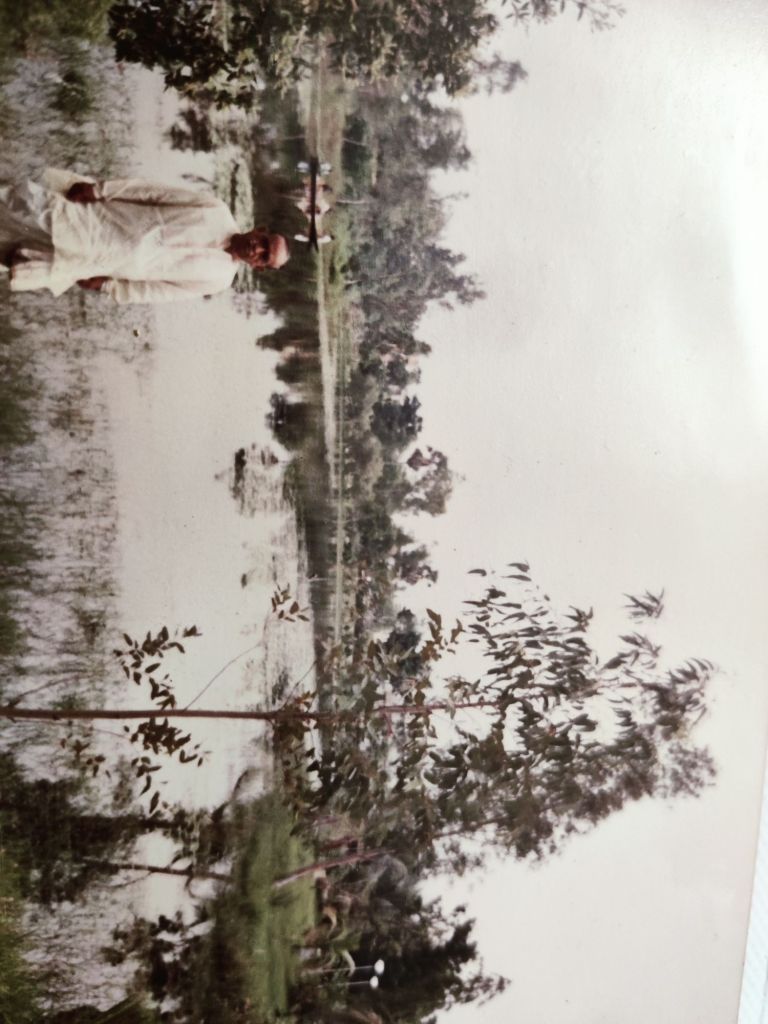
Kaku, like my father, was a quiet man. He was a confirmed bachelor but very dutiful towards his sisters, that is, my aunts, and needless to say, towards me. Nobody compelled him to do what he did for me – he did it on his own. He would laugh silently when I shared something funny. He taught me to be frugal in spending which my father never did. He had plans to ensure a so called secure future for me but I dashed all his hopes to ground when I decided to return to a chaotic life in the city I was brought up.

From Google

We are a family of unconscious comedians. Kaku was no better. But most times we enjoyed each other’s company in silence. Now that I look back I realise he filled up the vacuum created by my father’s sudden departure to heavenly abode. Unfortunately, Kaku left this world quietly – a  broken man disillusioned with life. He never called out to me. I was not there when perhaps he needed me the most.

I bonded with the sea deeper with him around. It was made easier by his laconic company. We would sit for hours on the shore watching the waves come and go unfailingly in  rhythmic succession. The waves rushing towards the shore would not stay put. They had to hurry back again to the sea. They never broke that unwritten promise made to infinity. They were not humans who callously went back on their words disrespecting their own selves.

The bathers often dumped their baggages on me. I felt happy taking care of them. Mid sea they would call out, “Come! Join us!” I declined. I was afraid. I did not know how to swim. My lack of skill became a deterrent.

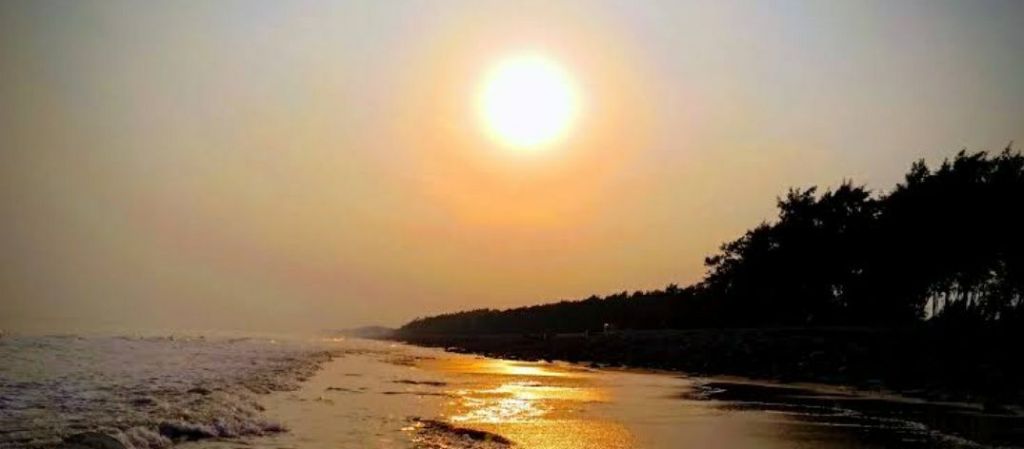
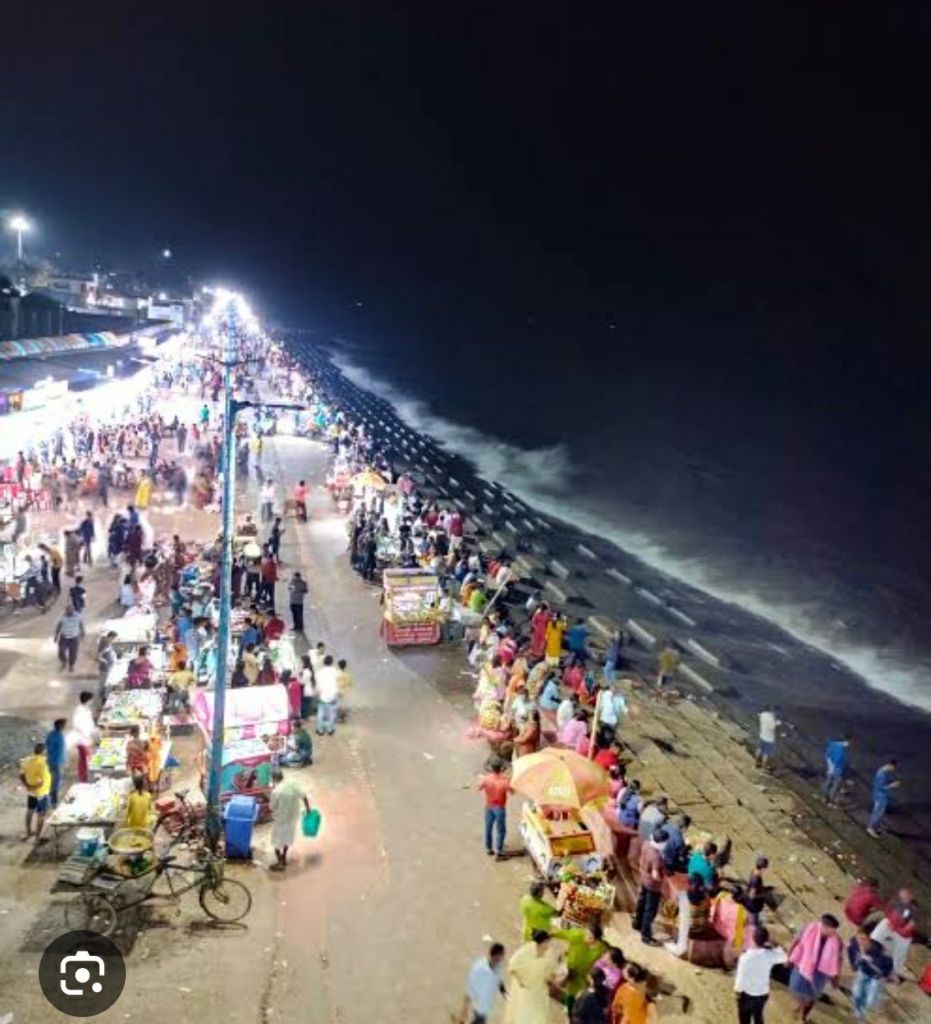
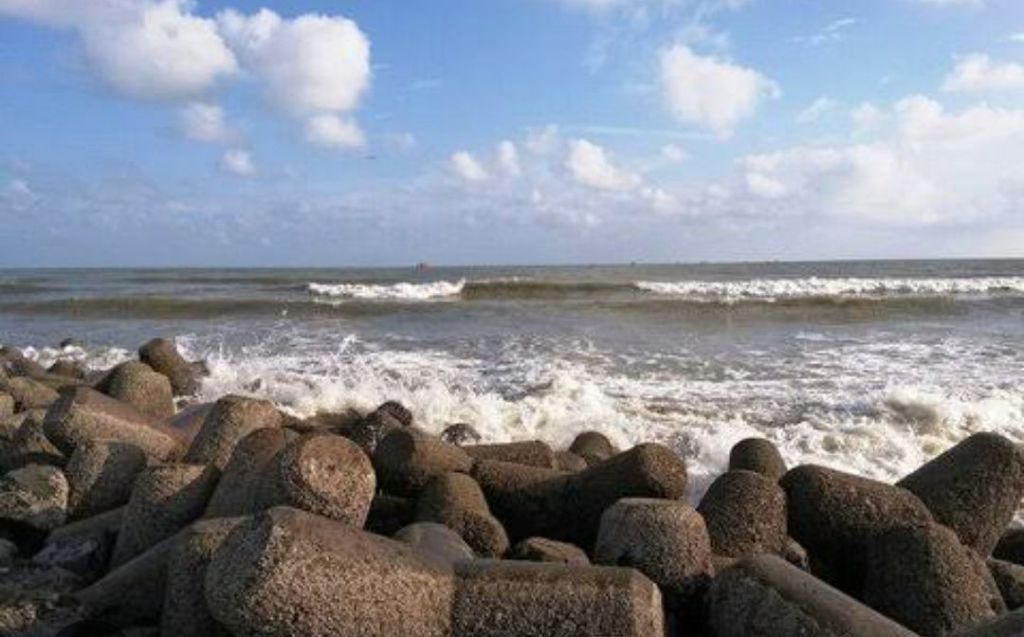
Time was fiction when sea became a reality. It never intruded and we never invited the needles of the clock to meddle in. Digha’s sea was a clear light blue. The waves laced with white frills. The setting sun imbued it with the colour of gold. Wistfully it would darken into a shade of  electric blue as night fell.  Going to sleep listening to the sea was like a timeless lullaby. The roar of the sea was like the eternal sound of creation and devastation which was carried on endlessly in the cosmos. It’s we who never paid attention to it. But it continued without a break immersed deep into its own mood and cadence.

Digha at night – From Google

I had taken a fancy to photography during this time and kept on clicking randomly with the beginner’s Hot Shot. Its still there tucked in somewhere. An instrument of making memories. Those moments which I am really fond of. A simpler life. One with Nature. With the waves. With the sea. The sea was never without the waves. The waves were never without the sea. It’s we who moved away. Farther and farther till the body of endless movements became a mere speck in the vignettes of mind. And the waves just a distant sound.

From Google

We met a couple during our stay. In fact, it was Kaku who met them first. The man, a creepy fellow, was hell bent on introducing me to a TV producer who was into making serials. The woman, an emaciated being, serious faced and completely sucked out of happiness,  endured her husband in silence. They had a child, a girl, if I remember correctly. The child seemed to have no role in the man’s life. The woman was attached to her. She tried to be friendly with me too. But I detested  them. “How could you be with them?” I cried. Kaku had a knowing, impish grin. “Why? What’s Wrong ?” He asked. It didn’t take much to extricate Kaku from their clutches. He always made wrong choices when it came to relationships with humans. It would have been way different had it been otherwise.

Kaku

Chandeswar or Chandaneshwar is the only temple in India where Lord Shiva is worshipped in niraakaar swaroop or in formless form. The temple is just across Bengal border falling in the state of Orissa. There were buses which took those who were interested to the temple. We went by our favourite rickshaw.

It was scary, extremely slippery and pitch dark. A few weakly lit earthen diyas strategically placed in the alcoves could not overpower the strong sense of foreboding that swelled up with the satanic shadows that ruled the interiors of the sacro sanctum. The air heavily coagulated with the echoes of incessant, unintelligible chants. The chanters were just bodiless hands shoving heads of the devotees into the kund – a bottomless pit. The pit was most probably in the shape of a phallus symbolic of the Lord. A slim stream of water flowed somewhere down below. The devouts became aware of it’s existence only as the copper or brass ewer tied to a  long rope hit the base and a splash could be heard from deep within. The usual sense of  submission was largely overtaken by an all devouring apprehension of possible manhandling. I could feel the rope being pulled up and water spilled all around me accompanied again with a string of incomprehensible drone. I was surged with relief as I  made towards the exit after the rituals were over – an uncommon feeling to be experienced in a place of worship.

One evening we saw a middle-aged man in spotless white kurta pajama playing football on the beach with a green coconut shell. He had a bushy moustache. His hair was tousled and fell across his narrow forehead which was demarcated by an elongated stretch of vermillion tika. “He is drunk.” Muttered Kaku under his breath. Completely unaware of the passersby the man kept on intently kicking his play ball which went zig zag alternately hitting the embankment and the opposite wall which ran facing the beach.  His single-minded focus on his toy was so strikingly childlike! I stared at him awestruck. On some other occasion his antics might have made me laugh. But not then.  Anything and everything on the seashore seemed remarkably natural.

The sea could make you go back in time and become a child. The sea could make you philosophize on the futility of all things worldly. The sea could make you a carelessly jubilant youth dangerously surfing on the rough waves or running wildly down the beach. The sea could evolve you into a sage aspiring for divinity. The sea had such transformative power over human minds  that even the most unthinkable, unimaginable, improbable became palpable, attainable , accessible. Thus an empty coconut shell became a football, a man past his prime in a state of inebriation became a gleeful boy and a woman in her mid twenties witnessing the drama of life unfolding before her eyes became so absorbed that she overlooked the comical side presented by the spectacle.

We never returned to Digha again. But Digha kept on beckoning like a long lost friend. “Come! Come to me.” It said. But I did not keep the promise the waves made with the sea. I moved away never to lap up again to be fascinated by the hypnotic magic, to be one with its waves ducking, dancing , undeviating, to warmly cuddle the careworn grains of sands spread over it’s beaches with my curled up toes in remembrance of a relationship fudged with time.

I said goodbye to Digha forever….

From Google