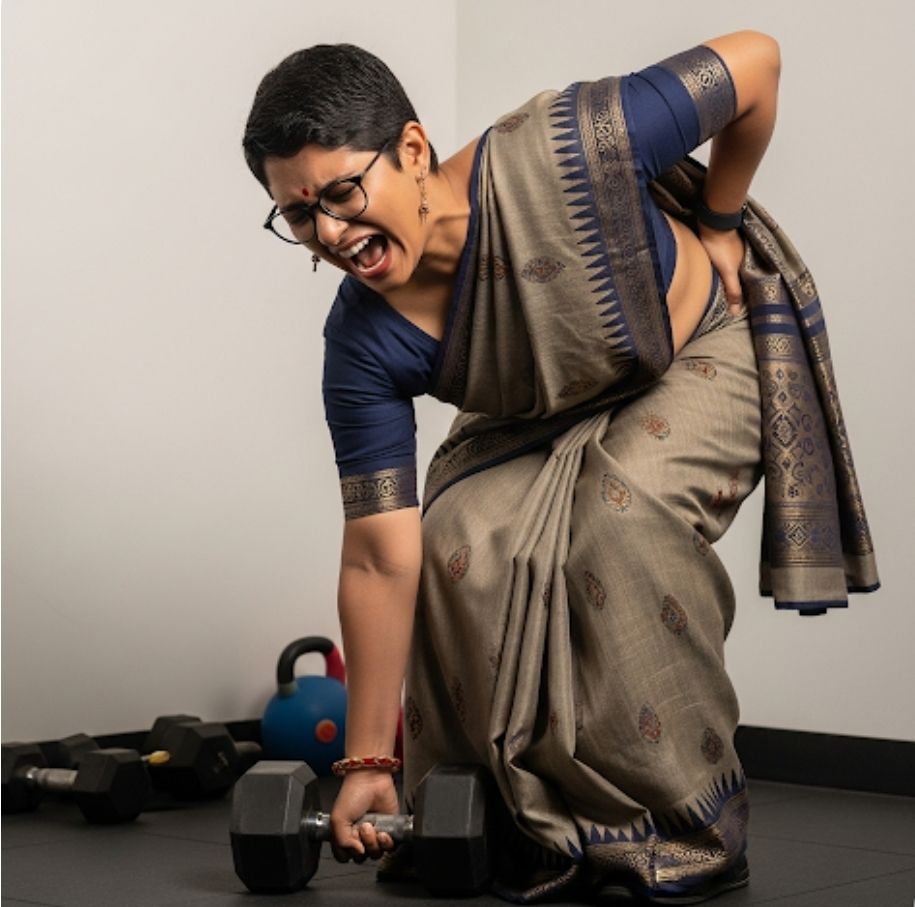
Nowadays, I see girls and boys mostly in jeans or trousers paired with shirts or t-shirts.
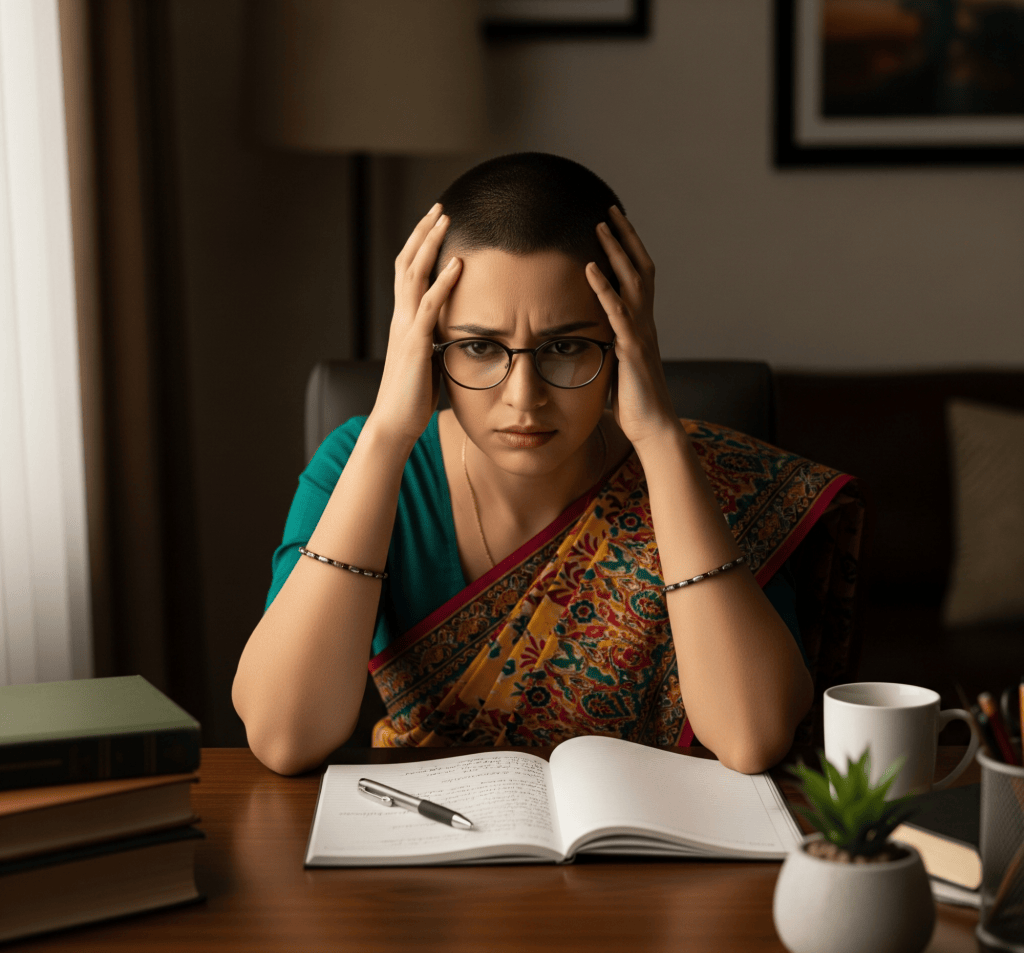
Saree was our dress code in the office. Every Indian state has its respective style of wearing saree. Wearing a saree with front pleats and pinned up pallu (the other end of the saree) at the shoulder was first introduced by the womenfolk of the renowned poet, Rabindranath Tagore’s family. The style was popularized particularly by the ‘modern’ girls from the Brahmo Samaj who broke away from tradition. They wore the saree with lacy, long blouses, socks and boots. The beauty of saree lies in its versatility. The way you tie reflects your personality.
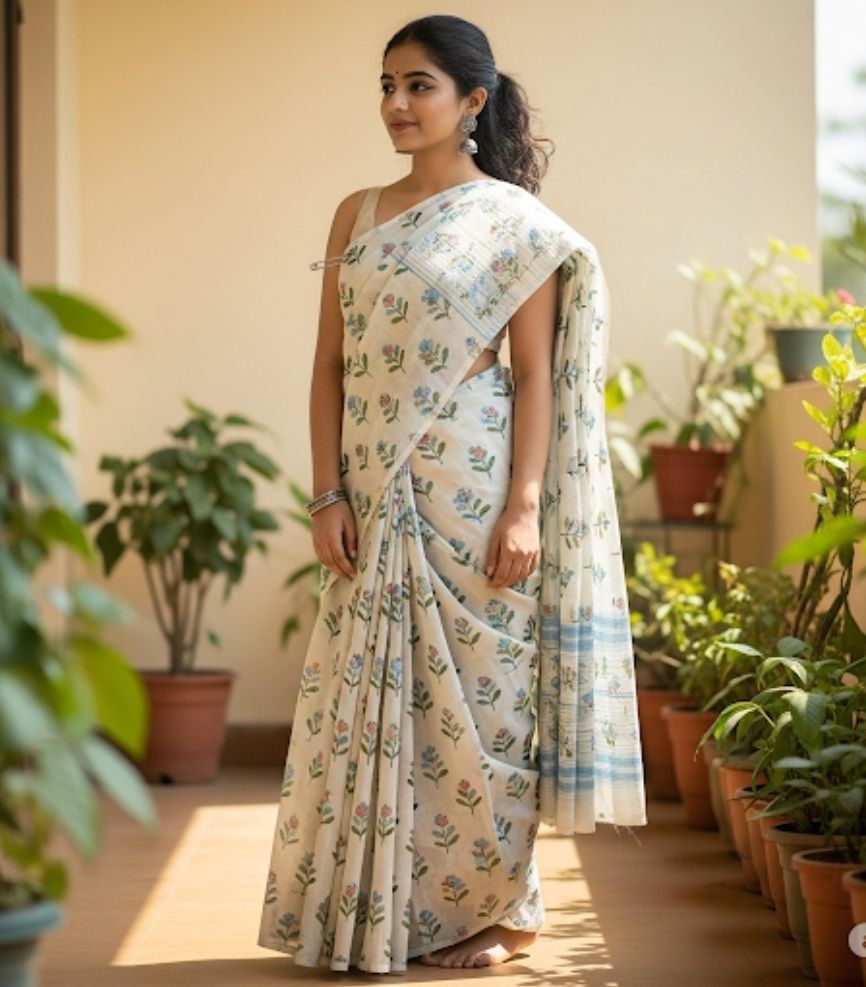
A modern girl in saree
Salwar/churidar kurta along with contrast, matching, colourful or embellished dupattas draped over shoulders looks gorgeous. The fusion wears, much in fashion, are also good with or without dupatta. At times a stole wrapped around makes a statement.
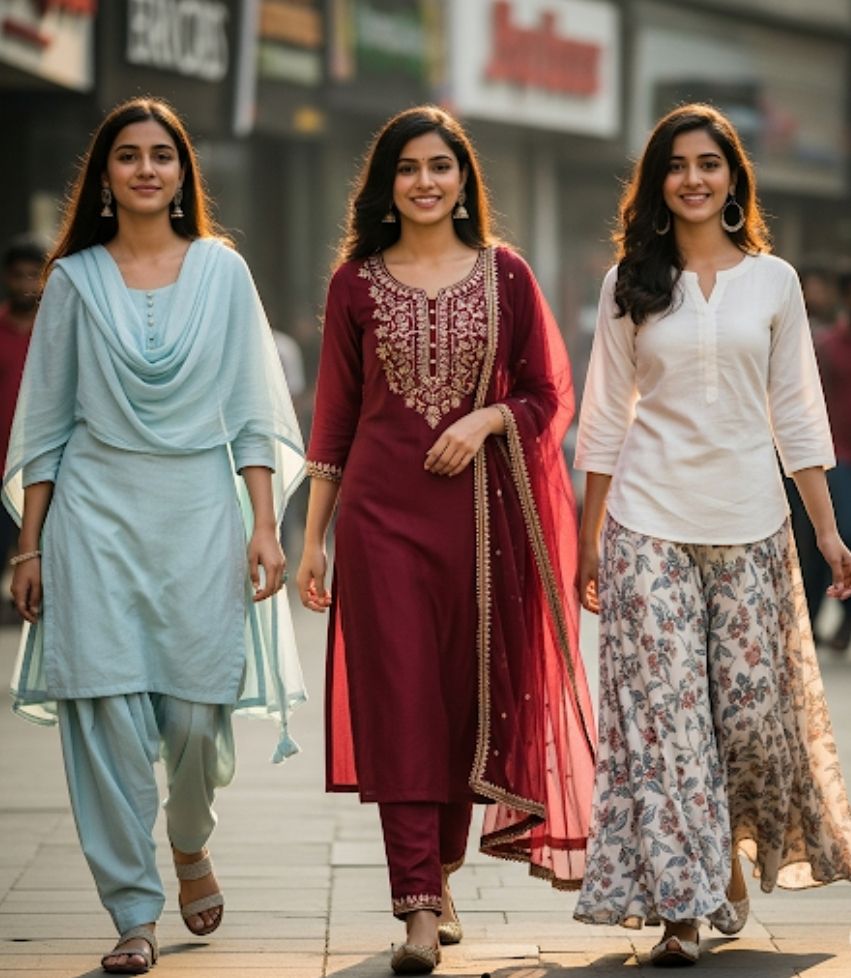
A girl in blue Salwar Suit with her friend in an embroidered Churidar Kurta. Both carry dupattas or long scarves in different ways. The third girl is wearing a palazzo with a short kurti.
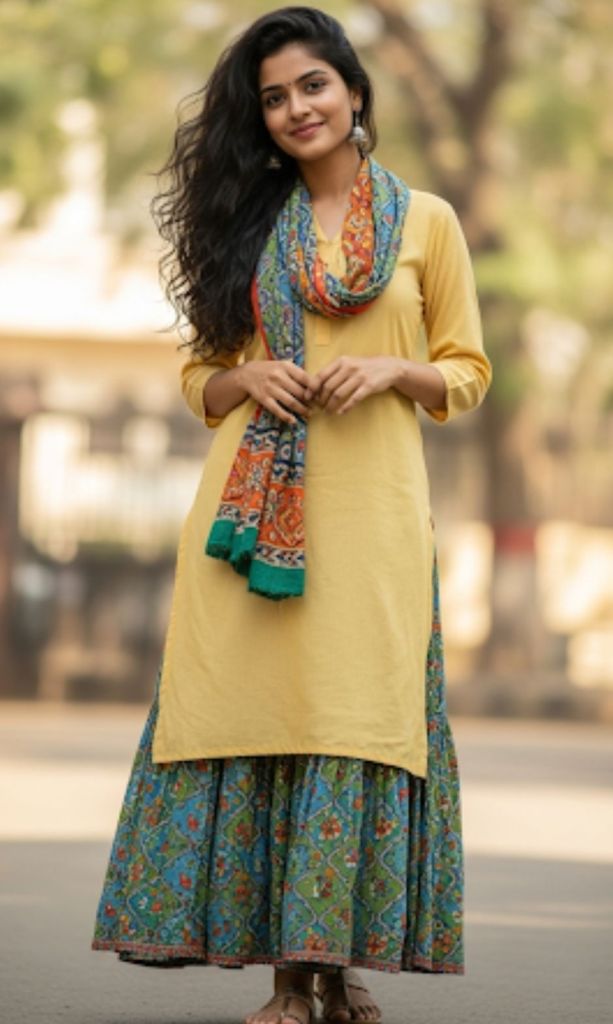
Skirts have come back in fashion worn with long kurtas/kurtis and smart shawls. They look dressy and stylish.
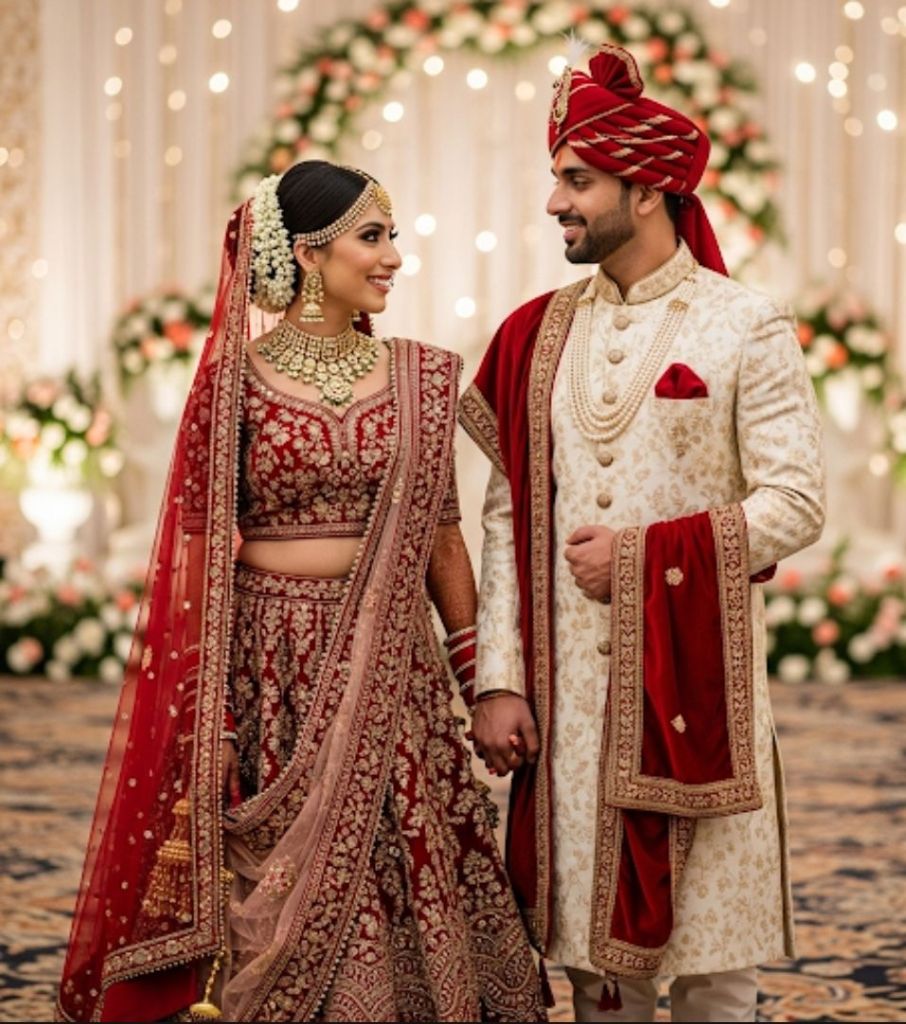
Nowadays wedding attire is not restricted to traditional outfits. It’s designer lehenga/choli for the brides and sherwani for the grooms.
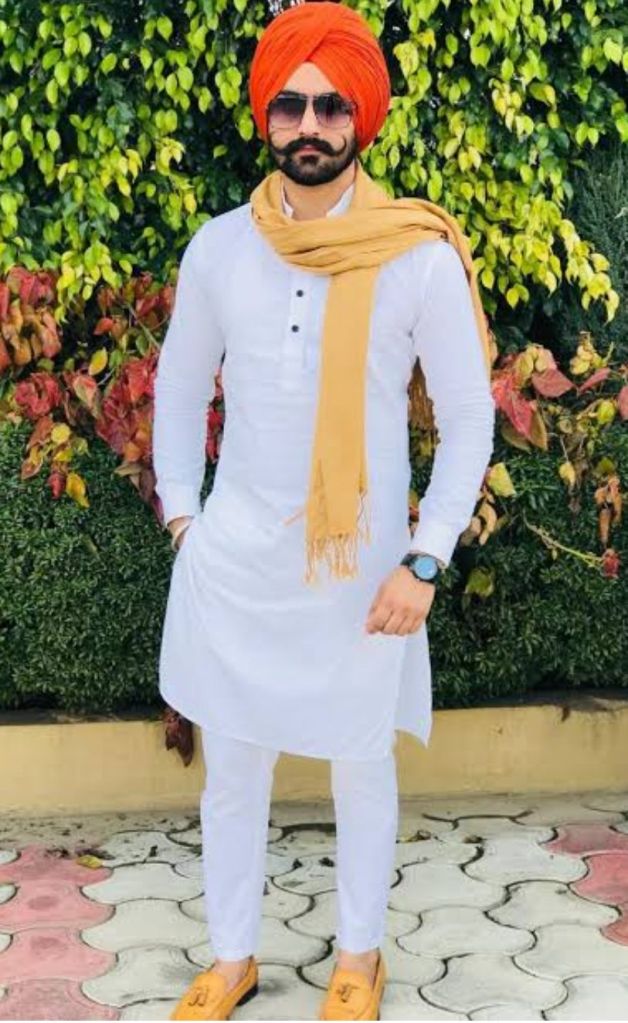
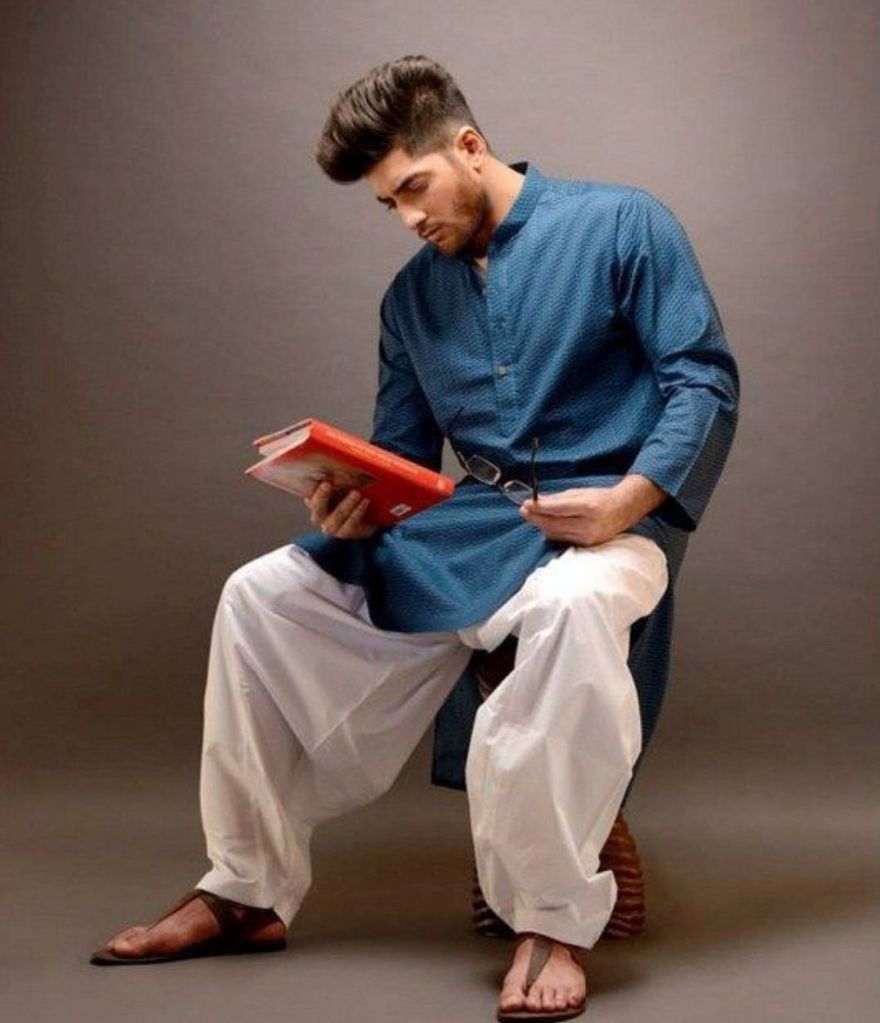
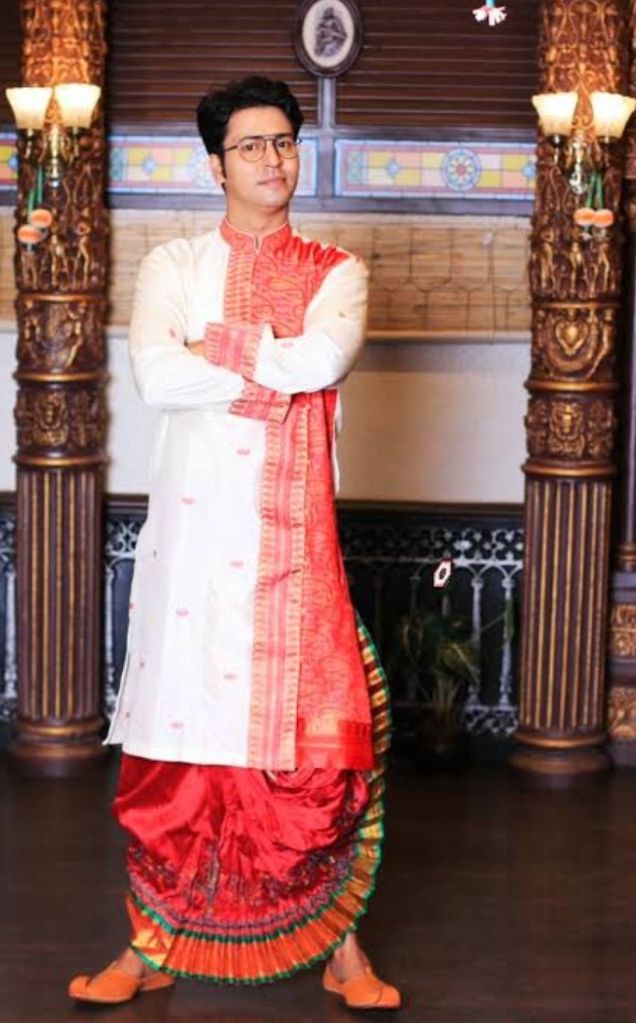
Men in crisp cotton pajama/churidar/dhoti and kurta look very elegant. So does pathaani suit. Dhotis again are tied differently in different states. To make it easy stitched dhotis , like stitched sarees, are available in the market which has to be just put on like a pair of trousers. But those who know how to tie a dhoti or a saree prefer unstitched ones. I like the dhoti worn Bengali style the most.
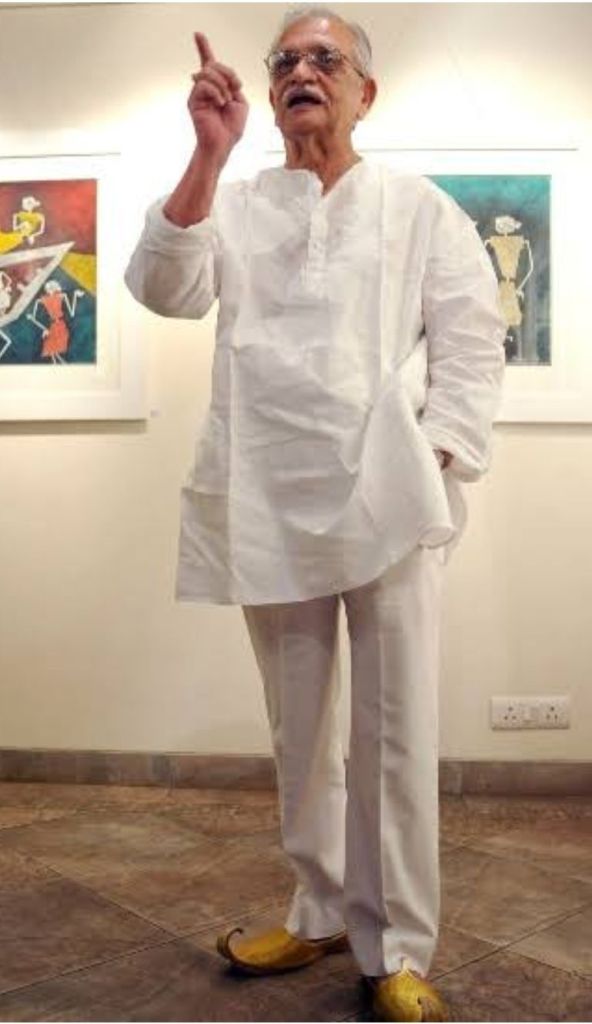
white Kurta Pajama
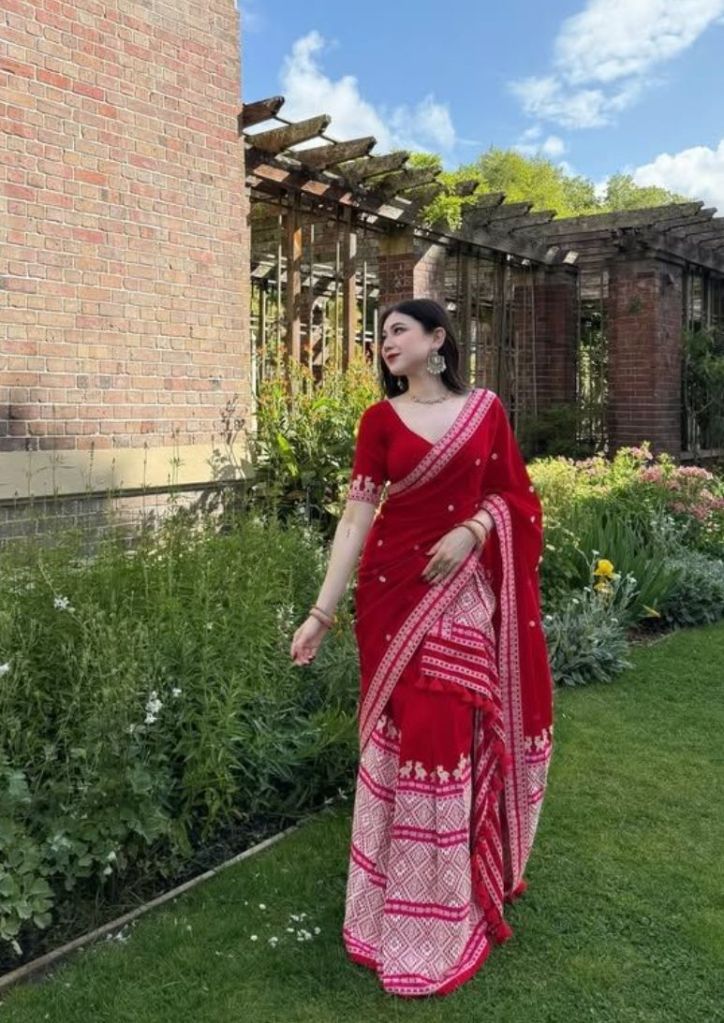
The mekhala chaador of Assam is a very graceful representation of the ethnicity of the North-east. It can be worn the traditional or the saree style. Both look eye catching and beautiful.
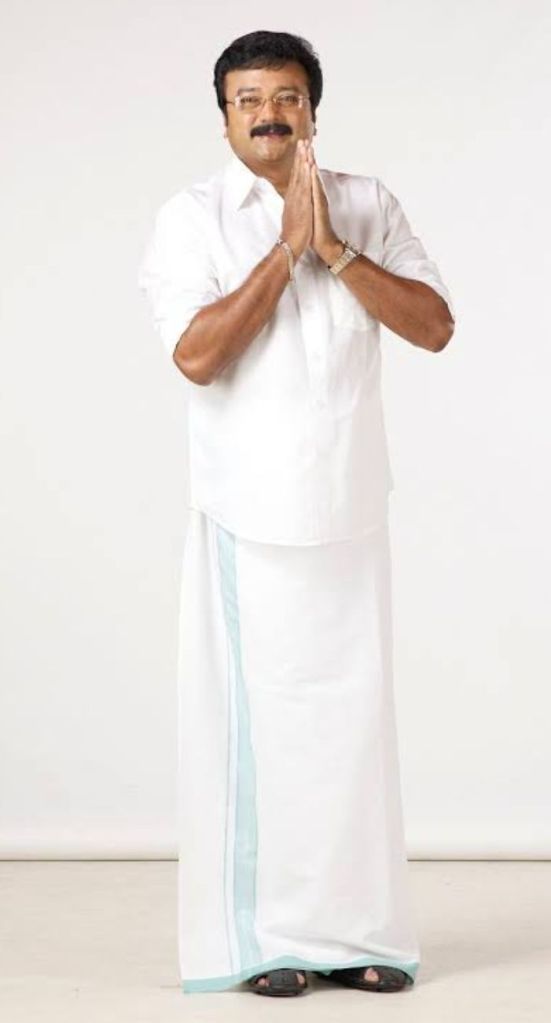
South Indians carry a veshti with immense grace and style. Men pairing it with bush shirts or half shirts combine casualness with dignity.
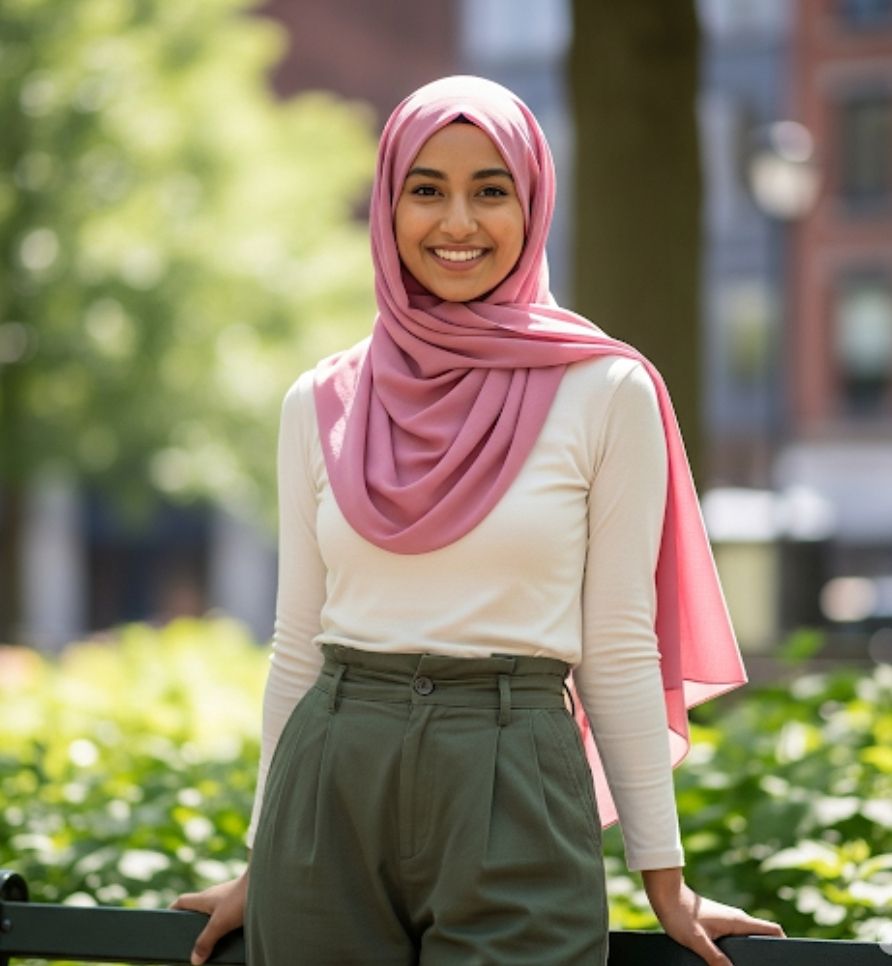
When I used to travel by Metro I saw many pretty faces in hijaab. They looked lovely fusing tradition with modern wear.
In India everyone has their individual style quotient and varied dressing styles from traditional to western to fusion to experimental. It’s very pleasing to the eye colourful as well as dramatic. And if it’s a festive occasion you will see men and women of every age and ethnic group dressed to dazzle.
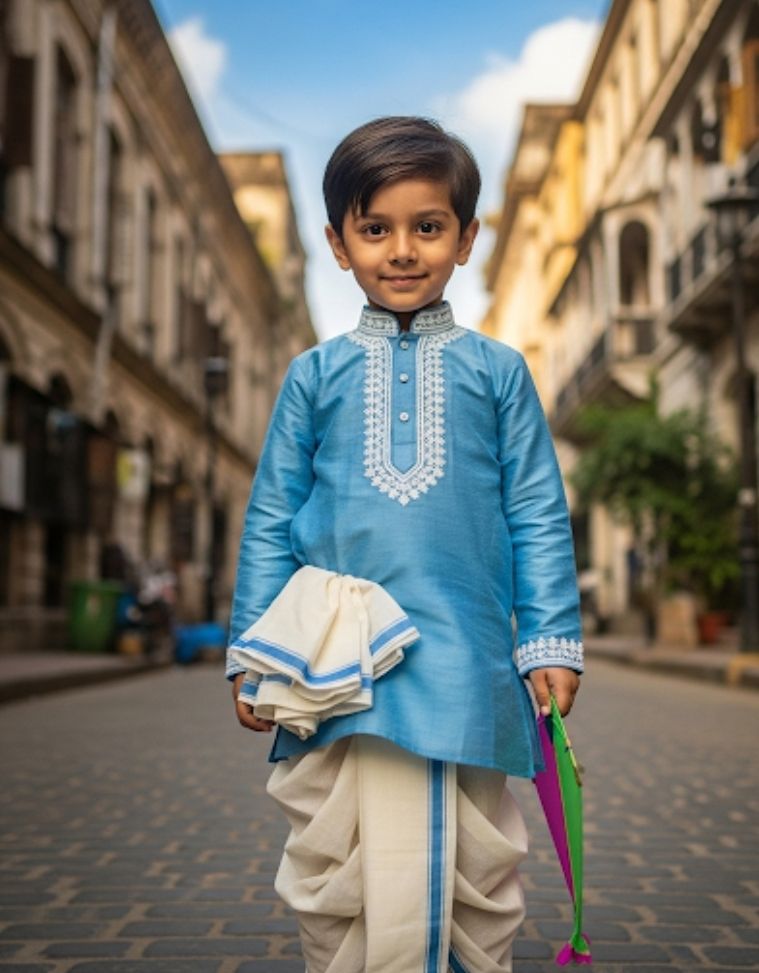
Pics are from Pinterest and AI generated