In Gratitude


For me kynpham Singh Nongkynrih was the editor (along with Rima Nath) of the haiku anthology from India – Late Blooming Cherries – till I read a full article on him in Hindustan Times which described him as the voice of Meghalaya – one of the Seven Sisters of North Eastern India.

It made me realise how little I knew about the literary landscape of this multilingual and multicultural subcontinent.

I decided to find out more about him through his poetry.
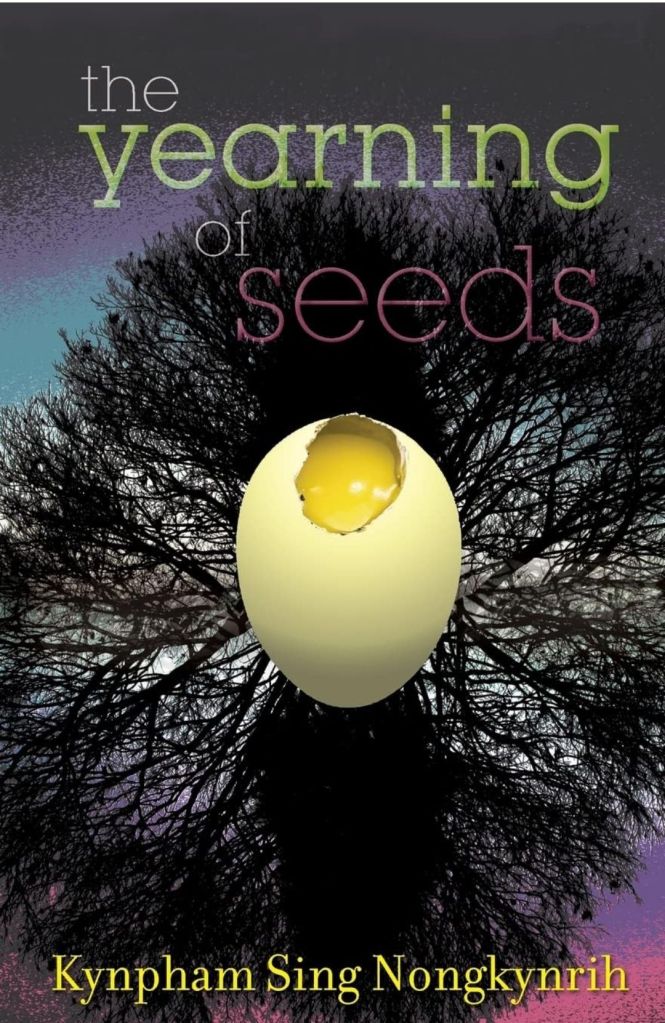
In his book of poetry, the yearning of seeds, Kynpham talks about the changing contours of the terrain, cultural erosion, insurgency, growing chaotic lives of the people and lack of political will to preserve and uphold the rich legacy of the region which he fears are responsible for the usurpation of personal identity.

The softness of his poetic expressions time and again gets subverted by harsh and ruthlessly brazen overtones indicative of his disappointment and frustration with the  systemic and social flaws and failures. His verses are bold, blatant and unapologetically brutal making the reader wince.

Kynpham says his poetry is ‘anoetic’.

“…Something stirred inside me

I was racked by a sudden desolate yearning,

something fierce and restless, a gnawing, tormenting,

desire to reach out, to touch —

and I scrawled my first few lines,…”

When Kynpham says ,

“Let me sit astride a pachyderm and see saw

through the reeds in search of  the rivet-skinned rhino.

I would like nothing more than to look it in the eye

and say, “Mine too is a vanishing tribe.”

the reader is struck by the sense of finality!

There is an overwhelming sense of alienation in his verses. Kynpham writes:

“Strange sounds are crowding this town.

Like the rooster, I too seem

to have become obsolete.”

On a war torn world, Kynpham’s words cut through:

“Let them tell their stories. Let them speak of the

bombardment of nations, the conflict

of races, the squabbles of neighbours.

…

…Let them tell why and from whom they have

fled.

My knowledge is little, my suffering trivial.

Ask them. Let them speak of good versus evil.”

The book ends with a bunch of haiku.

dense smoke from pine copse

man’s baleful fire hell bent

on quick destruction.

first spring rain–

the bus shelter

only half-finished.

forest fire watched

by millions; fire in my heart

witnessed by no one.

rain for days–

only soldier’s clothes flapping

on a sagging clothesline.

A little about the author

Kynpham Singh Nongkynrih is a Professor of Literature in North-Eastern Hill University, Shillong. He is a bilingual writer and writes poems, dramas and fictions in English and Khasi language. His awards include the first Veer Shankar Shah-Raghunath Shah National Award for Literature (Madhya Pradesh 2008) and the first North-East Poetry Award (Tripura 2004).
Autumn


Autumn is a season of mildness. The sun is charmingly warm but mellowed in its rage. The sky is deceptively blue and sparkling. The clouds are soft, snowy and cottony floating to an unknown destination.

The trees are still promisingly emerald green. The bunches of leaves cloak the dullness of the days giving them a rich fullness. The flowers are abloom. Their colours are joyously abundant. 

The breeze is chiffon-y, caressing and fragrant – a symphony of melody vibrant and misleading. The birds are gossipy, noisily announcing their presence in the balcony. The nights are embalmed with moonshine. The stars are in droves brightly jovial.

It’s the season of hope, happiness, togetherness and divine blessings belying the herald of a listless landscape of monotony of frozen verses – winter’s just round the bend. But we shall ignore that chilling missive in the youthful spurt of today’s bonhomie.

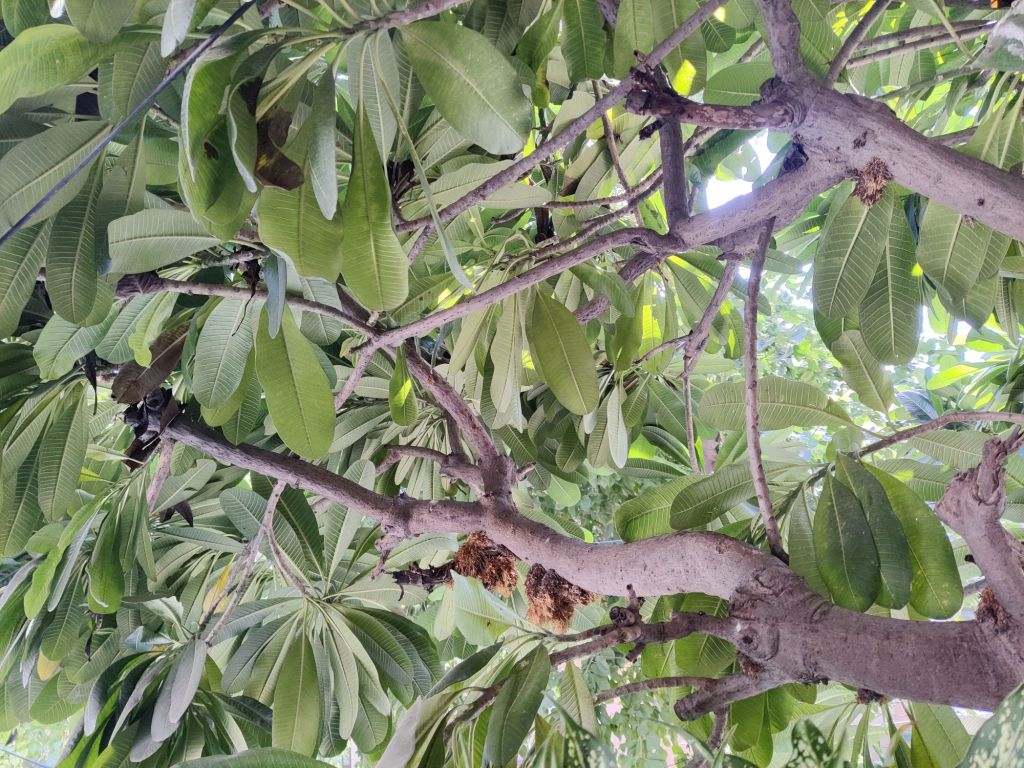
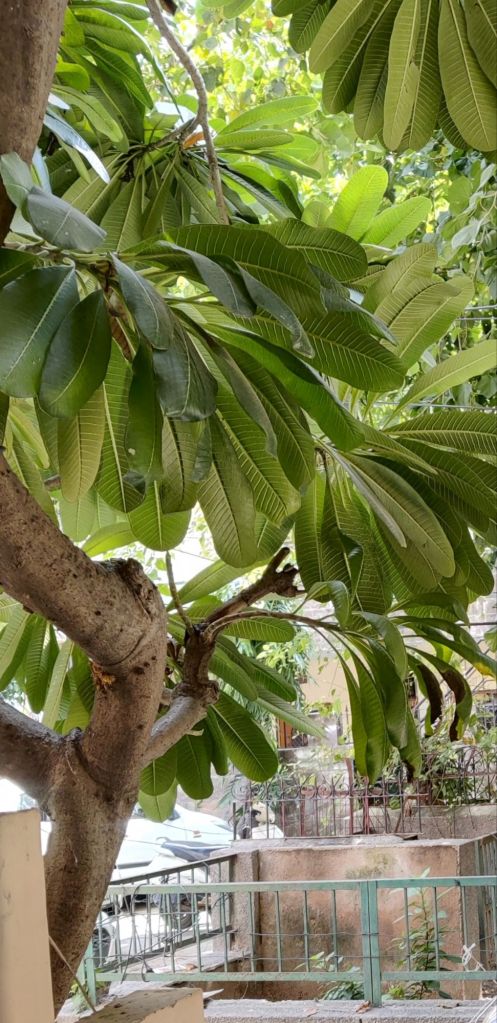
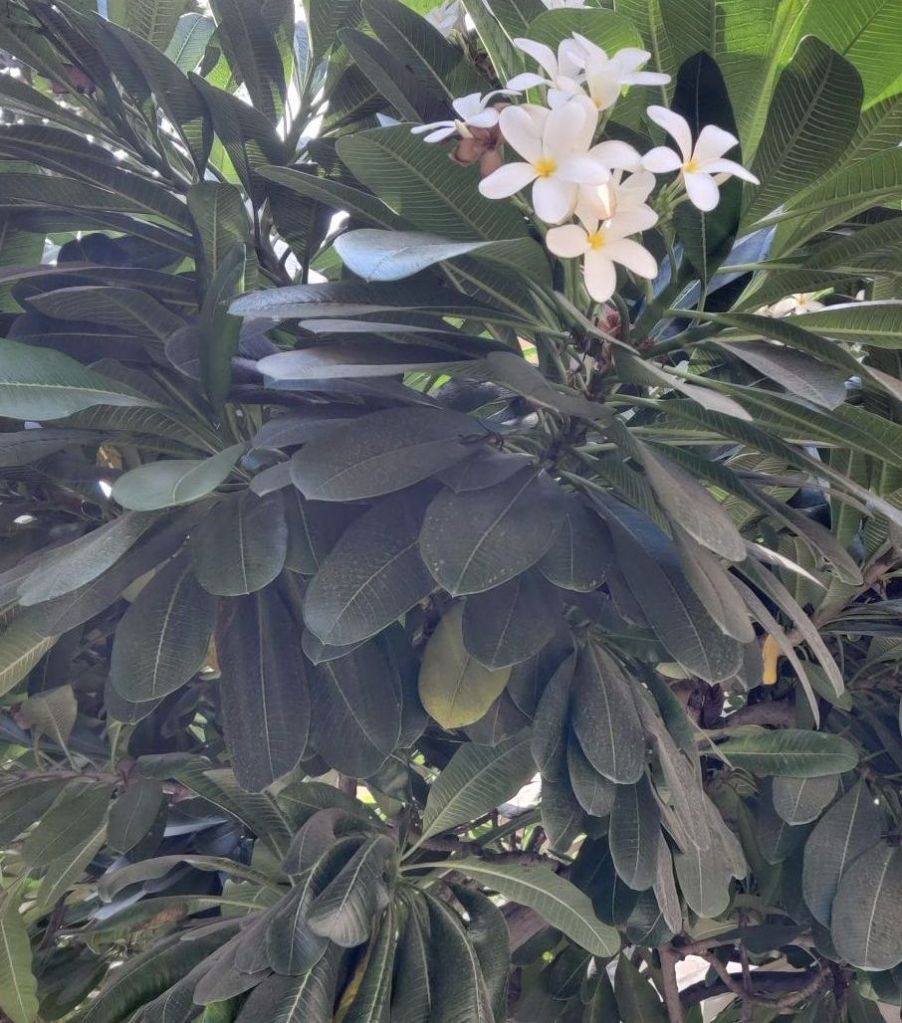
The chameli tree welcomes birds and bees. The delightful clumps of soft white blossoms wink at me morning and evening.

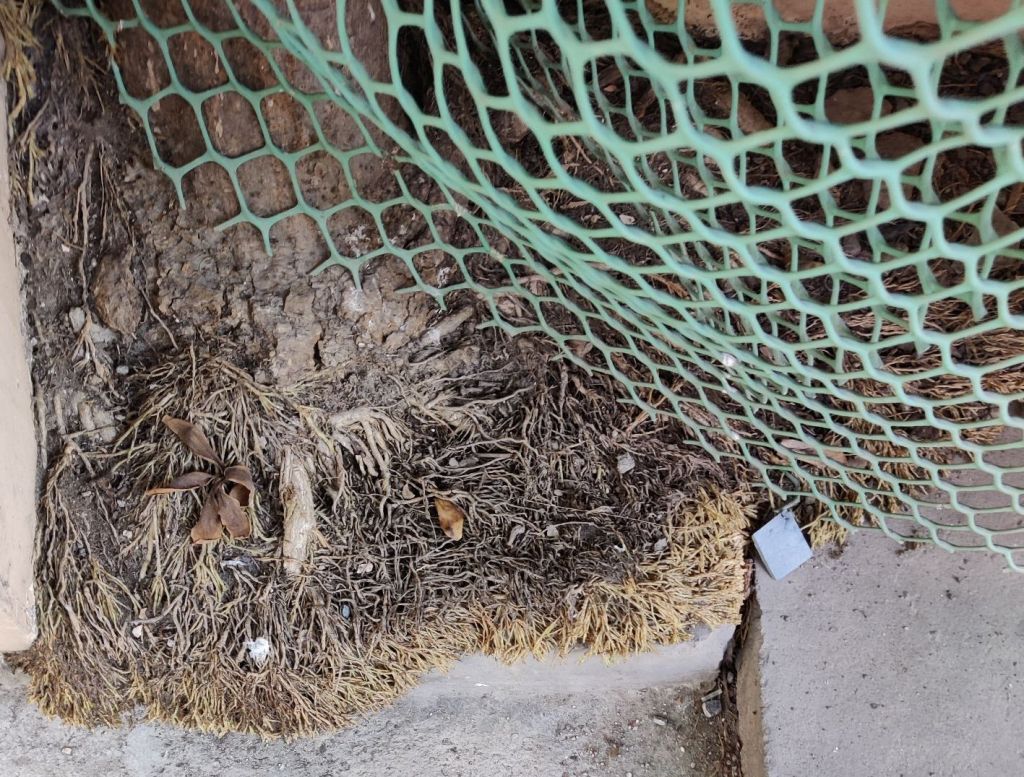
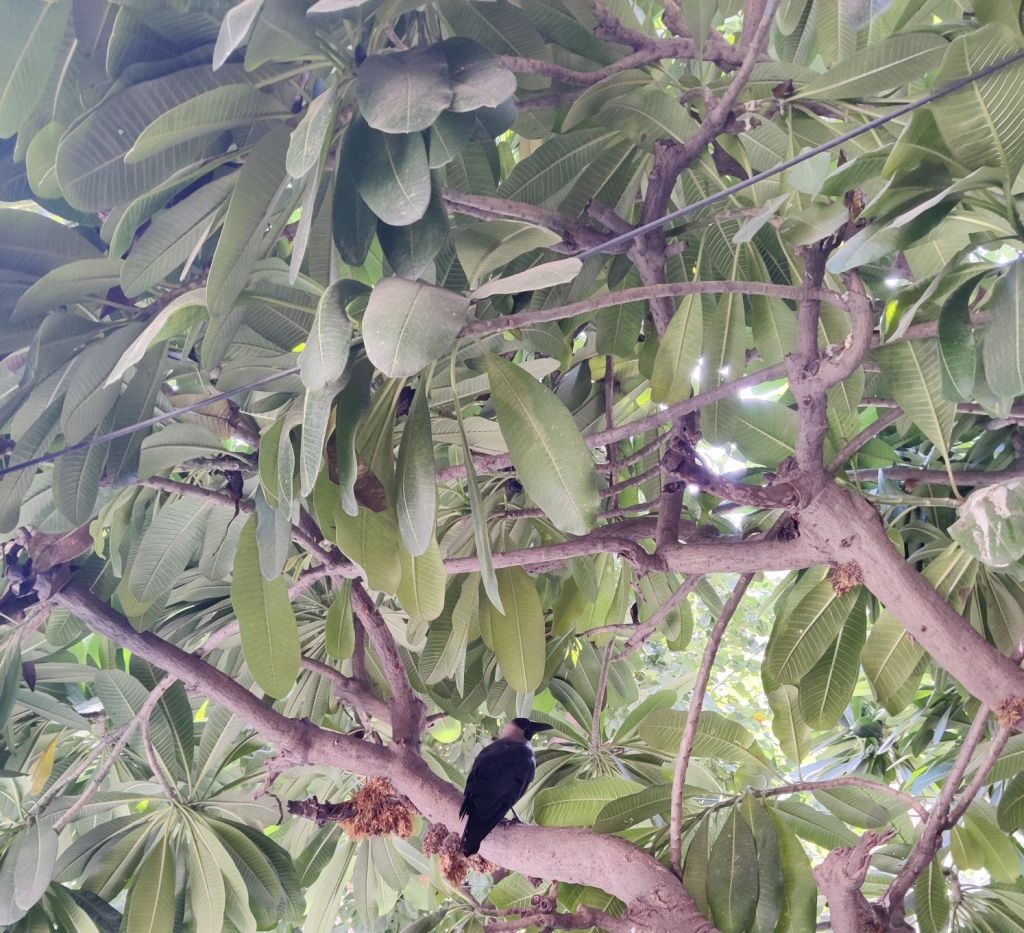
Its roots are spreading outward not getting enough space to go deeper into the earth. Its bending branches push the walls leaving cracks on its body.

The roots have even sprouted from its branches. The gardener says  a branch will erupt from these roots.  He will cut and sow it in the park so that the tree can grow in abundance.

In the meantime, the wall keeps on bulging making it difficult to shut the fence gate.

In Japan I believe they have developed appropriate technology to transport big trees from one place to the other.

I do not wish to part from my tree. But I cannot let it grow in abundance too.

Attachment always brings you to crossroads where you have to choose between what is right and what is easy.

A dilemma I wish I do not have to confront.

Black Beauty


Nature is being too kind and generous to me these days. It’s not spring and I have very few flowering plants. Yet I find butterflies flitting in my balcony and humble garden.

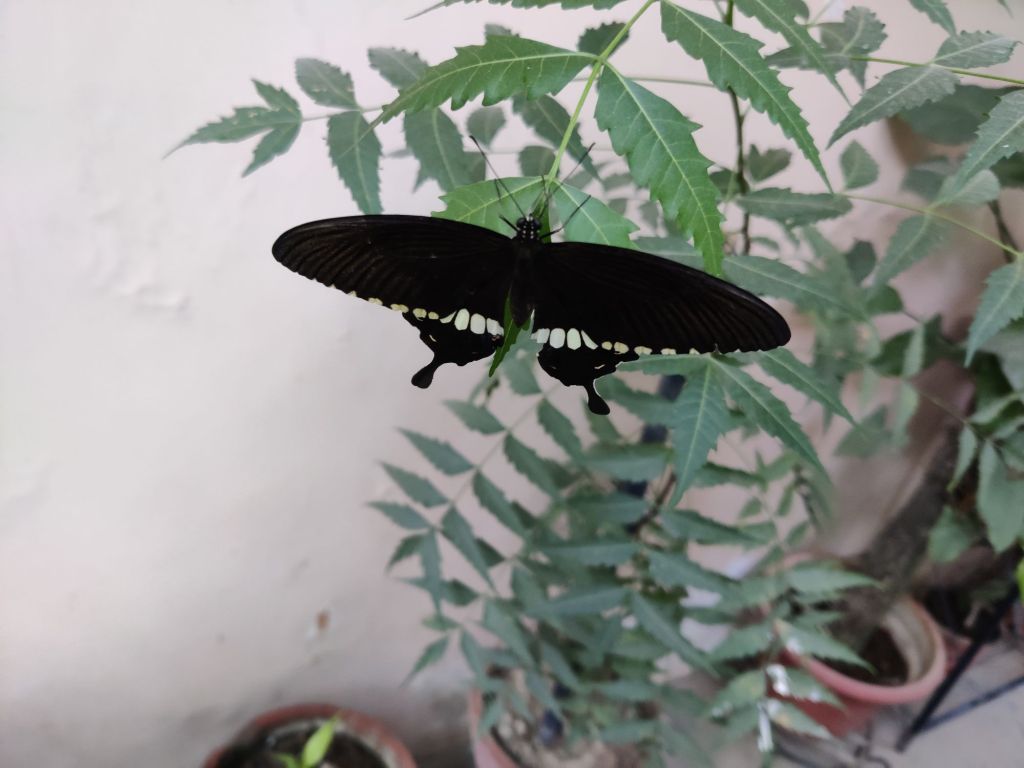
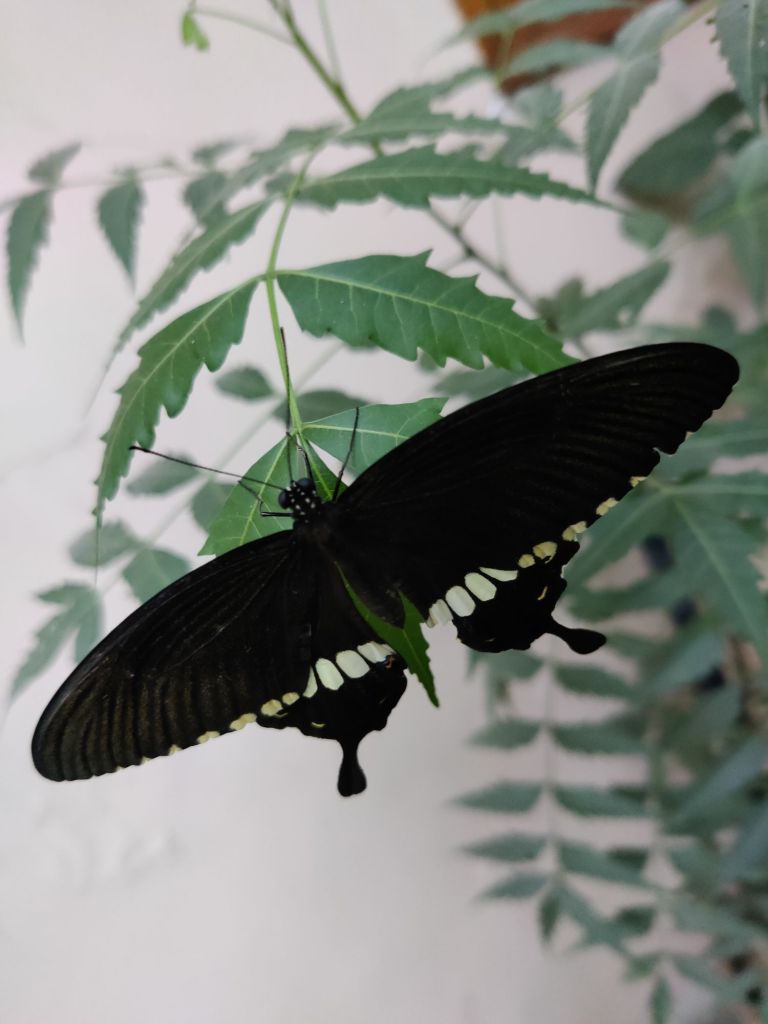
It was evening when I found this Black Beauty on the Neem plant (Azadirachta Indica).

I was surprised because Neem is bitter. Its leaves are very bitter too though they have medicinal value. But the Beauty stayed there wings spread over the leaves.

At first, I thought  it wouldn’t let me take its pic.

But it did.

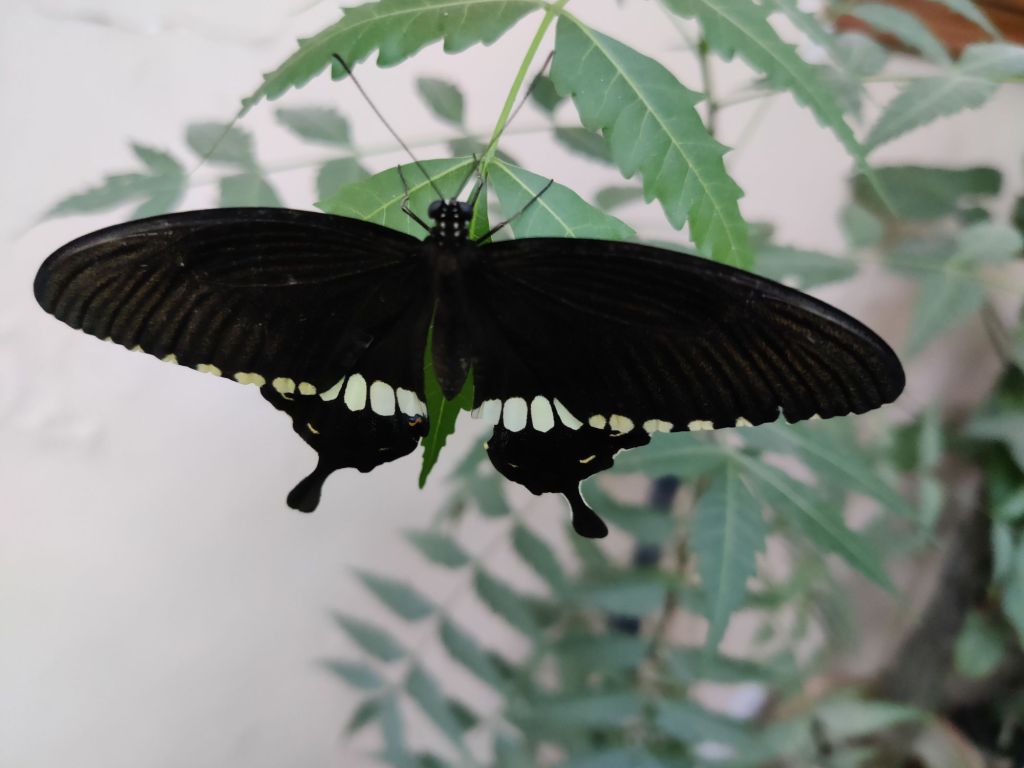
I went up close to click. It seemed to be in a yogic stance and didn’t flutter or fly away. It was still. Quite aware but happy to be photographed. Almost flaunting its beauty.

A few months back we had another bunch of butterflies in the balcony.

I have never seen black butterflies before. Up close it looked amazing. Its body was velvety. The pattern reminded me of black chiffon with an ornamental border.

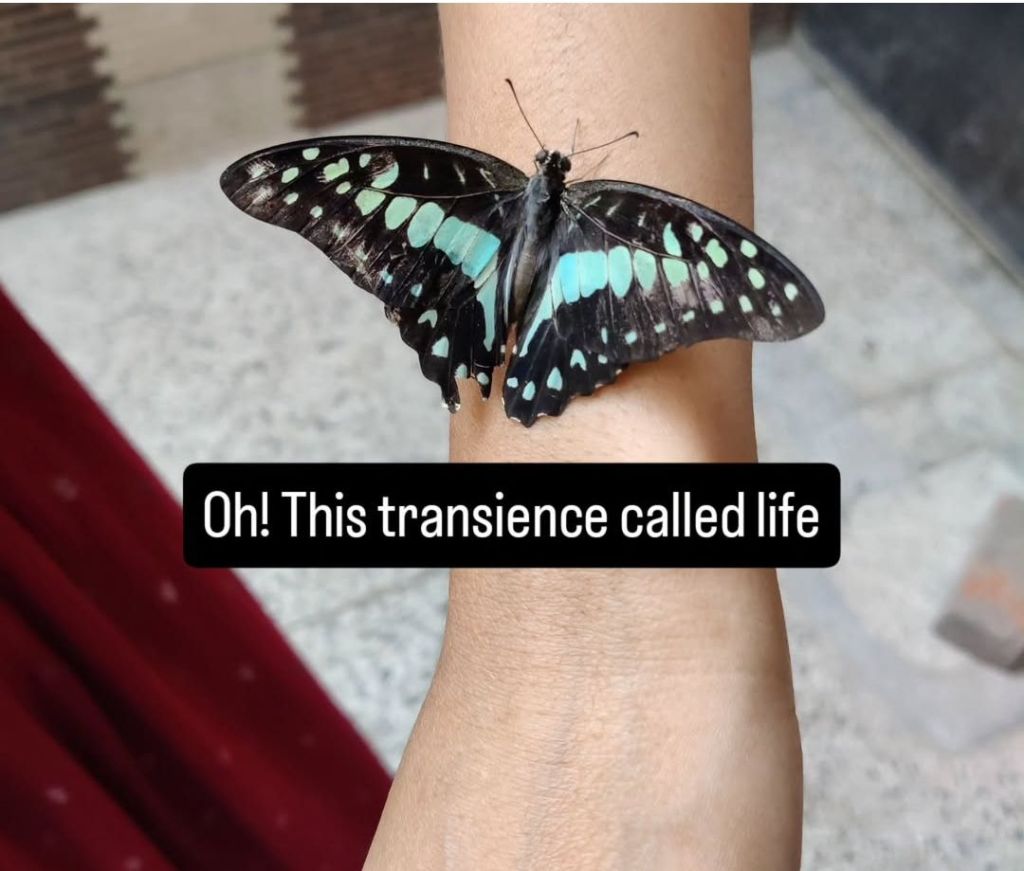
Black butterflies found in India (Indian Swallowtails) are known by different names – Blue Mormon , Common Mormon, Common Bluebottle (Source Wiki).

Searching the net I got this AI generated information on the significance of sighting a black butterfly:

“Seeing a black butterfly generally symbolizes transformation, new beginnings, and spiritual growth, although it can also carry connotations of mystery, inner strength, or messages from the spirit world depending on cultural and personal interpretations. While the color black is sometimes linked to negative symbolism, the black butterfly’s association with change often represents the positive “death” of something negative or the start of a hopeful new chapter.”

I don’t know how much it is to be believed but it did add to my excitement.

Nature’s Gift


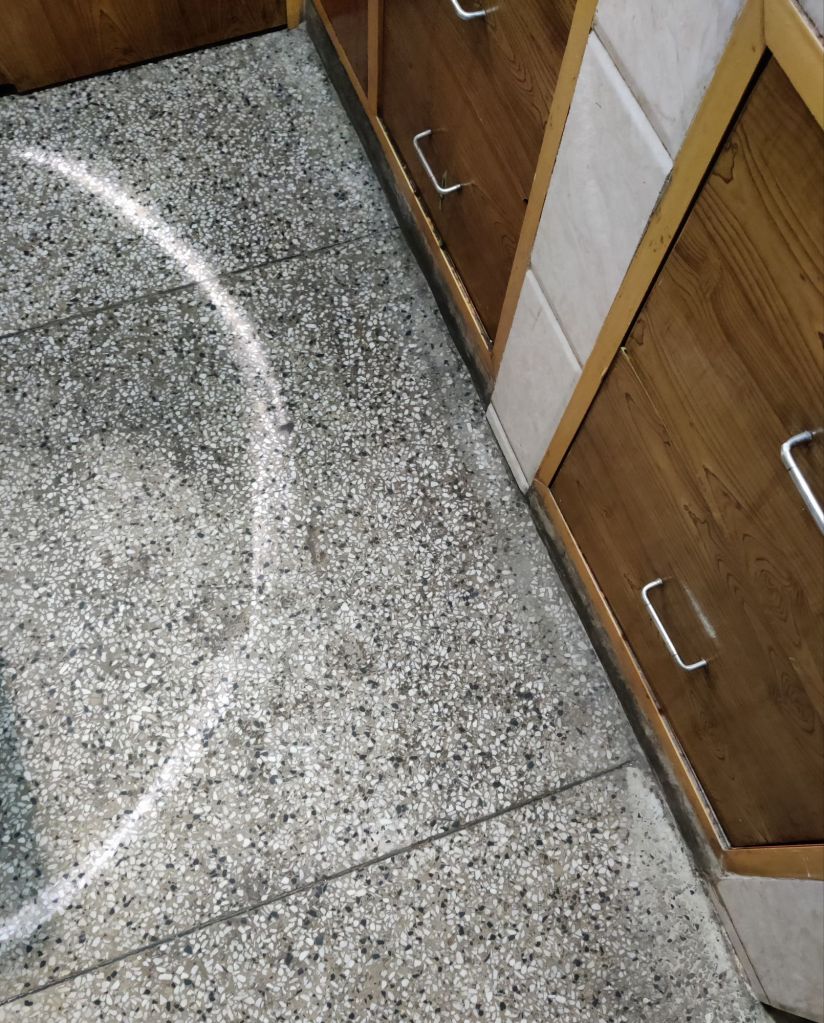
The strip of white in the photo is not a chalk mark but an arc of sunlight pouring in from the window on the kitchen floor.

I was so surprised and also overjoyed to see this phenomenon that I thought of sharing it with you all.

This must be happening every day but I must have missed it. I was in the kitchen at the right time the day before yesterday to see it happening and for once did not forget to click.

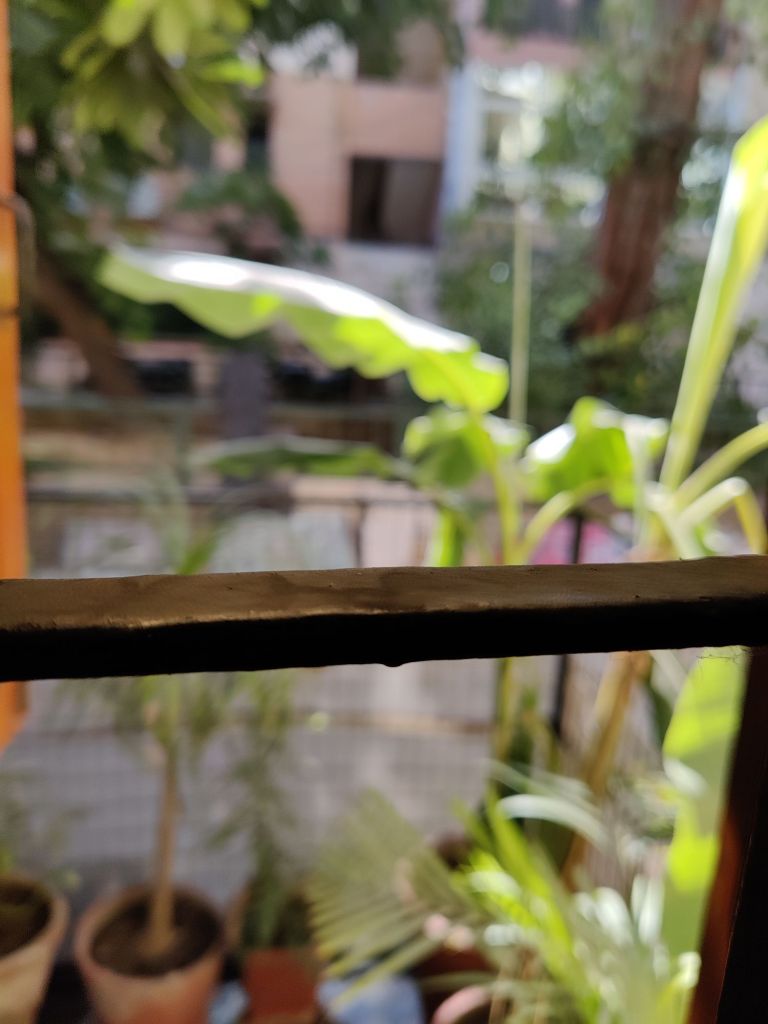
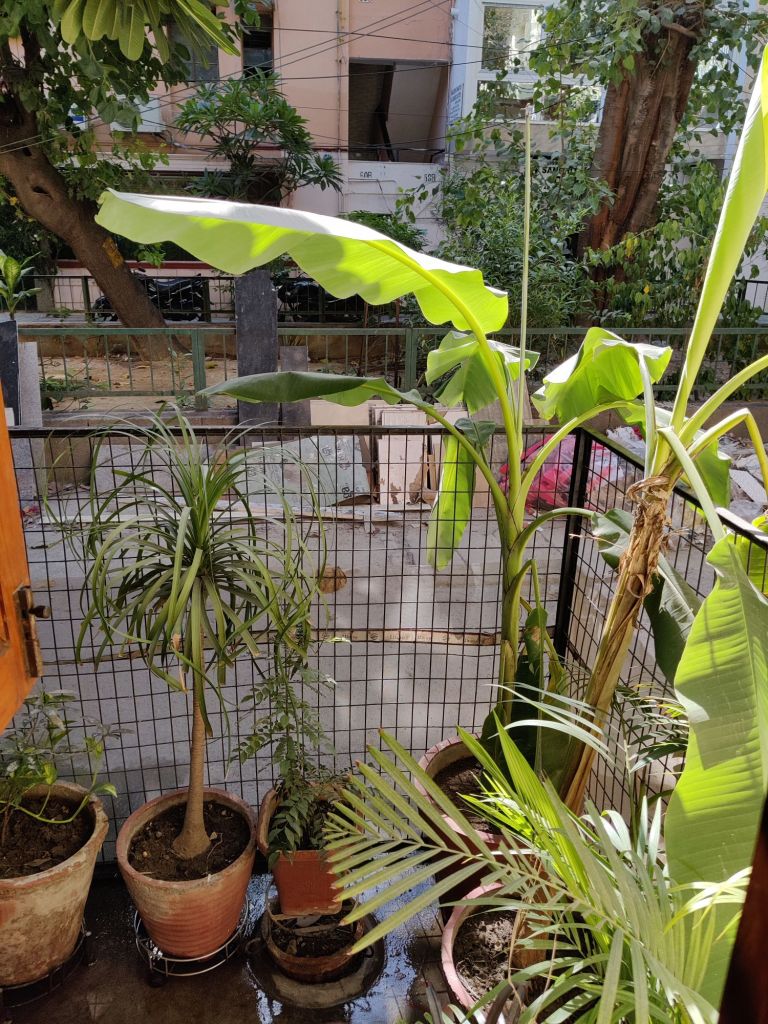
Yesterday I  figured out how this arc of light was being formed. I have potted a banana plant right outside the kitchen window. Its leaves have now grown big and wide stretching towards the window.

The sun’s rays fall on it. When the leaf sways in the gentle breeze the rays refract. First a half arc is formed which then widens into a full arc. I observed it happening yesterday. I could have videoed it. But I was so much in awe that I forgot all about it.

In the urban jungle of concrete mess such sightings are very rare. But when they do happen they seem like miracle. It was such a delightful and refreshing experience!

I

In

Awe

Look

Dazed

Toward

Nature’s

Bounties

Humbled

Realise

Amidst

Cosmos

Alike

Dots

Are

We

.

I tried a Crescendo and a De-crescendo  – poetry format by Luisa Zambrotta.

Thank you Luisa for this amazing format which is not as easy as it appears to be.

Seasons


Summer

blends into

Autumn

blends into

Winter

blends into

Spring

Seasons

blend into

Seasons

without a beginning

without an end

Every season has its own beauty and charm. But we do get stressed and bored if one particular season prolongs except spring and autumn. These two seasons are like hyphens between two extremes – summer and winter.

Summer, in this part of the globe, is scorching while winter is bone chilling. In between summer and autumn comes the monsoons when humidity is the highest. Rains provide a respite after the blaze of the Sun. But this time, it flooded villages and cities leading to enormous loss of human lives, livestock and homes.

Rain is a pluviophille’s delight. It evokes poetry. But prolonged rain disrupts the rhythm of life. An all the time grey overcast sky is depressing too. We want the varied hues of different seasons but we do not want their ceaselessness to punish us.

That brings me to the topic of balance in life. When I was getting trained in classical music I would spend hours doing riyaaz or practice. This used to irritate my mother. Similar would be her reaction when I forgot all other work to finish reading a book. Not because she was against my singing or reading but because I would be focusing wholly on a singular activity at the cost of the others.

Dedication is good. It is productive. It hones expertise. But if one facet of your personality is highly developed at the expense of the others it is lopsided growth and does not augur well. A long time back I had heard a talk by Sri Sri Ravishankar wherein he had emphasized on having a balanced daily routine for overall upliftment of the human mind.

Expertise in any field develops over a period of time, gradually and rather imperceptibly. When you are continuously at one job or study you accumulate knowledge and experience. Experience is not gathered in one day or by hours. Knowledge is gained and experience cumulates over the years through many hits and trials, errors and corrections.

So if you feel you can learn more by sacrificing every other thing in life I won’t say it will be a very wise thing to do. Let the seasons roll by. Enjoy them fully. Let time take its own sweet course to sculpt you into better and more capable beings.

Don’t hurry or hustle. It’s life. It’s not a competition to win a race.

The Cloning Culture


What brands do you associate with?

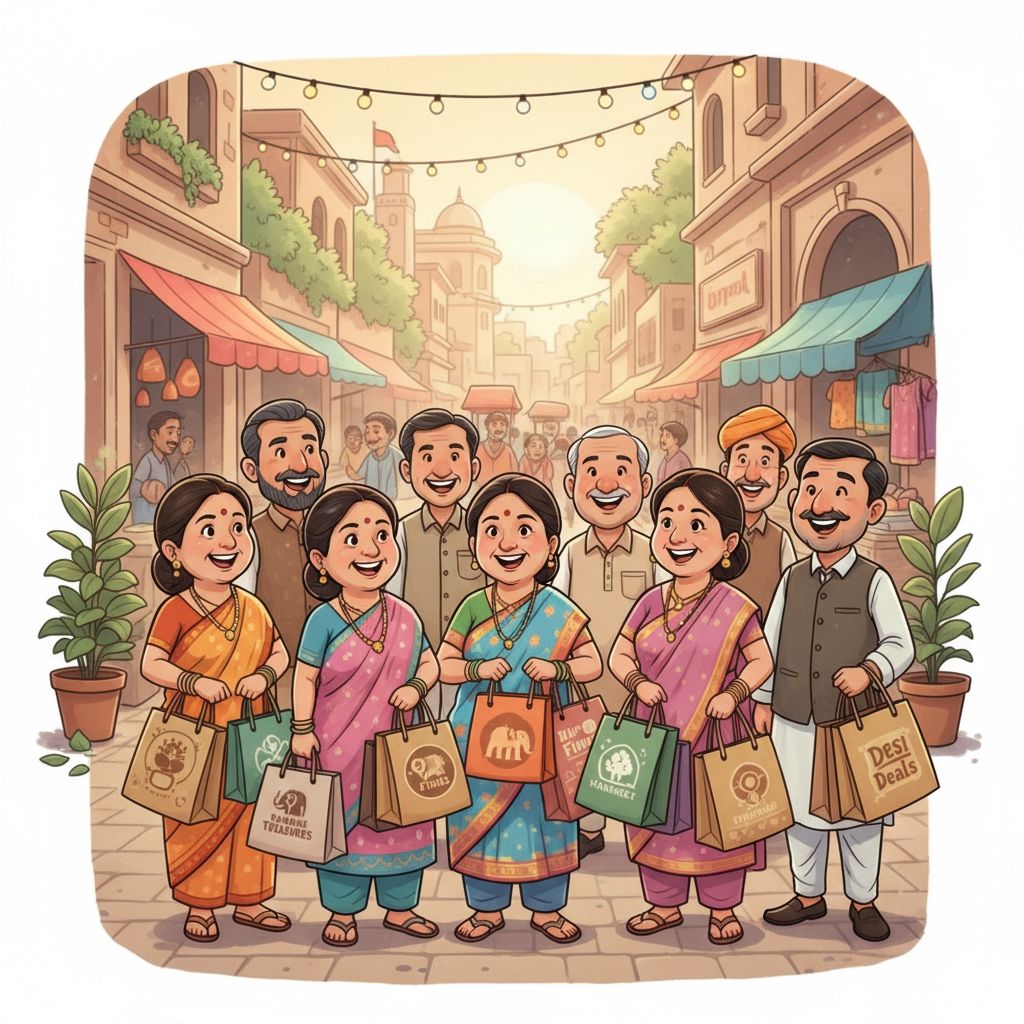
Brands once denoted iconised lifestyle – an out of reach aspiration for the middle class. Brand signified quality, exclusivity and a whopping price tag.

Gradually, the brand makers realized the necessity of a greater outreach. Outlets mushroomed. Products were tailored for a larger segment with procurement power. Soon brand adherence became a culture underpinning the purchase preference of the consumers. 

The make, design, texture and look became brand identifiers. If you possessed one your neighbours were sure to have one (if not more) too.

We are all infected by the techno fever. We all hanker to be the trendsetter. We all suffer from an acute sense of deprivation constantly injected by advertisers.

Having said that, I do use a mix of brands and local makes. Many times I find the latter more cost effective, durable, handy and reliable.

Higher technology invariably ups the maintenance cost. In the race to be one step ahead brands are now enhancing products with multiple technologies which are not always in sync with the environmental conditions. The sales tactic is to brainwash the buyer to believe that without ‘the latest’ life is non-functional.

So what does brand abidance result in ? A quaint solidarity amongst shoppers who think, behave and act in the way they have been fed to expending more on a purchase whose redundancy is guaranteed sooner or later.

Emptiness And Creation


This is in response to Sadje’s Weekly Photo Prompt #Whatdoyousee

double bed

I roll over to

emptiness

The painter

captures the mountains

the sea, the forests

on his canvas

to perfection

His flawless art

brings him applause

accolades and admiration

The Creator

sprinkles a little more

of his creation

in the ever expanding cosmic gallery 

of this universe and beyond to

bewilder and bewitch

the painter

eternally

#Wdsy

Foot Note:

I have responded to both the photo prompts with a haiku and a open verse respectively.

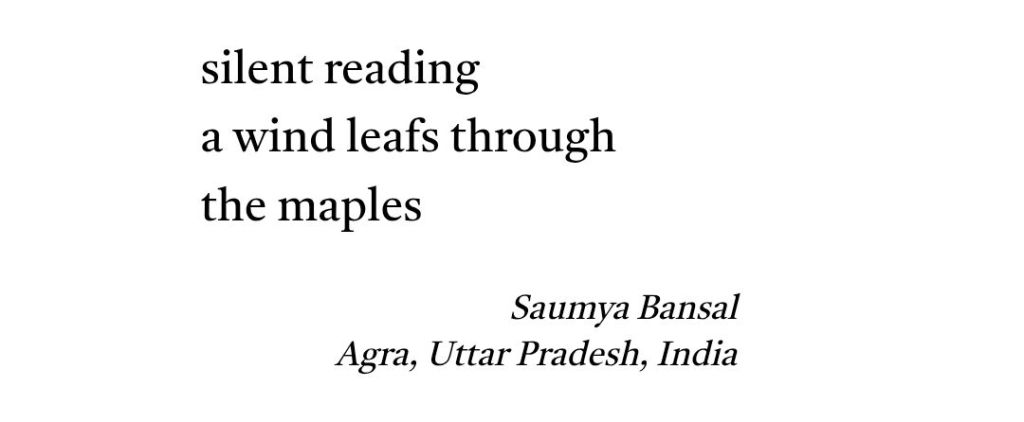
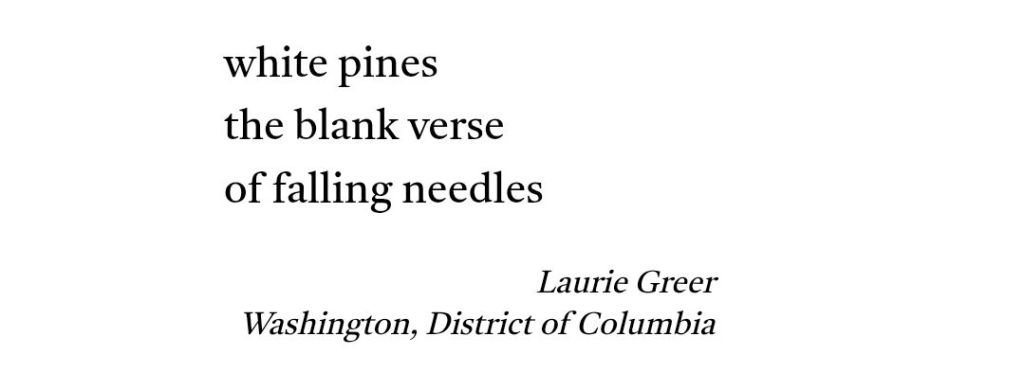
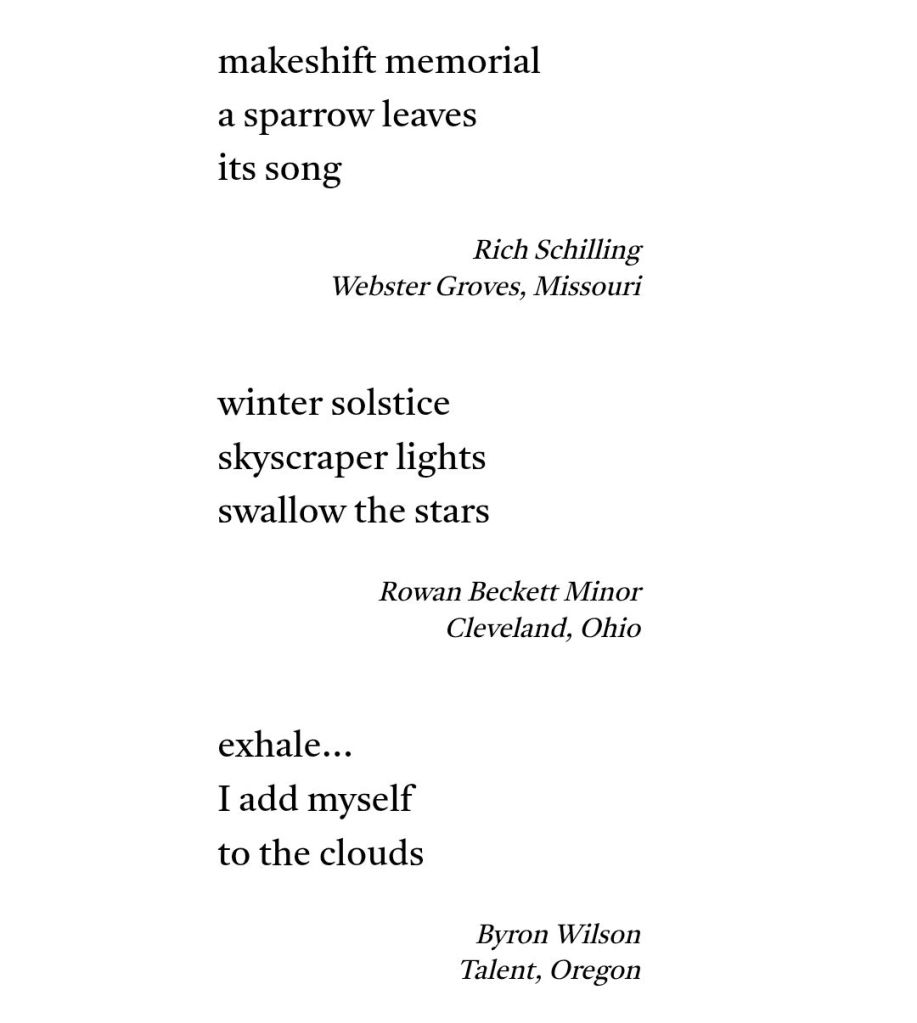
Silence


Savour the overwhelming silence of the unspoken in haiku.

Foot Note : Haiku courtesy The Heron’s Nest XXVII Publication Volume 3 September 2025 .

I’d really be happy to know how you interpret the unsaid in these haiku.

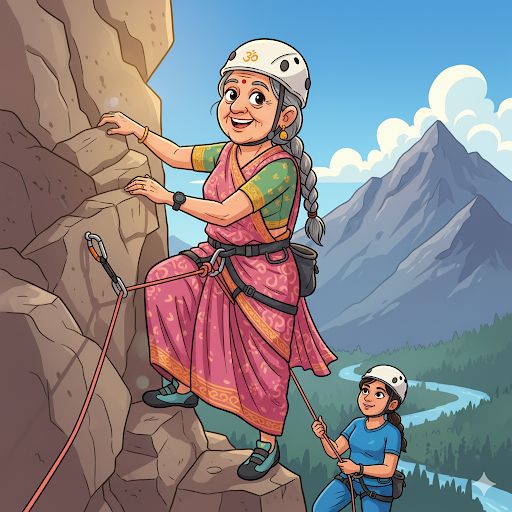
Those Who Defy Age


Social and print media are all abuzz with the news of a talented actress of Indian Cinema ringing in her seventy fifth birthday with a gala bash of non stop singing,  dancing and of course partying including a rekindling of romance with her hubby.

The adage age is just a number is too oft-quoted to be repeated. But what makes me wonder is how age can actually be defied. Is it just pretending to be young and spectacular? Is it by putting up a spirited nonchalance ? Is it by accepting daunting challenges ? Or is it just continuing to do what you have always done quietly like any other day?

For us, ordinary people, achieving personal milestones are perhaps not that remarkable because we hardly talk about it or be talked about. My mother underwent a mastectomy at the age of 82. She had many chronic ailments. We were worried about her recovery. But she bounced back and took charge of the household in no time till dementia sneaked in.

She fought with it as well in her own way. In her progressively reducing lucid moments she kept performing her motherly duties with a robustness which was as heartening as bewildering.

My sister got both her knees replaced, a medical requirement, at the age of 65 and painstakingly went through rehabilitation for almost two years. She now shuttles between Metro cities fulfilling duties of a mother and mother-in-law.

There are many septuagenarians in our  society who live alone and take care of themselves without any external support. There are many who look after their spouses and even grandchildren if their children are in job.

My haiku mentor travels the world over spreading the joy of haiku enthusiastically through workshops, seminars, readings. My former Head of the Department tends to her nanogenarian mother bed ridden after a paralytic stroke.

My school buddies are my role models. One, a computer scientist, suffering from sleep apnoea, has not stopped trekking at high altitude. The other, a Kathak exponent, lives her dream of dancing and teaching. Another is an engineer recently turned practising lawyer.

Are they not defying age ? Is it less commendable if it’s sans pomp and show?

One of my mother’s erstwhile attendants, an elderly lady with a pulmonary disorder, still hopes to continue with patient care which is a strenuous vocation.

One may say that there is a difference between survival and defiance. In this age of all intrusive complexities, I’d say survival itself is defiance. Living healthy, following your passion, conscientiously doing your duties towards family and near and dear ones and refusing to be a burden on anyone or to yourself is what defines aging gracefully.

Humble


See

The branch

Rough, thick, dry

Of the old tree

How it bends

To get a pail of sunshine

A bucket of breeze

A bunch of new leaves

Clumps of flowers

We too need to bow

And bend

To get a new leese

Of life

Are you ready ?