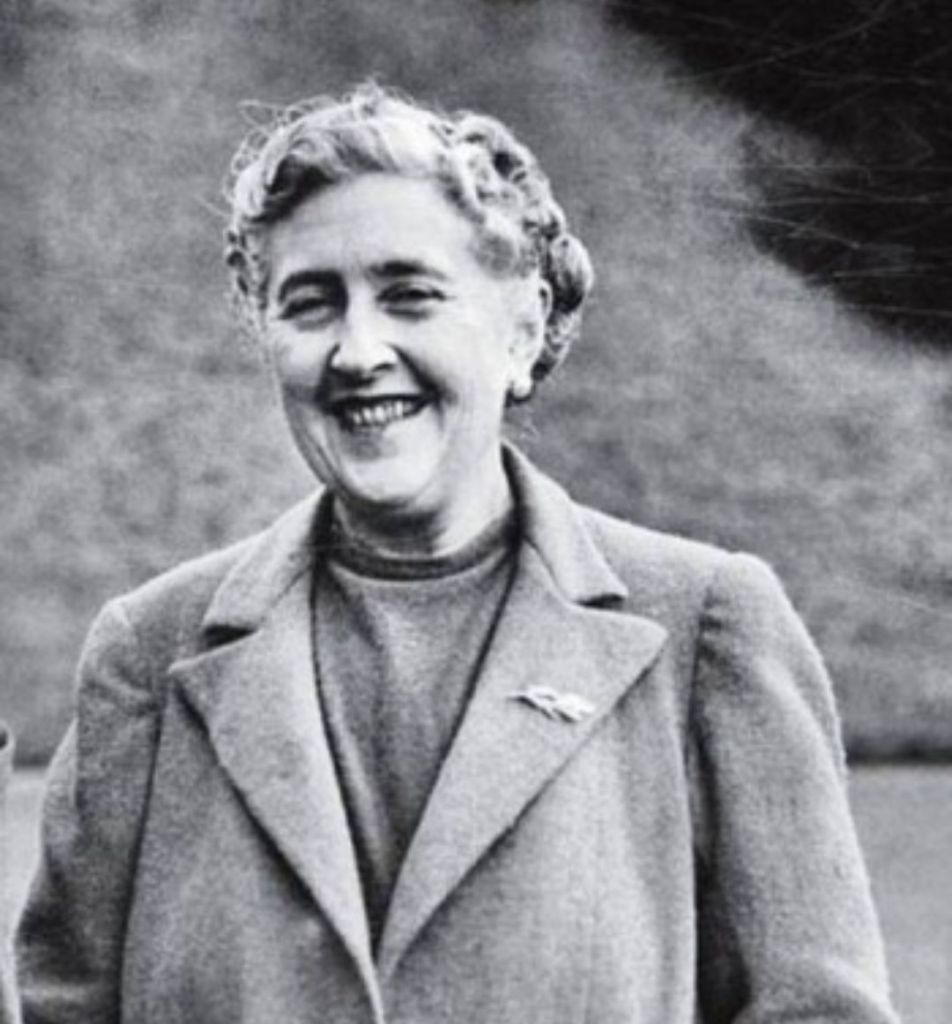
Remembering Christie On Her 50th Death Anniversary


Agatha Mary Clarissa Miller was born on 15th September 1890 in Torquay, Devon. She briefly attended school in Torquay but moved to London to learn music – piano and singing. She wanted to become a musician but her crippling stage fright made it impossible.

Her first published work was in 1901 at the age of 11  –  a poem on trams newly introduced in the London suburb of Ealing. Her first novel, a romance, titled Snow Upon The Desert was rejected by six publishers.

She agreed to marry her friend, Reginald Lucy. But two years into the engagement, having met the dashing young aviator, Archibald Christie, in 1912, she broke off her engagement with Lucy and married Archibald in 1914.

In 1914 World War I broke out. Archibald Christie went to serve in the war. Agatha served as a nurse with the Red Cross in Torquay. By 1917 she had trained in pharmacy, passed the Apothecaries Hall Exam and became a certified Apothecary’s Assistant or Dispenser.

Christie wrote her first Hercule Poirot novel, The Mysterious Affairs At Styles, on her elder sister, Margaret’s urging , sent it to several publishers and was accepted by the seventh (Bodley Head) with the proviso to change the setting of the denouement. The Murder Mystery was released in 1920 to positive review.

In 1926, her most famous and controversial novel, Murder Of Roger Ackroyd, was published which shook her readers. However, it was this year that her mother died and her marriage with Archibald Christie broke down.

The breakdown of her marriage was followed by her mysterious disappearance. Her car was found abandoned miles away. A nationwide search ensued. She was found 11 days later at a hotel, more than 300 kms away, where she had checked in as Theresa Neel. However, she claimed to have no recollection of those 11 days later and doctors, at that time, put her memory lapse down to extreme fatigue and emotional crisis.

In 1929, her comeback novel, The Seven Dials Mystery, was published. The novel has been adapted as a three episode Web Series and is currently streaming on Netflix. This was also the year she married Max Mallowan, an archaeologist, who was 14 years younger to her.

In 1930 her first Ms. Marple book The Murder At The Vicarage was published.

In 1939, on the eve of the Second World War, she published And Then There Were None. The novel reflected the bleak mood of pre-war Britain and went on to become her bestselling work.

In 1947, BBC approached her to write a radio play for the 80th birthday of Queen Mary who was a huge fan of hers. The result was Three Blind Mice which Christie expanded into The Mousetrap. Before its 1952 premier, Christie gifted the rights of the play to her nine year old grandson, Mathew Prichard. It has since become the world’s longest running play, still being staged on West End 73 years on.

She was under heavy tax load due to the volume of her work and slowed down in the tax heavy post war period. In 1955, she formed Agatha Christie Ltd.

In 1971, she was made a Dame of the British Empire by Queen Elizabeth II for her contribution to English literature. However,  Christie was uncomfortable with her celebrity status and led a very private life.

In 1975, Christie authorised the publication of Curtain: Poirot’s Last Case which became a huge success. The New York Times carried a front page obituary of the Belgian detective, the only fictional character to be ever honoured in this manner.

Agatha Christie died peacefully at the age of 85 on 12th January 1976, in Winterbrook, her home in Oxfordshire.

In 1934, while returning after meeting Christie, publisher Allen Lane (nephew of Christie’s first publisher John Lane of Bodley Head) was waiting for a train when he realised that there was nothing there to read at the station. He thought paperback editions of classics might be cheap enough to stack at a railway stall. And that’s how Penguin Books was born.

Agatha Christie has been widely translated in many languages. Her readership cuts across continents. Christie’s creations have found a place in every variant of adaptations in every age reinforcing her relevance even time and again. Mirchi Sunday Suspense has now uploaded the audio version of Christie’s Murder On The Orient Express (1934) in Bangla. The translation is authentic, language is rich and the various characters have been played by acclaimed Bengali actors and actresses. 

A few quotes by Agatha Christie

Every murderer is probably somebody’s old friend – The Mysterious Affairs At Styles (1920)

Curious things habits. People themselves never knew they had them – Witness For The Prosecution (1953)

I know there’s a proverb which says ‘To err is human’ but a human error is nothing to what a computer can do if it tries – Hallowe’en Party (1969)

I’ve a theory that one can always get anything one wants if one will pay the price – The Secret Of Chimneys (1925)

****

(Source : Hindusthani Times Wknd dated 25th January 2026)

The Bungling Bakers


This is in response to Rochelle’s Weekly Photo Prompt for Friday Fictioneers.

Word Count : 100

A flurry of excitement.

Inauguration of the new electric oven.

Elaborate arrangements made to bake a cake.

Oven preheated

Half a dozen eggs slithered in melted butter.

Flour added ladle by ladle.

Soaked raisins and chopped nuts tossed in

The batter just ready to be placed in the oven.

“Oh! We have forgotten the powdered sugar!” Cousin shrieked.

He hurried to get the bottle.

A delicious aroma filled the kitchen.

The timer rang.

Let’s bite into a piece.

Ugh!

What’s this?

Why did it taste salty ?

**

Word Count : 86

You can read the other stories here.

Fake


In response to Sadje’s Weekly Photo Prompts on #Whatdoyousee.

Early in the morning opening the Newspaper I was greeted with an unusual advertisement.

It said :

On Sale

Love

Hope

Passion

Courage

Happiness

Luck

Money

Take What You Need

I dialled the number given at the bottom in a hurry. On the third ring a voice replied suspiciously groggy…perhaps a bit tired too. I asked how to go about the transaction. His terse reply: “Sold out,” took me by surprise. I exclaimed in a huff ,” It’s not even minutes, Sir…!!!”

He said ,”So what ? You are mistaken…What you get is only a bouquet of illusions like mirage in a desert; reflection on water; rainbow on the horizon. Just admire from afar but don’t even dream to acquire”

“Then why?” I cried, disillusion setting in.

“Oh that!” His nonchalant reply, “It’s just to make you realise you’ve got to live hoping for them – a secret mantra merely to survive!!”

#Wdsy

My TBR Of 2026


What books do you want to read?

Goodreads says to firm up my reading challenge for 2026. Now if reading becomes a challenge then what fun ?

I neither want to set any deadline nor the number of books I have in mind to read. I have decided to go slow savouring every page, every word, every line of what I read this year.

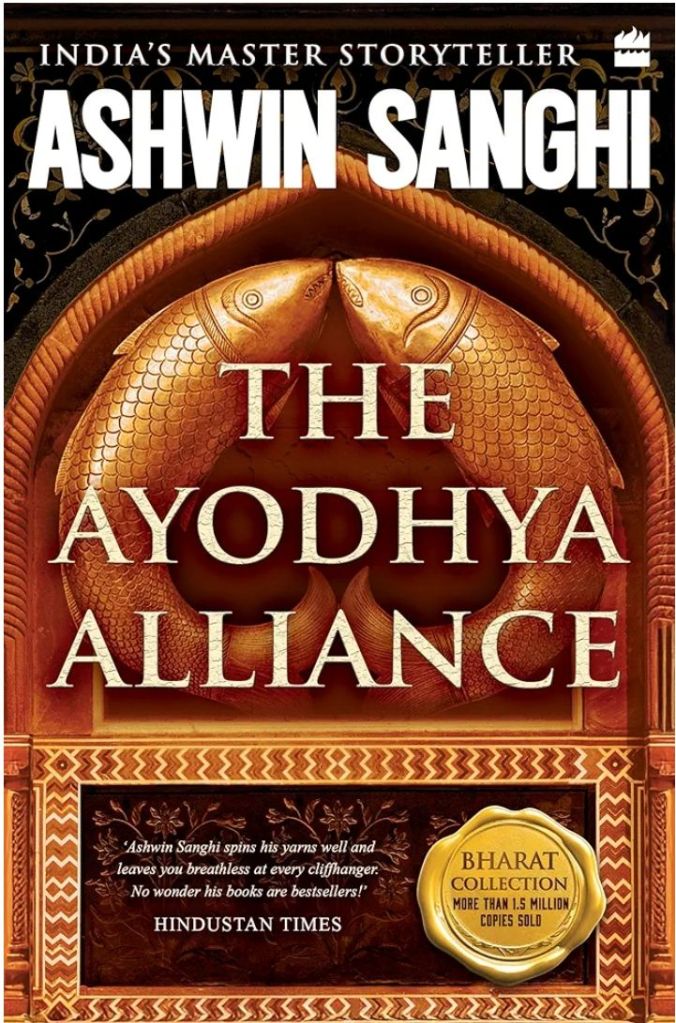
Having started with the wrong choice about which you all know I am now into an engrossing mythological thriller which has history, unknown facts and an intriguing plot. I am talking about The Ayodhya Alliance by Ashwin Sanghi.

The next in line is Dr. Joseph Murphy’s bestselling work The Power Of Your Subconscious Mind – a book that holds the secret of how to use the human potentials to the maximum.

The Atomic Habit by James Clear is lying on the bookshelf for long but I want to read it in a different way – little by little trying to mould my habits side by side.

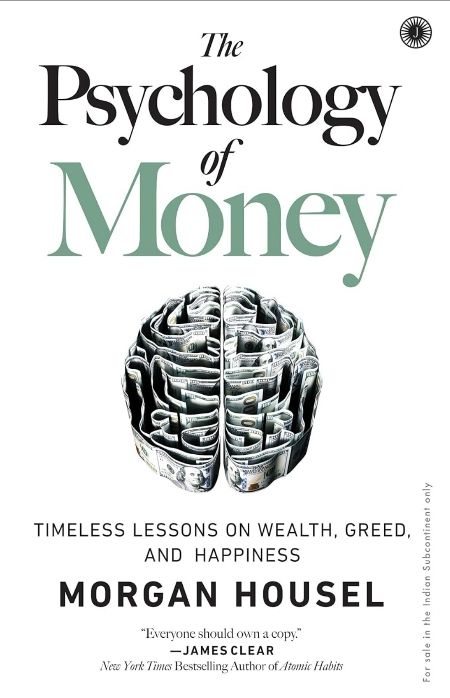
The Psychology Of Money by Morgan Russel is a suggested read for a long time. I hope it makes me a little more savvy with regard to investments and finances.

I have thought of giving a second reading to some books. A few children’s books and audio stories too. Two half read Bangla books. One or two in Hindi are also in the pipeline. And those midway on Kindle…Ooo! I think I will be quite busy this year!!! 😂😂

At present, I am listening to Christie’s Murder On the Orient Express in Bangla. The adaptation is really an honest attempt strictly in line with the original.

Books on poetry are choices of impulse which snuggle in quietly. Though I don’t have any one particular in mind I am sure they will come along in the course of reading.

Also, some very interesting suggestions have been made by my co-bloggers on the post where I ranted about the wrong choice  mentioned earlier. I have them on my TBR too.

So traa-laa!!

Happy Reading!!!

From Pexel

Those “License Days” And The Irreplaceable Radio


Recently an Insta reel of Sohail Hashmiji opened the floodgates of memory.

He recalls, in the reel, how in the days of yore it was mandatory for the owner of radio/transistor radio to hold a licence (BBL or Broadcast Receiver’s License) and periodically renew it.  

Since, technically the radio could also be used as a wireless receiver  to transmit and receive messages the possession of a licence was therefore necessary.

This rule came in force during the British Raj  and continued thereafter too, which according to Hashmiji, was illogical because after independence radios were only used for the purpose of entertainment and listening to the news (local, BBC) etc.

I remember my father once showing a small white booklet , almost like the erstwhile bank or Post Office pass book to us. It was the License Book that Hashmiji refers to and had to be renewed yearly by paying a stipulated sum of money. Much later, I guess the rules were modified and the licence and it’s renewal were no longer required.

We had a radio of Bush Company. It had  knobs and an internal aerial and a green ‘cat’s eye’. The knobs had to be wound to catch the ‘station’ at the right frequency.  The cat eye was the indicator to show whether the aerial had caught the signal. At the wrong or weak frequency  sound got lost or distant or had a lot of disturbances. The transmission got affected in bad weather too when it was hard to catch the correct frequency.

My sister recalls the radio in our maternal uncle’s (Mamu). It was of Murphy Company. The knobs perhaps had stopped functioning but my cousins could still get some sound out of it by thumping  hard on its sides and the top. 😂😂

Those were the days when television was unheard of. Later black and white TV did make an entry but only few households could afford it. Even radio was beyond the means of many. In those days a radio, a transistor or a fridge was a once-in-a-lifetime purchase and continued functioning without any glitch for years/generations.

We were allowed fixed times for listening to the radio that too at low volume – after completing daily homework or on quiet afternoons when Babuji  was not at home or late at night (i.e. between 9 and 10 PM) or specific programmes which were enjoyed by the entire family. I remember waiting for those pre-approved time slots – listening to Chhaya Geet , Binaca (later Cibaca) Geet Mala, Jai Mala (aired for the benefit of the Armed Forces), Hindi plays on Hawa Mahal and English songs on Mondays and Fridays. The name of the programme was I think Listening To The Grooves or something like that.

Sometimes while winding the knobs we were lucky enough to catch Radio Ceylone or Aakashvani Kolkata. And what excitement that would be especially on Mahalaya day (days before Durga Puja) early in the morning at 4.00 AM to listen to the one and a half hour programme welcoming Maa Durga as Mahishasuramardini.

Whether radio or TV , both were considered causes of potential distraction that could lead youngsters astray. That is why their use was strictly monitored by the elders. A loud,  blaring radio was disruptive for the family where the other members might be engaged in more serious activities. The concept of individual space and privacy had not entered our dictionaries. Headphones and earphones were merely figments of imagination (probably they came in vogue with Walkmans). Emphasis was laid on reading the newspaper, school books and books which would enhance general knowledge and  engage in introspective discourses.

But youth is always looking for temptations. So did we. In today’s age of global exposure through the internet or the ubiquitous mobile phone which enables loads of wanted and unwanted information on feather-touch, the license for possessing a radio and strict parental control to listen to it, which could only connect to limited portals of infotainment, may seem amusing.

My cousins had a fine collection of vinyl records (LPs and EPs) of the latest English and Hindi film songs. So we looked forward to hearing those songs on the radio too.

Listen to this song by Nancy Sinatra and Lee Hazlewood which we often played on the record player as well as listened on the radio.

Footnote : Sohail Hashmi, brother of Safdar Hashmi,  is an oral Historian of Delhi , social activist, filmmaker and heritage conservationist. He is known for his immersive Delhi Heritage Walks conducted to introduce the citizens, especially children and students, to the city’s history, people, food, architecture and culture. 

Seeds


This is in response to Esther’s Weekly Word Prompt.

This week’s prompt is : Shapes

Seeds

I carry many seeds within

Seeds of my soil

Seeds of my roots

Seeds of my soul

Each seed blooms redolent with fragrance

Imbued with hues unseen, unimaginable

I at times wonder

Whether these seeds shape me

Or I endow them with shapes

Hitherto un-envisaged , undecipherable

I carry many songs within

Songs of my heart

Songs in my thoughts

Songs on my lips

They burst into harmonious symphony

Making the birds chirp

Making the wind waltz

I wonder from where do these songs arrive

From the soil of my land ?

From the roots of my birth ?

That nurtured me, nourished me

Or from my heart ?

Which carries pagan tales

Or from my soul which “marches on”

Even when I am in broken shapes

Even when I recede into silence

(The phrase “soul marches on” is taken from one of Swami Yogananda Paramhansaji’s spiritual poems.)

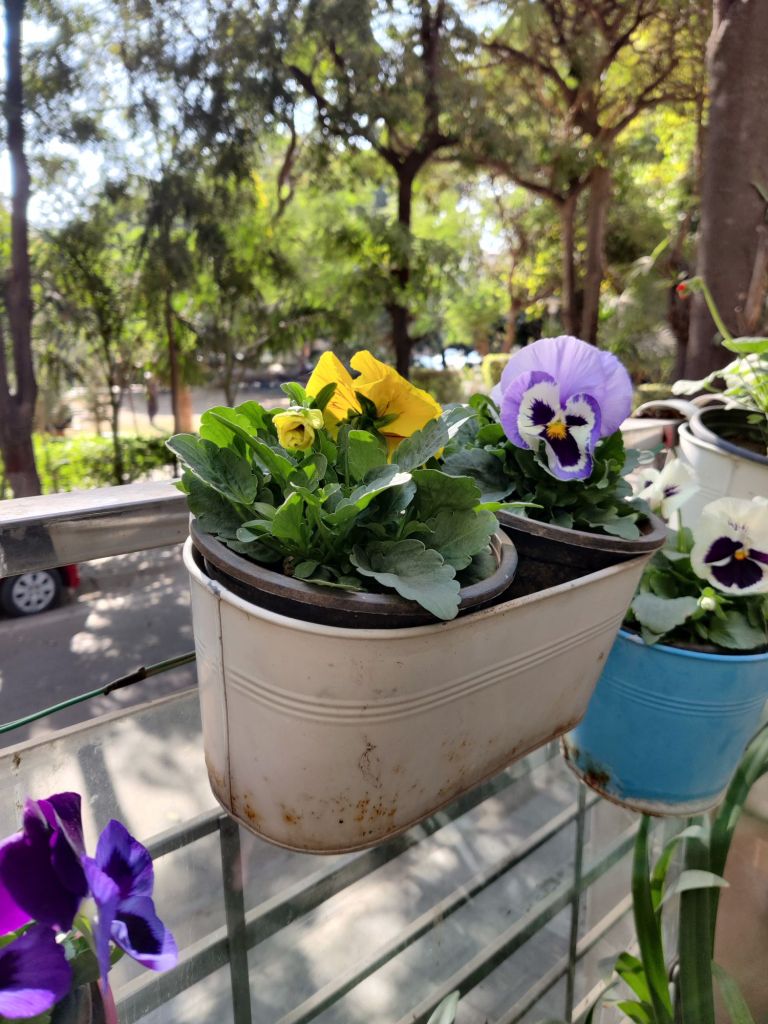
This picture is from my friend’s sunny verandah.

Since the poem talks of music and roots listen to this soothing Santoor recital by Late Pandit Shiv Kumar Sharma  in Raga Hamsadhawni.

Pandit Shiv Kumar Sharma is a Santoor maestro of India. Santoor is the traditional instrument of Jammu and Kashmir which was introduced by Panditji for playing Indian classical music.

Raga Hamsadhwani is a beautiful Raga borrowed by Hindusthani Classical Music (North Indian tradition of music) from Carnatic Classical Music (South Indian tradition of music). Hamsadhwani means  the Song of the Swan and  is a  happiness inducing raga. It’s one of my favourite ragas too.

Missing !!


This is in response to Rochelle’s Weekly Photo Prompt for Friday Fictioneers.

Word Count: 100

He had to finish all his office work before he left.

He didn’t know when he would return.

The trip to the remote annual village fair would take more than a day. 

Plus the time he would have to spend there.

His yearly mission…

To look for his son who had gone missing twenty five years back at the fair.

Every year he hoped to be reunited with him.

Every year he returned a little more heartbroken.

Word Count: 77

***

Author’s Note :

This flash fiction is based on a  true story.

When I was working in Kolkata (then Calcutta) I came to know of this heartbreaking story of a fellow commuter. He was a frail, middle aged  man who was often absent from work looking  for his son who had gone missing when he was a little boy.

I have mentioned the village fair as the place of incident here. But the poor man would go looking wherever he heard of any unidentified boy located/found by the cops or public.

We happen to read such stories or see it in movies but what it is for a tormented soul whose entire life is given to such a hopeless search!!!

I did not want to utilise this forum for sharing such sad stories . But isn’t it strange that while we writers weave stories around our imagination for some those imaginary situations are poignant reality.

Truly, life is stranger than fiction.

—-

You can read the other stories here.

The Goddess In White


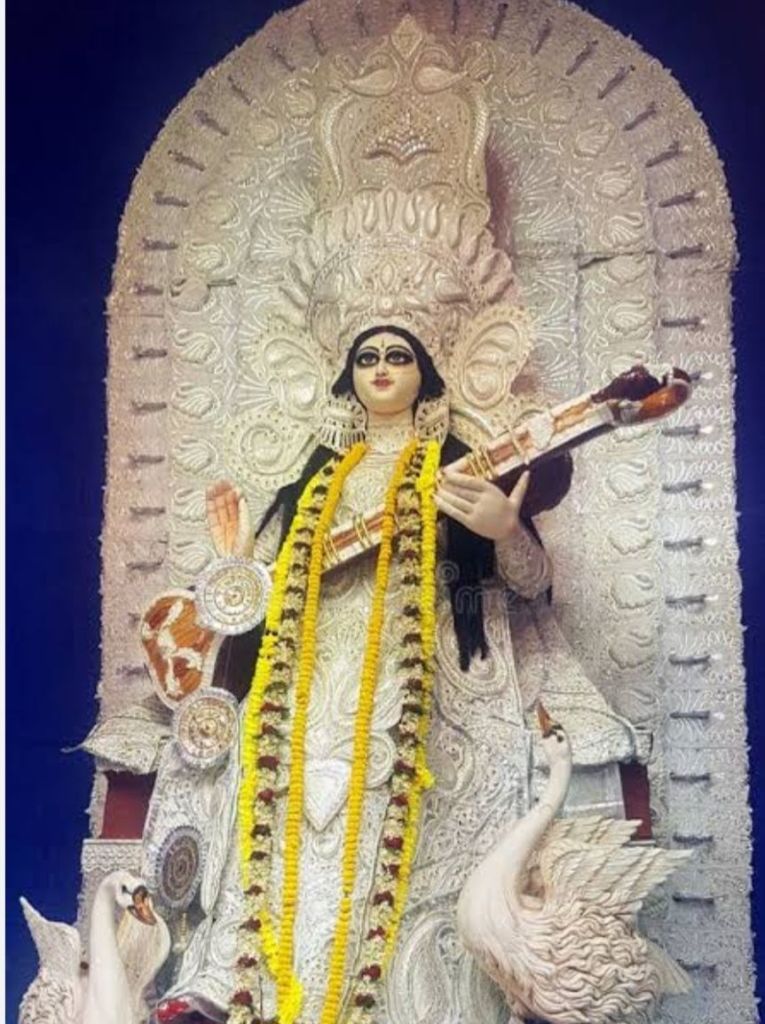
Today is Basant Panchami – the beginning of spring. For Bengalis it’s the much awaited Saraswati Pujo – the day Maa Saraswati or the Goddess of Knowledge is worshipped.

The colours associated with Maa Saraswati are white or yellow (symbolising spring). She is, therefore, worshipped with white/yellow flowers and sweets of the same colour. The bhog or prasaad is either white pulao with vegetables or yellow khichuri.

The Lady in White or Mother Goddess Saraswati is also  a symbol of purity and erudition. She is a virgin beauty unattainable and pious. She is said to have a royal temper too. I guess she is impatient with stupidity and arrogance.

In Kolkata, we used to have Saraswati Puja at home the big way i.e., placement (and after the puja visarjan or immersion) of the deity, inviting the priest to do the pujo and preparing and offering the home cooked (by my mother and grandmother) bhog prasaad.

Here, for various reasons, I have minimised the rituals to offering flowers, sweets and prayers to Maa followed by a visit to the nearest pandal (community worship) where I offer Pushpanjali and partake of the bhog.

But it’s been raining relentlessly since last night which has dampened the celebratory mood considerably as it means no visit to the pandal.

Coming back to childhood memories, Saraswati Puja quintessentially meant leave from studies. We are supposed to place our books, notes and pens at Maa’s feet for her blessings. Otherwise, we were told Maa would get angry. And I was really very scared of that. I believe this is to give a breather to the students who are deep into academics. But what about those like me who always looked for excuses to not study? Maa, in all her glory, is there for all – the devouts as well as the truants.

The other thing which made this day special was the saree (white or yellow) I got to wear, of course, borrowed from my mother’s wardrobe. By now, I guess, for the youngsters the thrill of wearing a saree has waned. 

It is also customary for parents to give haatey khori to their kids on this day sitting at Maa’s feet. Haatey (meaning hand) khori means a kid learns to write the first letter of the alphabet on a slate/paper/leaf with traditional quill or khori/ chalk or pencil aided by the priest and the parents.

There used to be another ritual of trimming the girl child’s hair on this day with a silent wish so that her hair grows longer like Maa’s. I do not know whether this ritual is still practised.

We have to start the day next of the puja by writing “Om Sri Sri Saraswatwai Namah” three times in our notebook before getting back to routine.

For a Baangaali how can puja be complete without pet puja or satiating the stomach. So, the ritual is to have khichuri with joda ilish, i.e. a pish-pash of rice and lentil with a pair of Hilsa fish. Hilsa is a delicacy, rather astronomically priced and almost unmanageable to eat because of its fine bones. My mother was once hospitalized because a bone got stuck in her throat which refused to come out!!

Anyway, overcome by memory pangs, I have altered my dietary schedule of the day slightly. I had breakfast with bathua ka parantha with dhaniya imli ki chutney. For lunch I am going to make something which I have not made for years. So I am keeping my fingers crossed. 

A Sanskrit shloka has been playing on my mind since morning :  विद्यां ददाति विनयं विनयाद् याति पात्रताम् । पात्रत्वात् धनमाप्नोति धनात् धर्मं ततः सुखम् –  which essentially means knowledge brings humility, humility, brings worthiness,  worthiness brings wealth, wealth brings righteousness and righteousness brings happiness.

In tandem with the shloka, the lyrics of Sahir Ludhyanvi’s soul stirring bhajan (prayer song) expresses it so aptly

ओ सारे जग के रखवाले /O saarey jag ke rakhwale

निर्बल को बल देनेवाले /Nirbal ko bal dene waale

बलवानों को दाता/ Balwaanon ko data

देदे ज्ञान/ De de gnyan

O The Protector of this World

Who bestows strength to the weak

Do bestow enlightenment to the strong

I pray Maa bestows on us her blessings so that we seek the path of enlightenment with humility and submission and utlize her gift of knowledge for the betterment of this world.

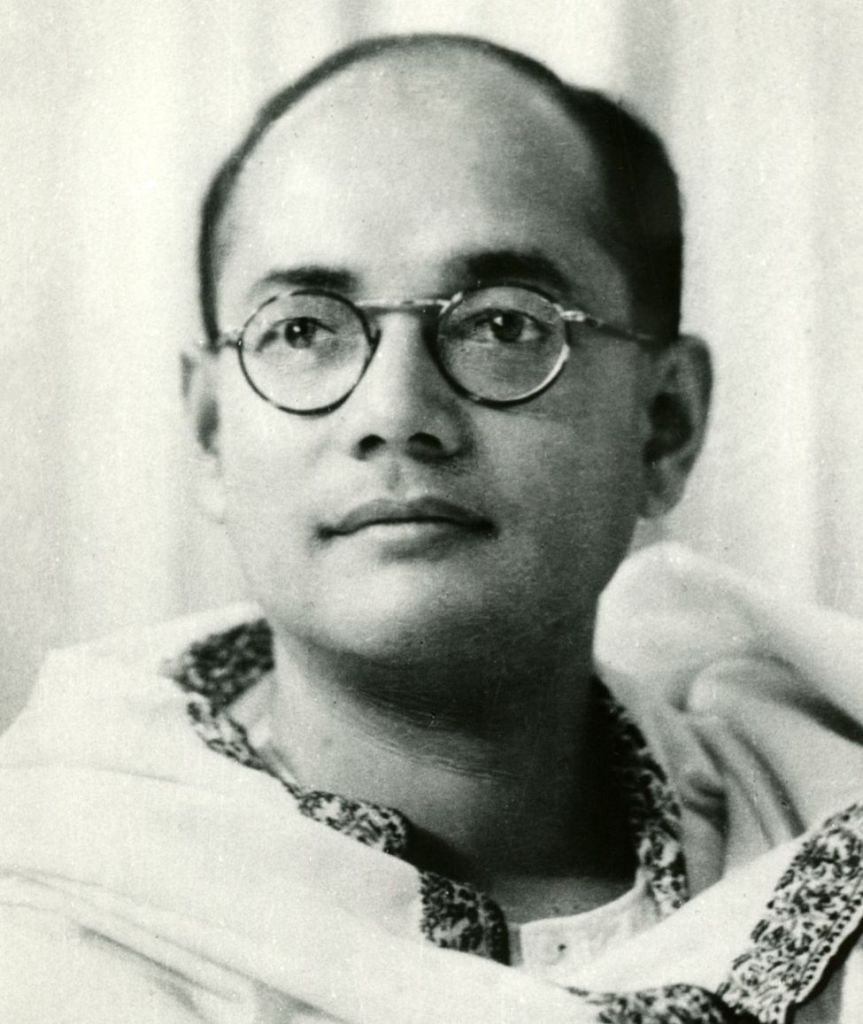
Today is also interestingly Netaji Subhash Chandra Bose’s birthday. Netaji,  academically brilliant,  was the first Indian to pass the very tough Indian Civil Service or ICS exam in the year 1920 but left the administrative services in 1921 to fight for the independence of his motherland. He was an astute strategician, a magical orator and a charismatic leader. Though his life is surrounded by enigma and controversy yet his contribution to India’s freedom struggle against colonial rule is legendary.

Pics from Pinterest and Google

A Haiku


This is in response to Sadje’s Weekly Photo Prompts on #Whatdoyousee

beach surfing

my toe curls around

a grain of sand

#Wdsy

Wordless Wednesday (21/01/2026)


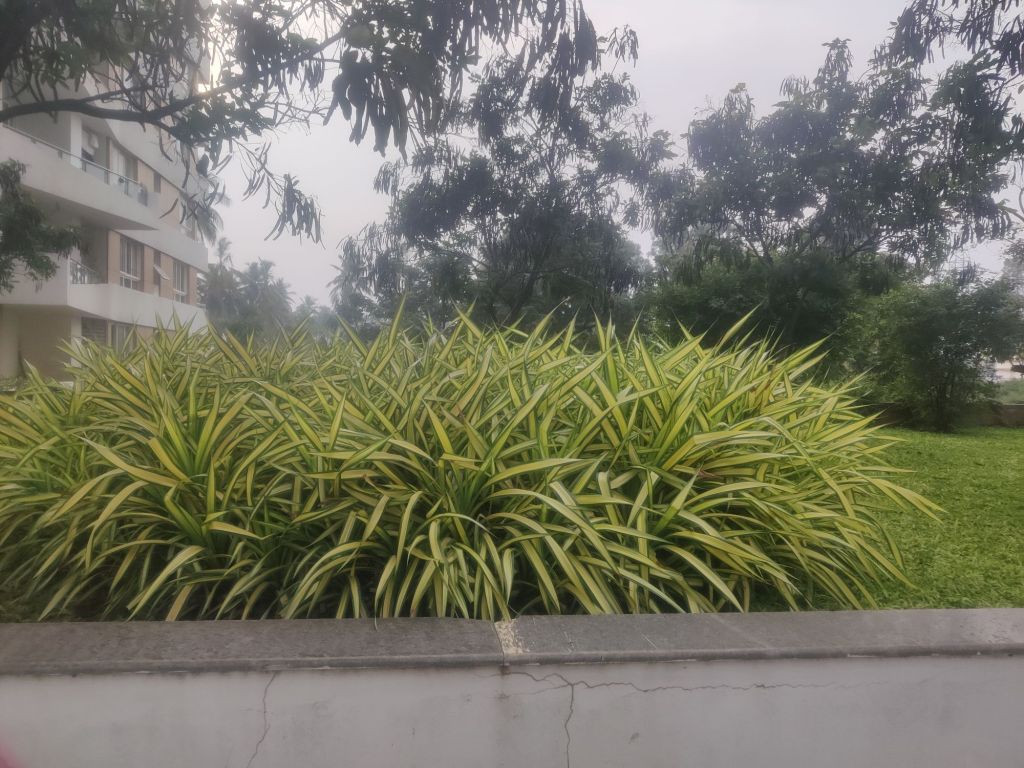
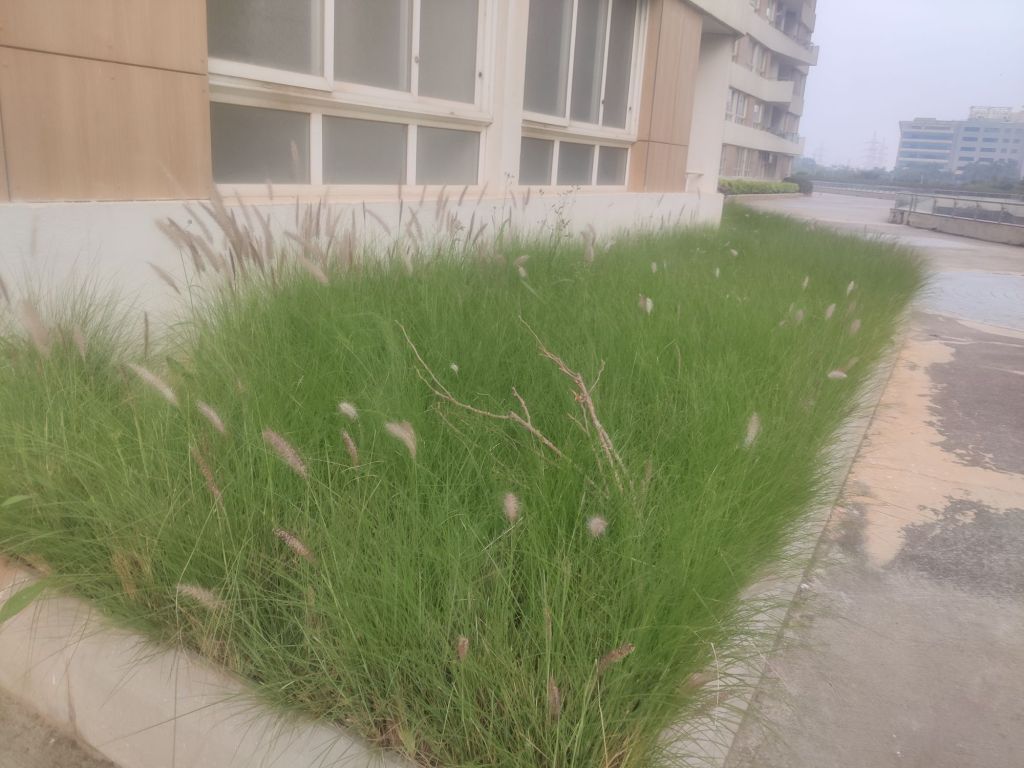
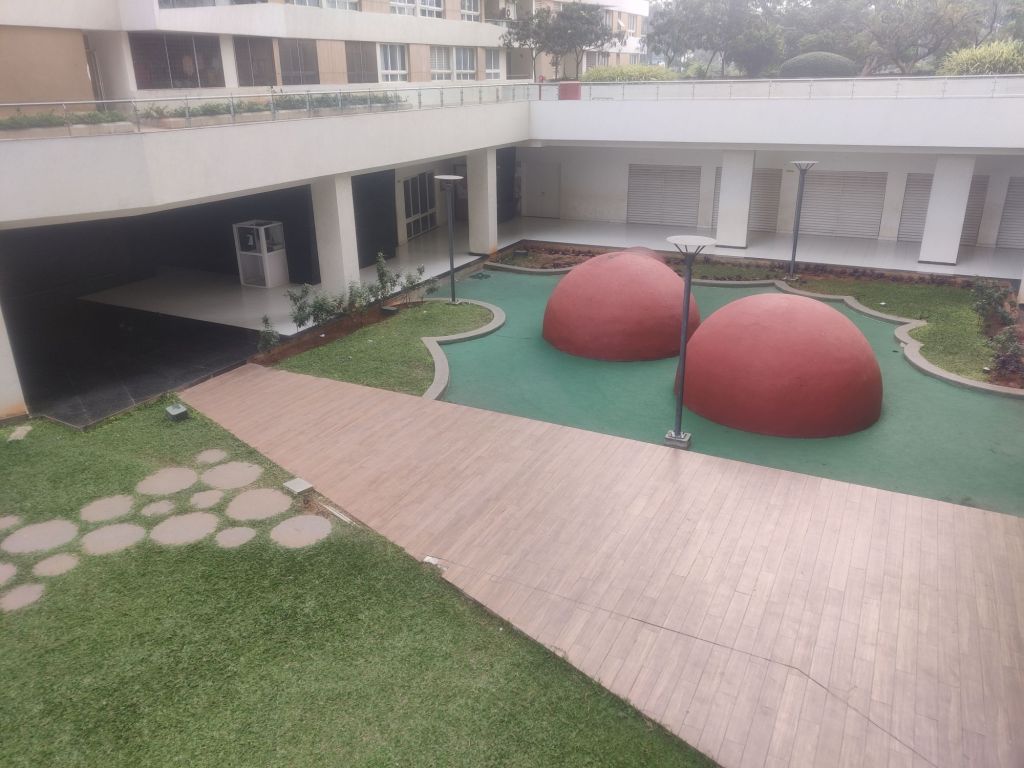
Courtesy Bangalore Visit