
Live-in relationship and dating culture, growing use of AI and ever extending screen time are giving rise to certain trends in social, technological and medical arena, respectively, which are worthy of cognizance, if not alarm. These are:
Hobosexual Relationship
The hobosexuals use charm and fake love, especially with persons who are caring or nurturing by nature, to get a place to live, food to eat, secure daily comforts and money to spend. They often show little interest in helping with household chores, taking up responsibilities or financially contributing to rent and bills and throw tantrums if they are pressured to do so. They may even move out of the relationship as soon as they find an alternate/better living situation/another person to support them.
Shrekking
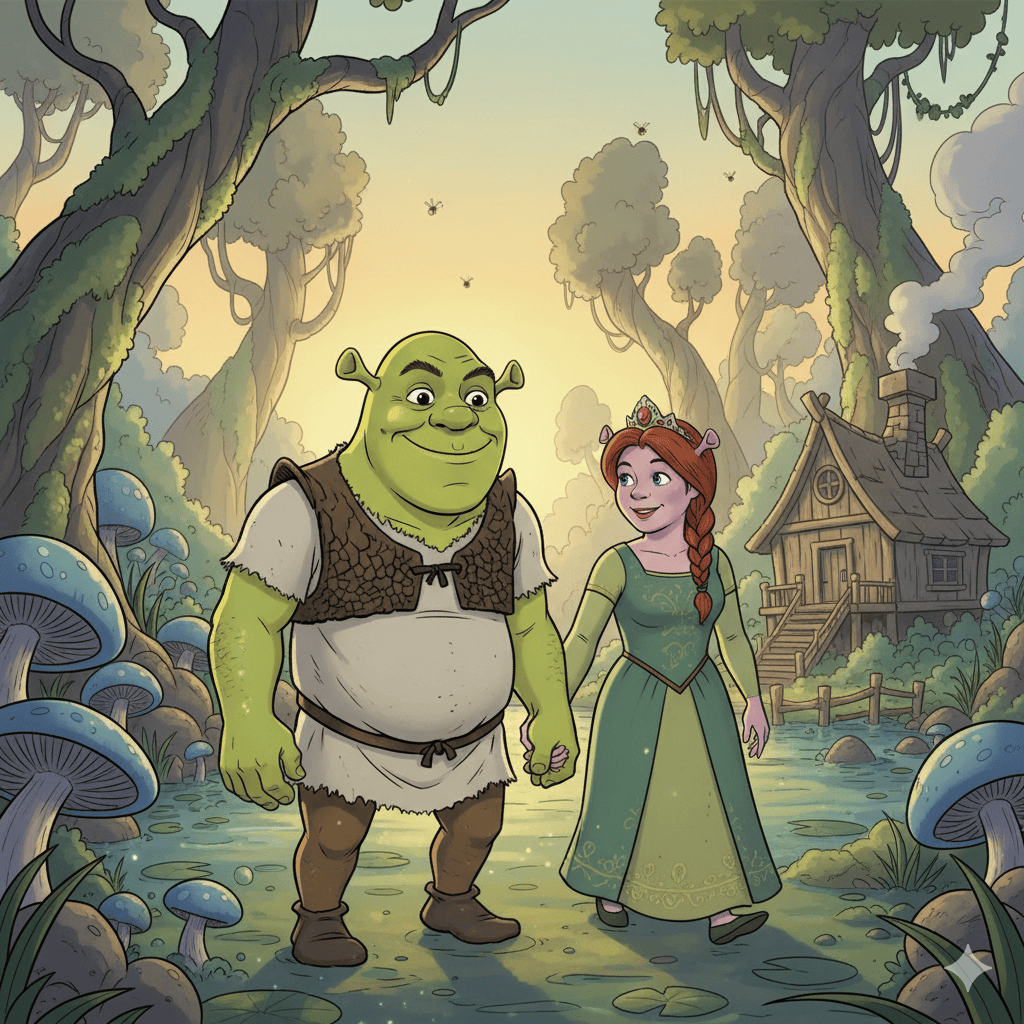
Based on the Shrek franchise movies wherein the beautiful princess Fiona falls in love with an ogre called Shrek, underscoring the theme of love over appearance, “Shrekking” refers to dating down a person who is less attractive or “below standards” in the hope that the less attractive “Shrek” will be more grateful, loyal, and devoted, giving the “shrekker” an upper hand and more control in the relationship with less risk of getting hurt.
However, there are high possibilities of disappointment and emotional harm if the “arrangement” falls short of expectations. Shrekking is viewed as toxic because it objectifies individuals and devalues genuine connection.
Vibe Hacking
Vibe hacking” is the malicious use of generative AI to create and execute highly persuasive and effective cybercrimes and social engineering attacks by leveraging AI’s ability to create/manipulate content based on the attacker’s simple, conversational prompt or the “vibe”. For example generating highly realistic phishing emails, fake websites, believable romance scams or personalized extortion e-mails by exploiting the tone, sub-text and emotion of the user. The attacker uses AI to continuously regenerate code variants and commands to evade signature-based security defenses that look for known malicious code.
Digital Heart Disease
Extended hours of scrolling, swapping, streaming, constant notification stress, ordering food online, sitting haunched over laptops for long hours, binge watching till midnight constitute today’s faulty lifestyle giving rise to obesity, high blood pressure, disturbed sleep and chronic stress. As a result, healthy and young people are collapsing in the gyms, offices and even social gatherings. This is known as digital lifestyle syndrome.
Today’s youth joins the workforce early, works for longer hours and deals with many stress points. Added to this the fast food culture, rising air pollution and obsession with fitness shortcuts like steroids, supplements and energy drinks are perfect triggers for early heart disease even if the patient had normal cholesterol levels in the last check-up.
Tracking screen time , practising digital detox, limiting phone use and creating no phone zones especially during meals can significantly reduce stress along with regularly monitoring blood pressure, walking 10,000 steps a day, avoiding long hours of sitting , taking short breaks in between to have quick stretches, climbing a few stairs and taking two minute walk, sleeping for seven hours, controlling anxiety and practising mindfulness protect the heart more than marathon workouts on weekends.
Footnote : Digital Heart Disease is more in context of Indian techies and professionals but I guess it is more or less applicable to all who spend considerable time on smartphones, television and laptops.
(Information courtesy Hindustan Times/Internet)





I didn’t know about these trends Geeta. But I’m sure they are also prevalent in our society too. Though living in without marriage is not common here people do get married for the same reasons that you have listed and leave the relationship if their expectations aren’t met. Thanks for sharing
LikeLiked by 1 person
I do not know the percentage of prevalence of these trends in our society except the digital health issue which is sourced from an article by a cardiac specialist of a super speciality hospital. Thank you Sadje for reading and commenting.
LikeLiked by 1 person
You’re welcome. I have heard of increased incidents of heart disease in younger generations and also gastrointestinal problems. Bad food choices and sedentary lifestyle are responsible for this.
LikeLiked by 1 person
Gastrointestinal disease is also related to anxiety and stress both outcomes of today’s faulty lifestyle.
LikeLiked by 1 person
Yup! I’ve seen my younger brother suffering from it and my son. But my son has changed his dietary habits and is eating healthy and swimming too.
LikeLiked by 1 person
That’s good ! It’s very important to develop healthy habits.
LikeLiked by 1 person
It is, especially the corporate culture that encourages late sitting and eating out every day
LikeLiked by 1 person
Yes true. However, if you see, for entertainment, study, news, reading etc. a lot of screen time is being used.
LikeLiked by 1 person
Yes that’s true too.
LikeLiked by 1 person
Reverse time travel might be preferable
LikeLiked by 1 person
Yes. Thank you very much Derrrick l.
LikeLiked by 1 person
That’s an insightful and stimulating article. You’ve effectively highlighted how relationship dynamics, the misuse of AI, and digital lifestyle decisions are influencing society in nuanced but risky ways. Terms such as hobosexual, shrekking, vibe hacking, and digital heart disease strongly emphasise your message. I particularly appreciated how you combined raising awareness with practical advice for healthier living—making it both captivating and helpful.
LikeLiked by 2 people
The trends, as we may call them, are aberrations leading to social, emotional and physical health issues which require to be remedied by conscious effort and awareness. Thank you very much for being on the same page with me.
LikeLiked by 1 person
what’s the most harmful trend you think is affecting our lifestyle today? 🤔
LikeLike