What aspects of your cultural heritage are you most proud of or interested in?
Disclaimer : This post is long
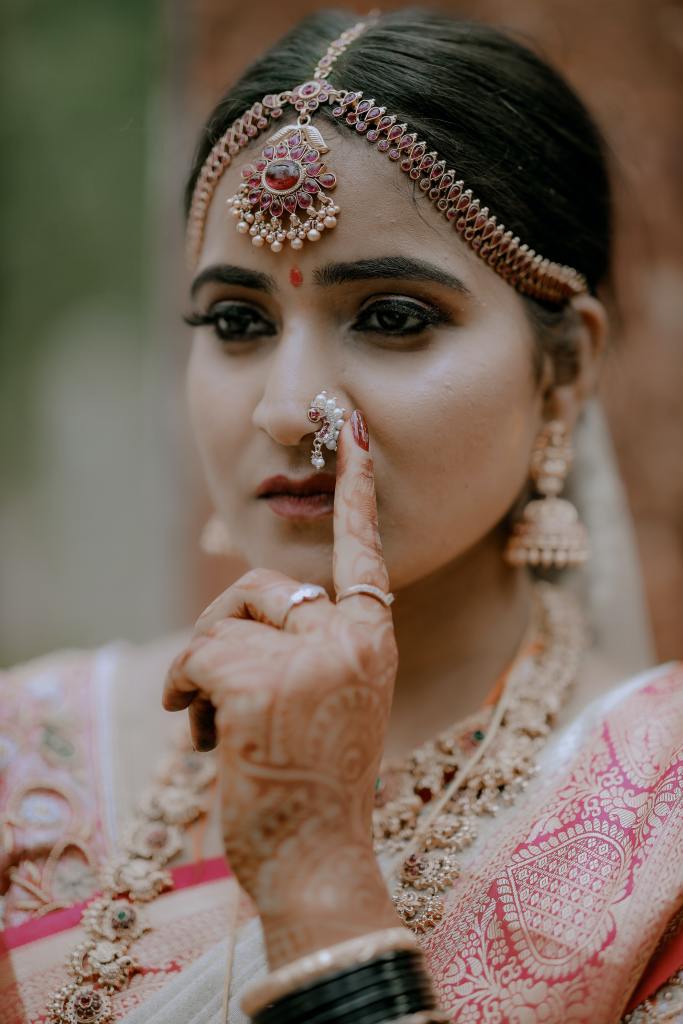
Our culture is multiracial, multilingual and multiregional. We have the second highest number of languages (780) after Papua Guinea (840). We have 28 States and 8 Union Territories. Every region has its own language, ethnicity and culture.
With continuous migration and intermingling we tend to adopt many tenets which may not particularly belong to our own State, language or culture.
Being interested in languages, I have an ear for picking up dialects and words of other regions. Since, there are many Government Organisations, like ours, which have a policy of inter-regional transfers, it proves easy to mix and work with localities if you are conversant with the local language and culture.
I am very proud that I know three languages fluently – Hindi, English and my own mother tongue, Bangla . In Bengal, where I hail from, there are again various dialects. I know at least two. I understand Punjabi which is spoken in the urbanscapes. The rural dialects may be difficult.
I love the richness of Urdu language. Since I watch a lot of Pakistani Serials it brushes up my Urdu vocab as well. In school we had to learn Sanskrit, mother of all languages. Since our religious scriptures are in Sanskrit, it’s good to have a command over this language. But my knowledge is limited to the basics only.
Even Hindi, which is one of our official languages and kind of common lingua franca, is spoken differently in different parts of the country. It’s really challenging to know all the variants. This is just to give a glimpse of the vastness of our lingual culture. In Metros we speak a khichdi lingo, meaning a combo of many languages, a result of the cosmopolitan surrounding.
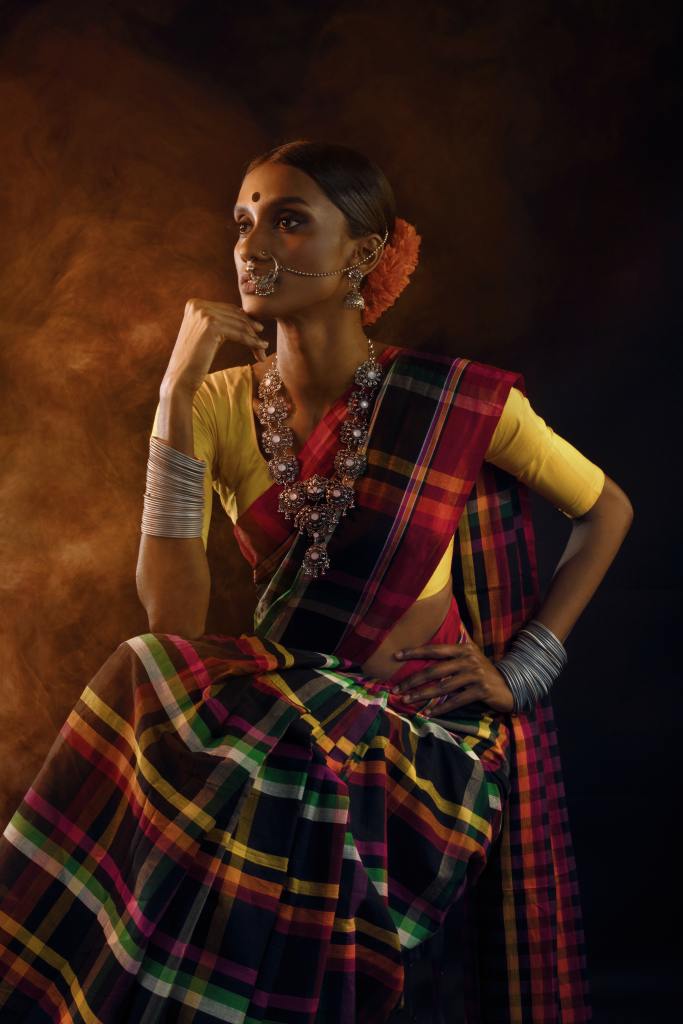
As is with language, so is with attire. For Indian women, saree is the traditional dress in most parts of the country. In Northern India, Salwar/Churidar Kameez is the traditional dress. Nowadays, fusion dresses are also in fashion. Sarees are worn in different ways in different parts of the country. In some rustic parts variants of Ghaghra Choli is the traditional attire. For men, it’s Dhoti Kurta or Churidar/Pajama Kurta is the traditional dress. Bandhgala is also very popular in ceremonial functions. India is rich in fashion. We borrow styles from our neighbours as well. In urban areas functional clothing is more in trend now but we also give due importance to our ethnic wears especially in official and personal gatherings.
India is a land of festivals – be it religious or social. Every part of the sub continent has its own main Festival which they celebrate with great pomp and show. However, even if it belongs to a particular State or race, there is no bar for others to take part in it. So, we celebrate Diwali, the Festival of Lights, Holi, the Festival of Colours, Durga Puja, the Festival of Bengal as well as Christmas or Eid with equal fervour.
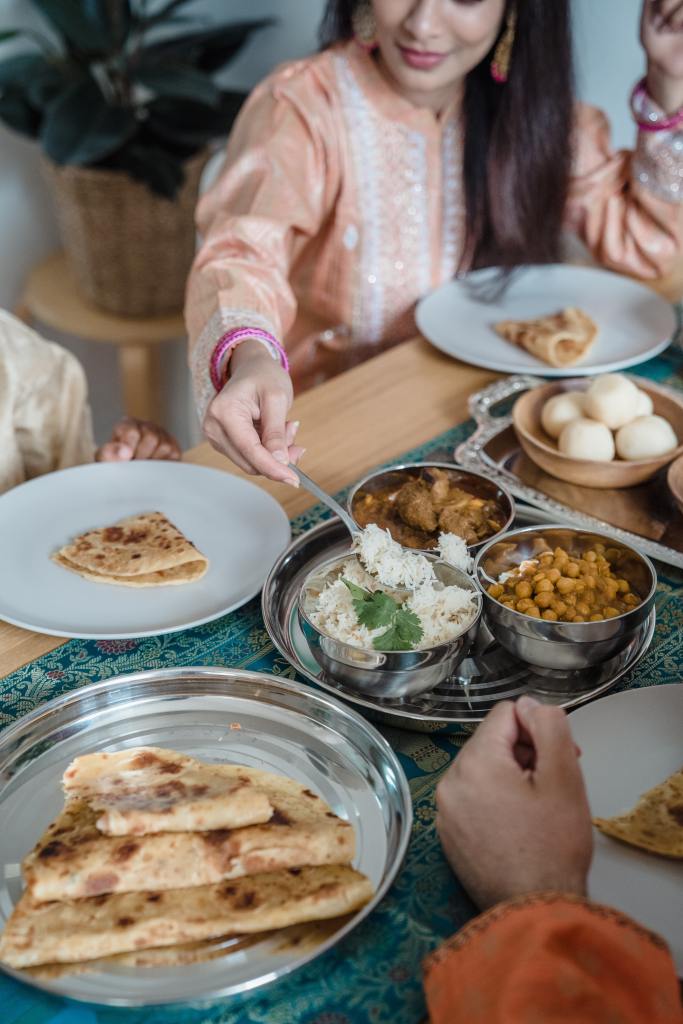
The culinary range of India is just awesome. The delicacies of every State are their respective Specialities. We often learn from each other how to prepare the food of other States. While I learnt many of North Indian dishes like Chhole Bhature, Gatte Ki Sabzi, Chicken Butter Masala from my Punjabi and Rajasthani colleagues and friends, many have relished Bengali cuisine (East Indian) in our house. It’s a great show of culinary abilities if we are able to prepare dishes of other States and our own, especially, those which really require time and artistry.
Music, dance, arts and crafts of India are famous all over the world. Here are some of the glimpses.
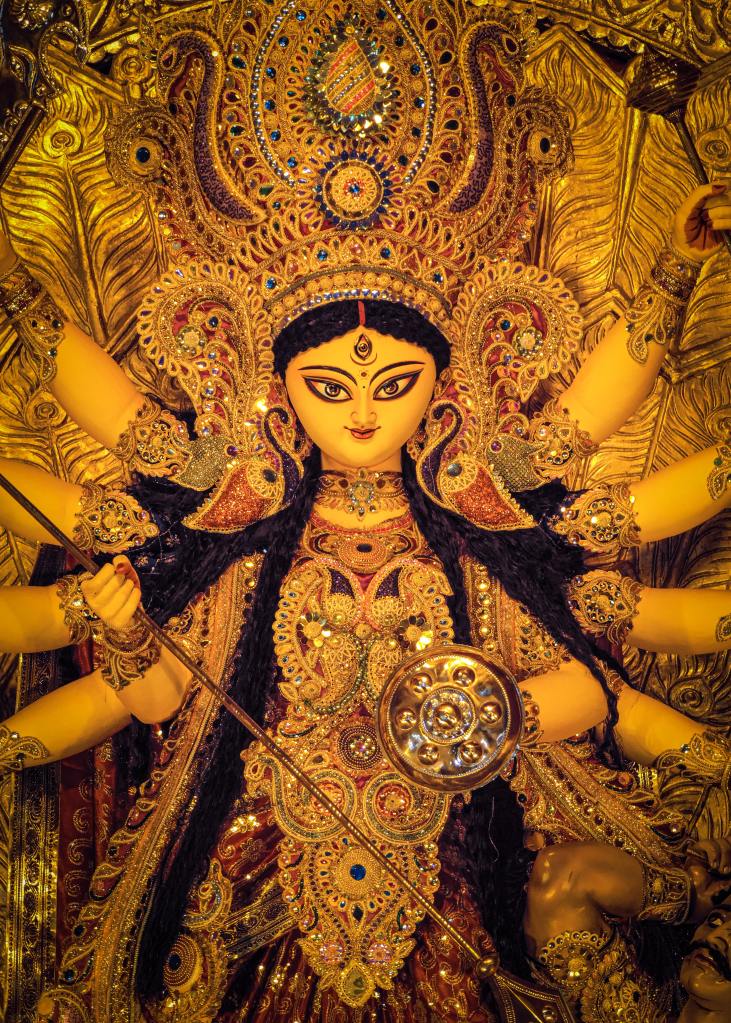
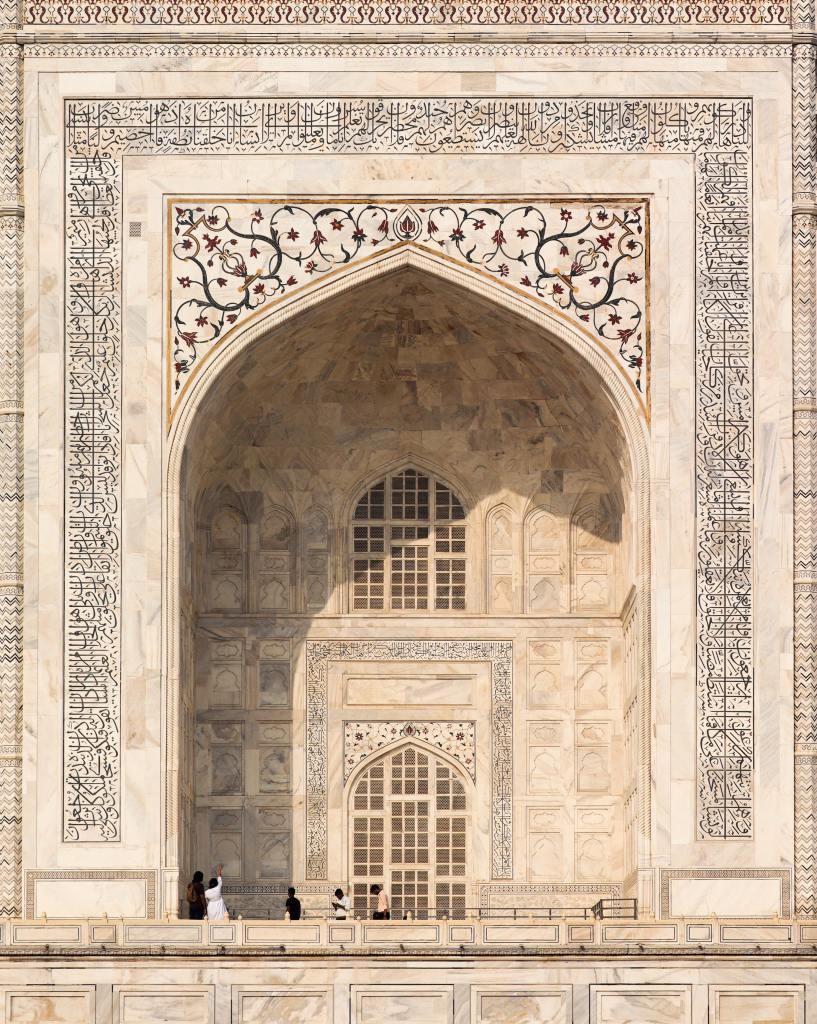
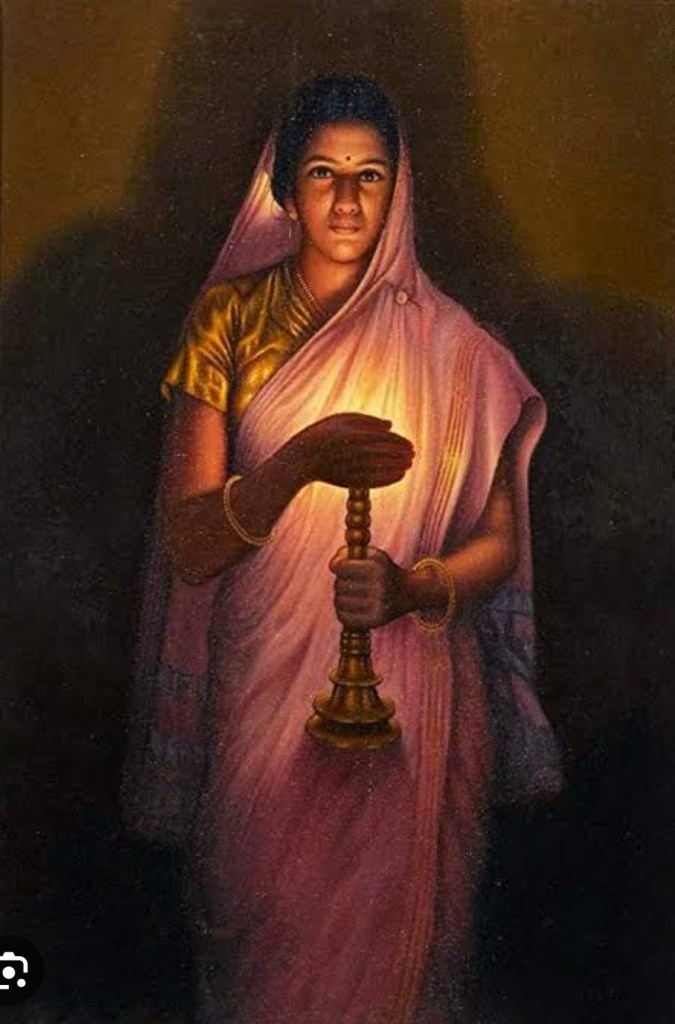
Culture has an enormous gamut. But the most significant element of culture is the value system. Though with globalisation, the dilution in ethnicity is felt, yet there are some tenets which are still held dear. For example, we never call our elders by name in order to show respect. They are always aunts and uncles. My friend’s grandad/grandma will also be addressed as I would my own grandad/grandma. I will address my colleagues’ paternal aunt and uncle as I will call mine. And yes! We have different nomenclatures for relations on maternal and paternal sides and we address them accordingly.
We always do namaste when we greet people or each other. We touch the feet of our elders to take their blessings during festivals as well as other ceremonial occasions like weddings etc. The joining of hands in a namaste mudra or touching the elder’s feet mean bowing to the other’s positivity and virtues. In joint families or large extended families, a reverential distance is still maintained and conversations on lot of issues are strictly no-no in front of elders.
Even a girl child will talk about girl issues to her mother and not to her father. Though it may sound very conservative, but often sons won’t smoke or drink in front of their father/mother or elders of the family even neighbourhood.
Of course, times are changing. Extreme of anything is not good Values also change to suit the needs of changing times. Though it may take time for reforms to settle in nothing stays forever. Once upon a time child marriage was rampant. Widow remarriage was banned. Sati Pratha or wife burning on the pyre of the husband was upheld. But these are now obsolete and rightly so.
But we still give a lot of value to endurance, compromise and sticking together in marriages though divorces are also rising. Education is denied to many which I feel should be made compulsory for all. Financial independence for women is also necessary. The discrimination between girls and boys should stop.
Culture is a very vast arena. I am proud of my culture and roots but at the same time I am also aware of the changes which are imperative. However, change does not imply blindly following other cultures but imbibing what is good therein. That is how we can grow as a nation. Having said that I am a very proud and patriotic Indian and take immense pride in my culture and ethnicity.
.
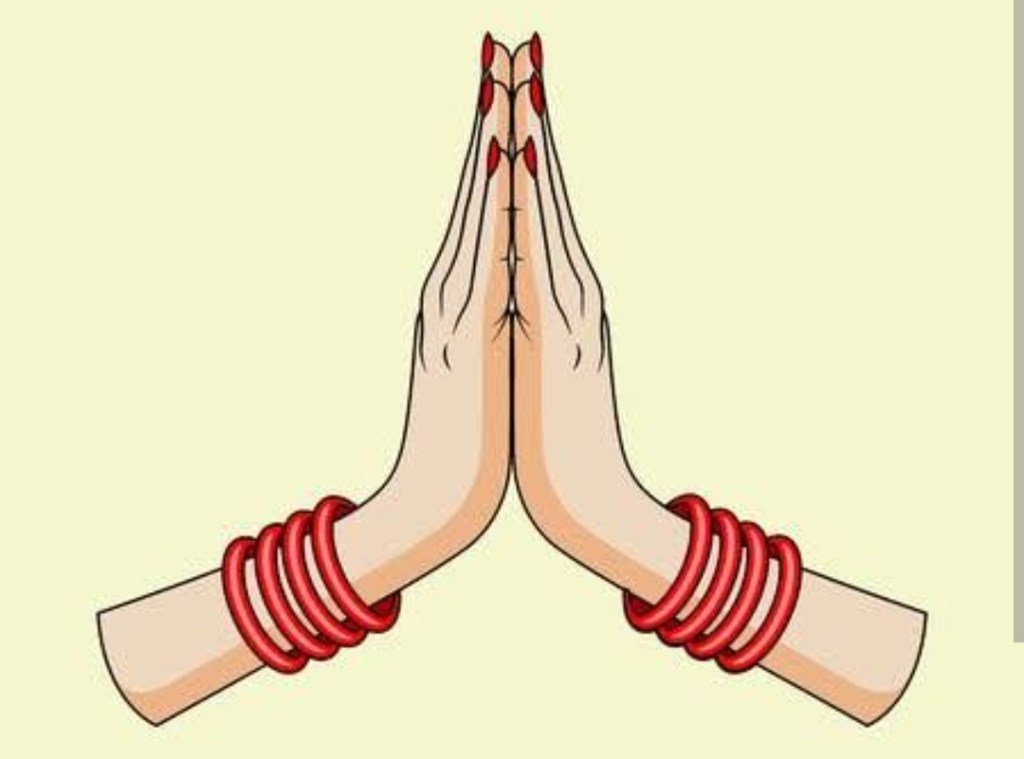





We love & and respect our culture
LikeLiked by 1 person
Yes we do
LikeLike
So much to be proud of Geeta. Your illustrations also show the striking nature of colour in every aspect.
LikeLiked by 2 people
Thank you Derrick so much
LikeLiked by 2 people
🙏
LikeLiked by 2 people
India is a rich culture and we are proud of it. 👌well shared 👍
LikeLiked by 2 people
Thank you
LikeLiked by 2 people
🙏
LikeLiked by 1 person
Rich, varied, multi-faceted – these are words that come to mind when I think of India because I’m blessed to know a few people from your country, although I have not yet been privileged to travel there. Now I understand more of the meaning of touching the feet of elders…Also like the way you mention giving a lot of “value to endurance.” May the traditions that keep families strong and youth rooted in health and security continue, and may we from “monocultural” places learn tolerance from our friends from more diverse countries. Thank you for a well-written piece.
LikeLiked by 1 person
Thank you for reading and posting an appreciative comment.
LikeLiked by 1 person
We love the culture, so I have written some article on it☺, your post is awesome 💙💙
LikeLiked by 1 person
India, known for its rich and diverse culture, has a long history of traditional clothing that reflects the country’s deep-rooted heritage. These traditional dresses are not merely pieces of fabric but storied legacies that have evolved over centuries. They have been influenced by the various civilizations that have made their mark on this vast subcontinent. From the sweltering heat of Rajasthan’s deserts to the icy cold of Ladakh’s Himalayas, each region of India has fashioned its own attire based on the climatic conditions and the availability of fabrics.
LikeLiked by 1 person
Absolutely true. India is a country with varied outfits. I agree.
LikeLiked by 1 person
In the intricate mosaic of India’s linguistic diversity, local dialects play a pivotal role in preserving the cultural tapestry of the nation. These lesser-known languages, such as Manipuri, Sikkimese, Kashmiri, and Haryanvi, are not merely tools of communication but living embodiments of the regions they represent. By safeguarding these dialects, India continues to cherish its cultural roots, ensuring that the voices of its diverse communities remain vibrant and heard amidst the rapid winds of change.
LikeLiked by 1 person
The linguistic diversity of India, represented by various language families such as Dravidian, Tibeto-Burman, and Indo-Aryan, along with the significant influence of English, underscores the cultural richness and complexity of the Indian subcontinent. These languages not only reflect the historical and cultural evolution of the region but also serve as a testament to the unity in diversity that defines the essence of Indian society. The coexistence of these language families fosters a deep sense of multiculturalism and inclusivity, highlighting the vibrant tapestry of languages that contributes to the unique identity of India.
LikeLiked by 1 person
The Northern region of India is an ethnic and linguistic mosaic, characterized by its rich cultural heritage and linguistic diversity. Among the array of languages spoken in this region, the Dardic languages of Kashmir hold a significant place, along with the Kashmiri language, Khariboli language of Uttar Pradesh and Uttarakhand, and the Ladakhi language. Understanding the nuances and origins of these languages provides valuable insights into the cultural tapestry and historical developments of this region. https://indianetzone.wpcomstaging.com/2023/10/25/indigenous-languages-of-eastern-india/
LikeLike
Indian Language Families offer a glimpse into the multifaceted nature of linguistic diversity in India. From the Dravidian languages of the south to the Tibeto-Burman languages of the northeast, each language family encapsulates centuries of cultural evolution and historical continuity. By recognizing and celebrating this linguistic richness, India can truly embrace its cultural heritage and promote inclusive development across linguistic lines.
https://www.indianetzone.com/39/indian_language_families.htm
LikeLiked by 1 person
Geetashree ji, this is a love letter to multiplicity itself. What struck me most was your honesty about evolution, naming the obsolete practices without flinching (child marriage, sati, widow remarriage bans) while defending the core values they once tried to protect. That’s not losing culture; that’s maturing it. And your point about ‘change does not imply blindly following other cultures’ this is the real patriotism. Not rigid nostalgia but thoughtful evolution. The fact that you can admire a Pandit, a saree draped seven different ways, a festival celebrated by multiple faiths, AND advocate for girls’ education that’s the India worth staying rooted in. Beautifully rendered.
LikeLiked by 1 person
Thank you so much Khadija. Kindly
LikeLiked by 1 person