
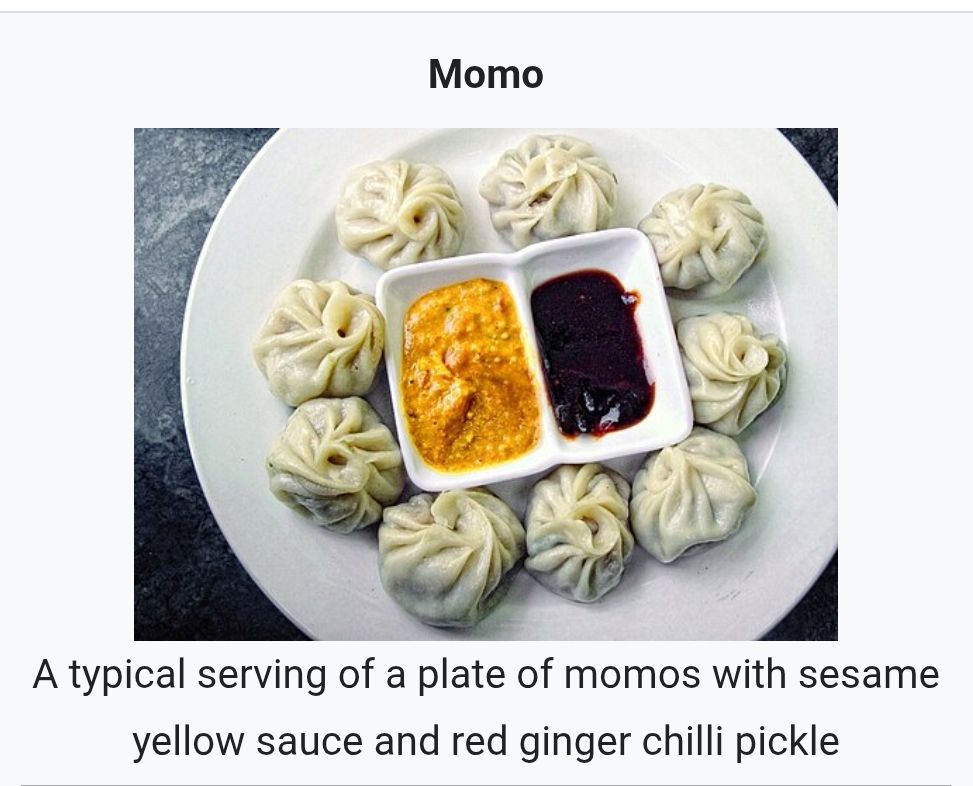
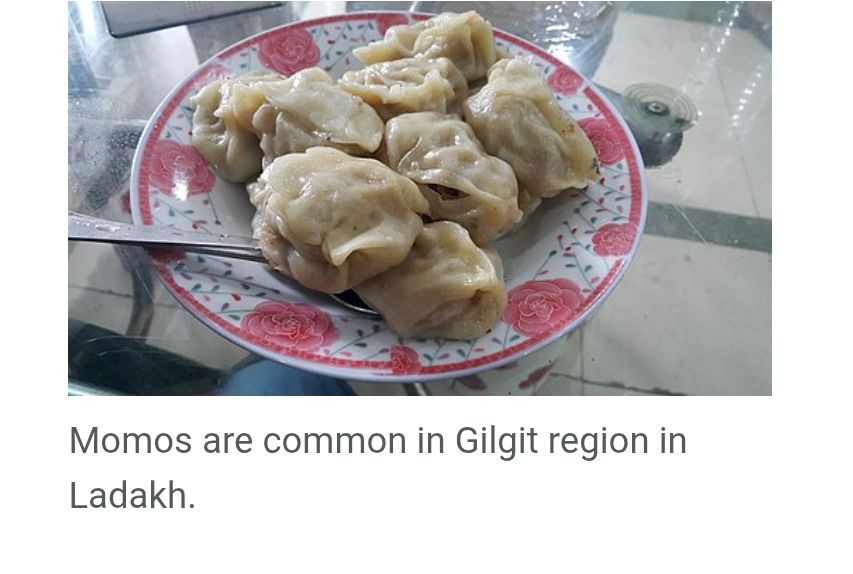
Momo is a type of steamed dumpling with fillings – part of Tibetan and Nepali cuisine. It is also popular in the neighbouring countries of Bhutan, Bangladesh and India. Tibetan momos are generally half moon shaped whereas Nepali momos are round. Momos are served with a chutney or sauce which is called achaar flavoured with spices and herbs used in many South Asian cuisines. Momos are also used in soups.
Momo is a Tibetan word, probably borrowed from Chinese, used for steamed wheat buns and breads. Legend has it that the 7th Century Nepali Princess, Bhrikuti, introduced Buddhism along with momos in Tibet. However, despite the legend, it is generally believed that momos travelled from China to Tibet to Nepal where it is dated back to almost the 14th Century.
The Tibetan Uprising of 1959 saw a large number of Tibetan emigrating to India bringing momos along with them. The Civil War in Nepal saw Nepalis coming to India in search of livelihood. They popularised the ‘Himalayan’ style momos in the Southern half of India – Bangalore and Chennai.
The typical Tibetan momos have a filling of meat (yak) or potato and cheese. To cater to the large population of vegetarians in India momos with mixed vegetables and paneer stuffings were introduced. For non vegetarian Indians the meat filling got substituted by minced chicken.
The fillings are stuffed into a thin layer of casing of flour and steamed. It’s soft, non spicy and has no oil. The chutney or sauce served with it is hot and spicy. Momos have become a very popular part of Indian Street food. Vendors selling momos have mushroomed in every big and small market of the Capital. Momos are a big youth favourite snack. Many innovative variants of momos are also served in local and posh restaurants like fried momos, tandoori momos, achaari momos, afghani momos, wheat momos etc.
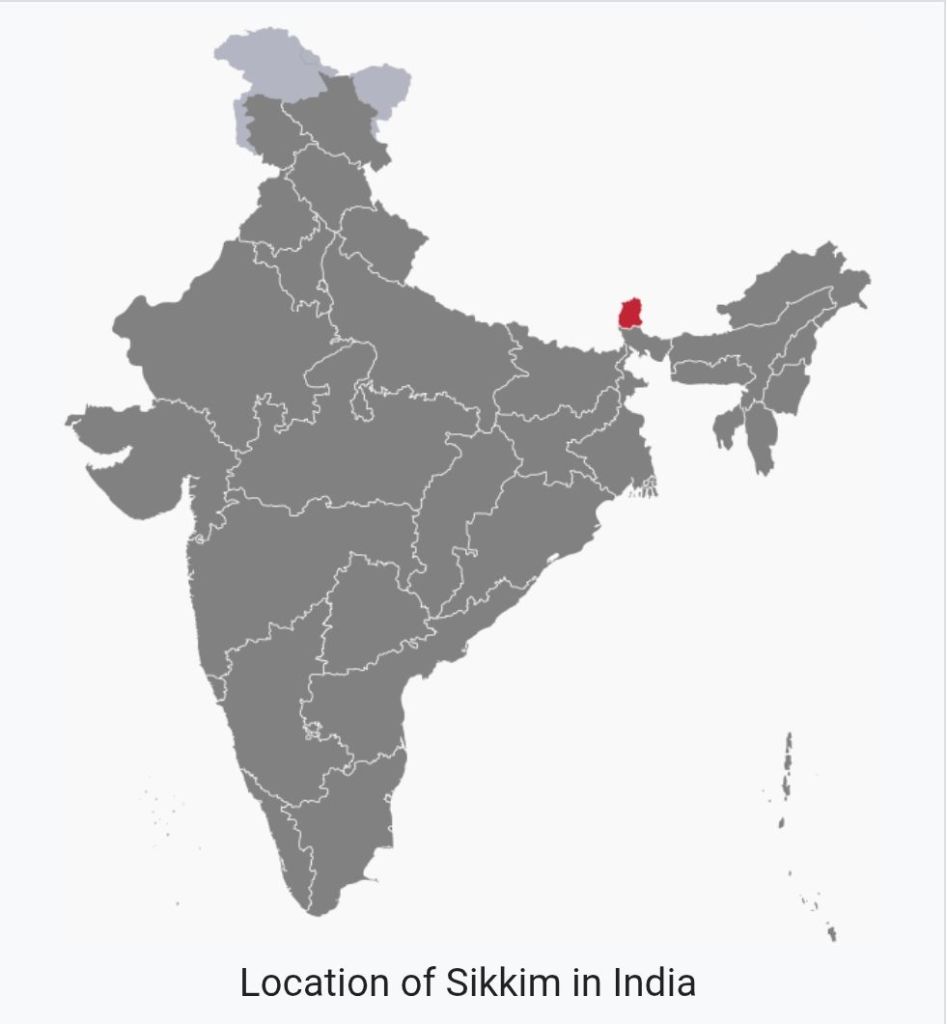
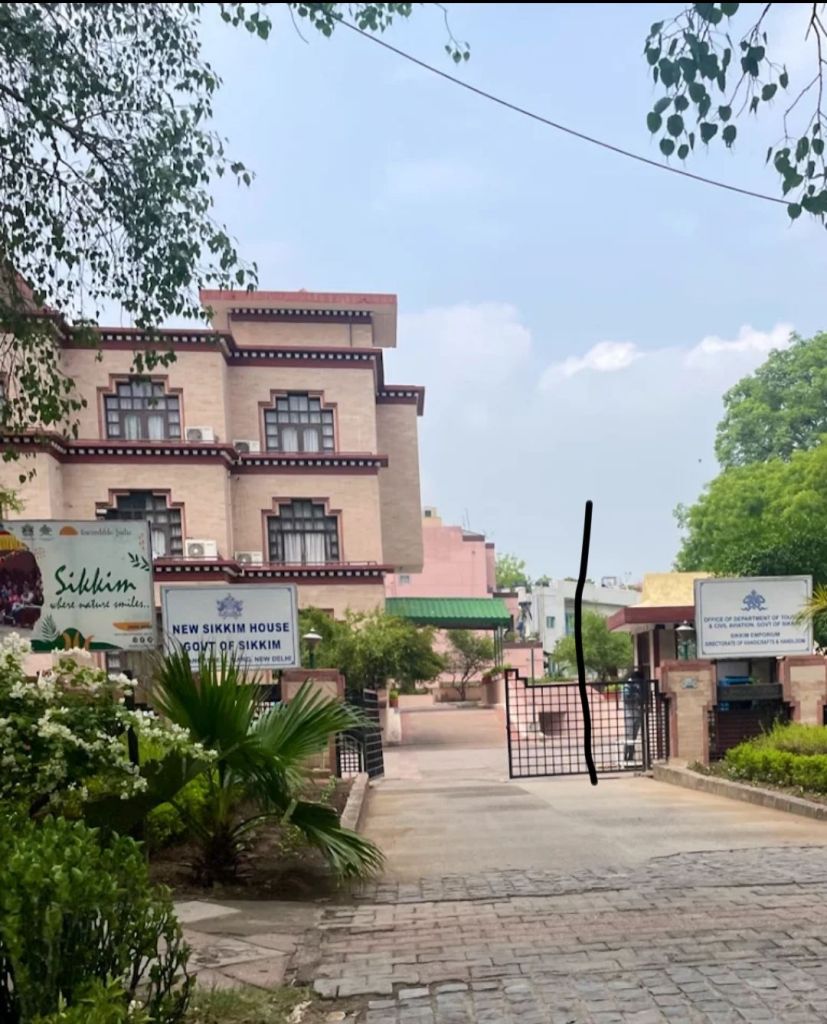
Sikkim House in Delhi is the official State Guest House of Sikkim representing its authentic cuisine, culture, arts, handicrafts and administration. Sikkim , nicknamed as Valley of Rice, is a North-eastern State of India known for its biodiversity, scenic beauty, alpine and subtropical climate. It is the least populated State and also host to Kanchenjunga, the highest peak in India and the third highest on Earth. Sikkim shares its border with parts of Tibet, Nepal, Bhutan and West Bengal. Its capital is the beautiful city of Gangtok which is a high attraction point of tourist visits in India.
The restaurant housed in Sikkim House serves chicken and veg momos with authentic Tibetan and Sikkimese flavours.
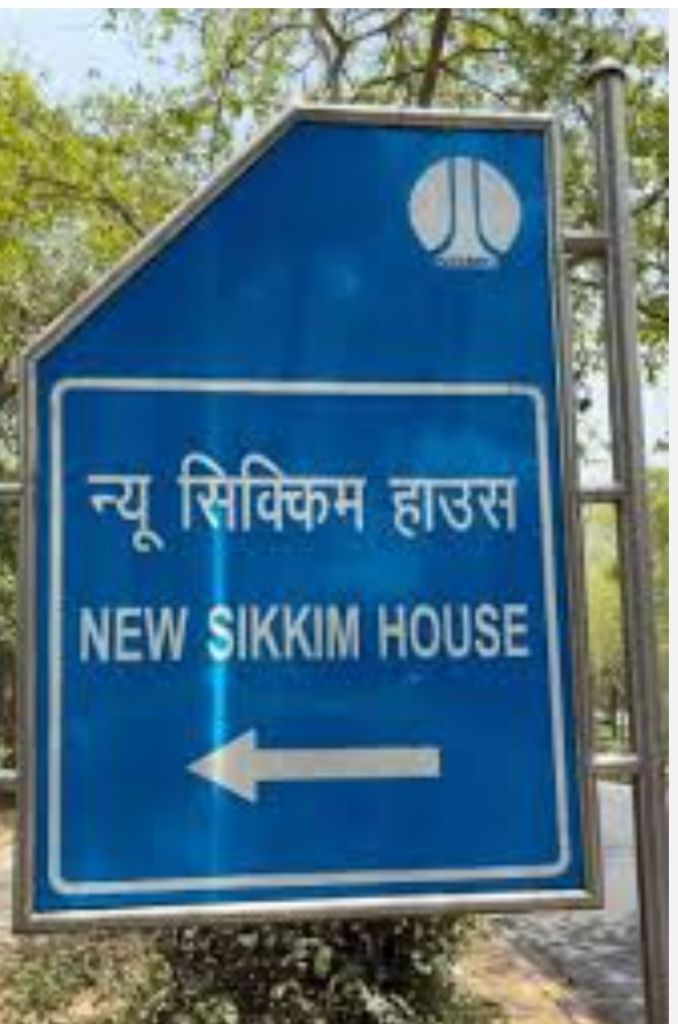
Soon after my retirement, me and my sister, in one of our adventure sprees, visited this restaurant to have a bite of the momos. The freshly made Chicken momos were really good with subtle flavours. I did not like the vegetable momos that much. The serving time is long as they prepare the momos on receipt of the order and serve hot and smoky.
The restaurant was spacious but a little stuffy as the doors opening on the back space were shut. I did take a lot of pictures but somehow they have been deleted from my mobile. As far as I remember , the decor was a mix of red and green and yellow with decorative motifs and photographs.
Momos can be made at home also. For the culinary queens it’s a test of how soft their dough can be so as to churn out melt-in-mouth momos which is the real yardstick of authenticity and perfection.
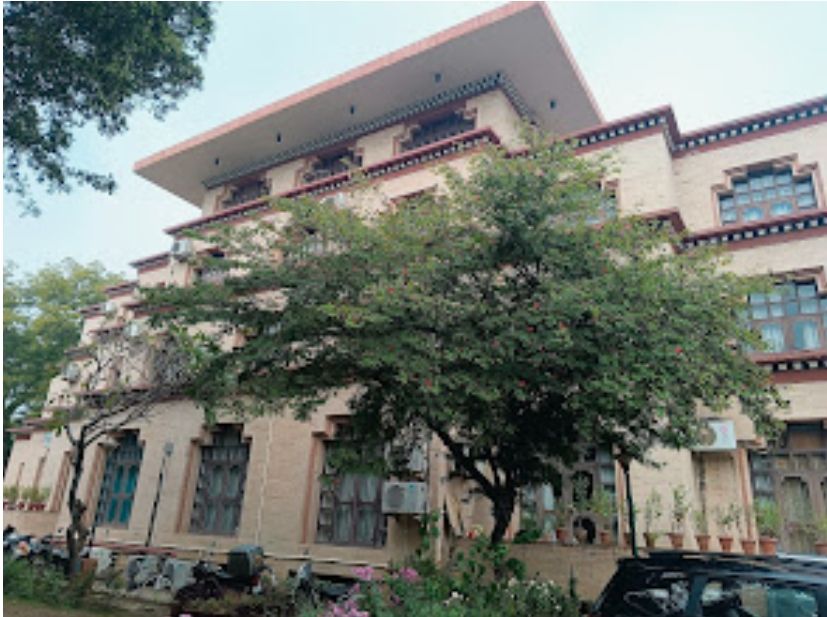
Foodies can venture into this joint if into momos. I guess evening time will be more interesting.
Check it out.
Source and Pics : Wiki and Google





Thank you, Geeta, for the excellent essay on momos. Please note that very similar creations exist in European countries, but are called differently.
Joanna
LikeLiked by 2 people
I am sure it does. Thank you Joanna for your encouraging comment.
LikeLike
Thank you, Geeta, and you are more than welcome!
Joanna
LikeLiked by 1 person
I love momos 🙏 such a long time since I’ve had some tho. They’re not that easy to find in Sweden as in India 😉
LikeLiked by 2 people
Hullo Helena ! I too love momos and have not had them since long.
LikeLike
A really appetising looking meal with a fascinating history
LikeLiked by 1 person
Thank you Derrrick
LikeLiked by 1 person
Geeta, I enjoy learning about your culture, faith, and delicacies. The Momos look like a delicious bite.
LikeLiked by 1 person
Yes, it is Mary. Someday you must try it if you get a chance. I am sure you will like it.
LikeLiked by 1 person
First of all, You are Retired ! No way.
Secondly, yes love momos esp when they are in that wooden basket, lift lift off and a steam mist fills the air. They have a very distinctive pastry and taste. The best ive had is in Chandigarh, now please dont ask which restaurant except it was Chinese.
Love learning about cuisine.
LikeLiked by 2 people
I miss those plain momos. In Kerala where I live now, momos are rare, very rare. Andwhen you do find an outlet you get the Malayali version of it: too spicy and exotic.
LikeLiked by 3 people
Oh! Is there a Malayali version too? Didn’t know that 😕
LikeLike
Your post made me very nostalgic about my Delhi days! I used to enjoy visiting the different state bhavans with my friend to try out cuisine. Your piece is deliciously engaging like a momo 🙂
LikeLiked by 2 people
Even your comments make me very nostalgic. How we met and had a long chat at Triveni. It will always be one of my happiest memories.
LikeLike
That was a very informative piece on momos, Geetha. Liked it.
LikeLiked by 2 people
Thank you Shail.
LikeLike
Seems like a legit momo place. Momo culture is prevalent here in Kolkata as well and if I am not wrong, momo is definitely a go-to, no nonsense snack for many during the evenings and sometimes late nights.
LikeLiked by 1 person
Yes, momos have become quite a global gastronomical delight
LikeLiked by 1 person